
3 Applications of ELISA in in Modern Research
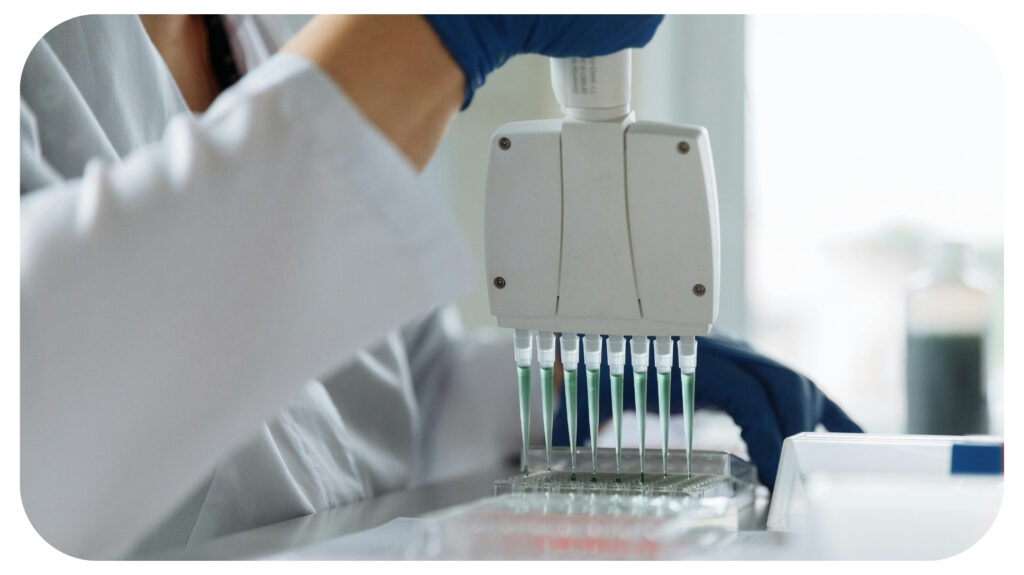
Photo from Pexels
Enzyme-Linked Immunosorbent Assay (ELISA) has become a cornerstone in contemporary research due to its versatile applications and reliability. As a tool in molecular biology, ELISA enables you to detect and quantify substances such as proteins, hormones, antibodies, and antigens.
This article delves into three pivotal applications of ELISA.
1. Immunogenicity Testing
Immunogenicity testing plays a crucial role in assessing the safety and efficacy of biopharmaceuticals. As you navigate the complexities of drug development, understanding the immune response to therapeutic proteins is essential. ELISA stands out as a reliable method for detecting anti-drug antibodies (ADAs), which can impact the effectiveness and safety of biologics. The sensitivity and specificity of ELISA tests make them a useful tool in immunogenicity assessments.
2. Vaccine Development
In vaccine development, the ability to evaluate immune responses accurately is paramount. ELISA provides you with a robust platform for measuring antigen-specific antibodies, enabling a deeper understanding of vaccine efficacy. By utilizing ELISA, you can assess the strength and duration of immune responses, offering valuable insights into vaccine-induced protection. This information is critical in guiding your vaccine formulation and optimization efforts, ensuring that the final product elicits a robust immune response.
3. Environmental Monitoring
In the realm of environmental monitoring, ELISA serves as a powerful tool for detecting and quantifying pollutants in various matrices, including water, soil, and air. By providing a rapid and cost-effective method for analyzing environmental samples, ELISA enables researchers to assess the presence and concentration of contaminants such as pesticides, heavy metals, and industrial chemicals. Moreover, ELISA is employed in the monitoring of industrial pollutants, such as polycyclic aromatic hydrocarbons (PAHs) and polychlorinated biphenyls (PCBs). As you consider the applications of ELISA in environmental monitoring, reflect on how this technology might enhance your ability to protect ecosystems and public health.
Conclusion
The applications of ELISA in modern research are vast and impactful. As you continue to explore the potential of ELISA, consider the ways in which this technique can impacts research outcomes and drives innovation in your field.

Recommended For You
Top 5 Health Concerns Worth a Gynecological Visit

Most Inside Editorial Team
MostInside is an independent publication focused on growth across lifestyle, business, finance, sports, and digital authority, prioritizing long term value and enduring credibility.