
5 Benefits Of Family Physicians Engaging In Continuous Learning
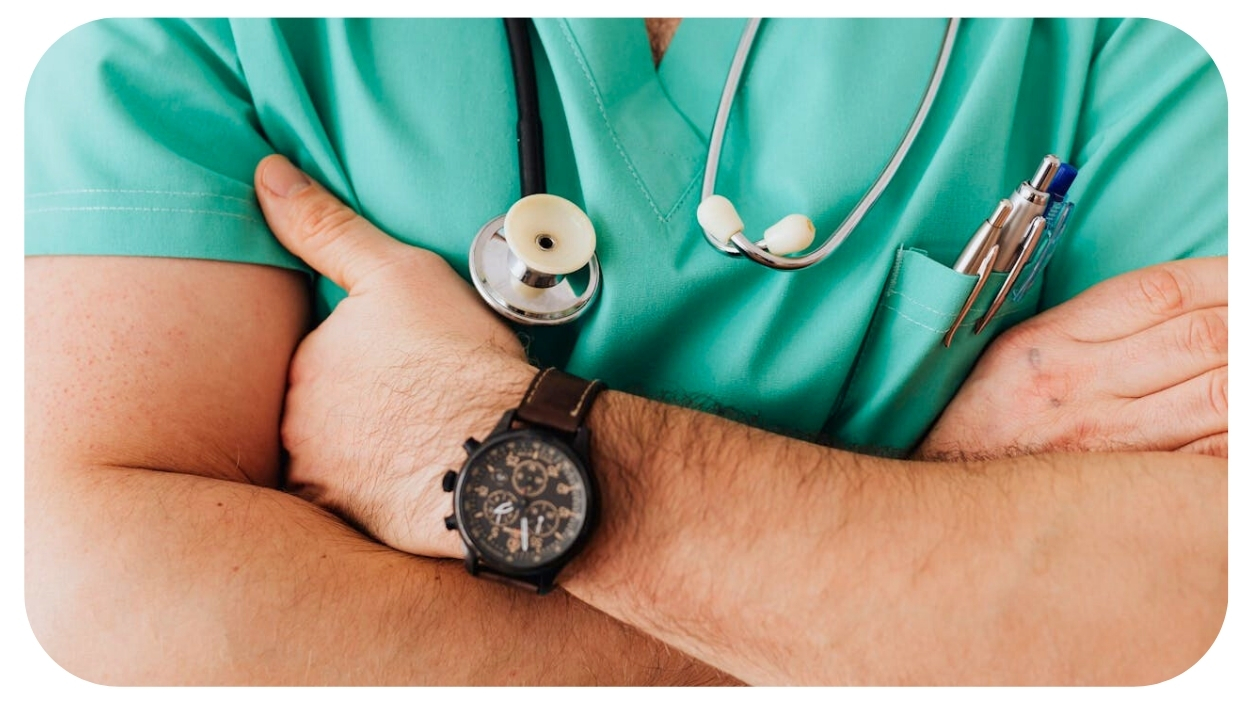
Family physicians practice at the front line of healthcare, where broad clinical scope meets evolving evidence. From pediatric wellness and women’s health to chronic disease management and geriatric care, the knowledge base shifts constantly. Continuous learning is not a luxury; it’s core to maintaining diagnostic accuracy, improving outcomes, and sustaining trust with patients and communities.
1. Elevated Diagnostic Accuracy Across the Lifespan
Ongoing education sharpens clinical reasoning. Exposure to newer guidelines, refined risk stratification tools, and emerging symptom clusters helps physicians recognize atypical presentations and rare conditions earlier. Case-based learning, journal clubs, and CME activities deepen pattern recognition and reduce anchoring bias. The result is fewer diagnostic delays, more precise use of labs and imaging, and safer, faster triage—particularly in complex multimorbidity where subtle signs carry outsized weight.
2. Better Chronic Disease Outcomes Through Updated Protocols
Hypertension, diabetes, COPD, asthma, depression, and heart failure benefit from regularly updated care standards. When family physicians stay current with medication advances, device options (e.g., continuous glucose monitoring), and lifestyle interventions, they tailor regimens to patient needs while minimizing side effects. Continued learning supports deprescribing where appropriate, promotes shared decision-making, and aligns care with the latest outcome data, leading to fewer hospitalizations and improved quality-of-life metrics.
3. Stronger Preventive Care and Screening Performance
Preventive care is dynamic—screening intervals, eligibility thresholds, and risk calculators change as evidence accumulates. Physicians who continually update on vaccines, cancer screening, cardiovascular risk assessment, and behavioral health prevention can personalize recommendations with confidence. This reduces overtesting, increases appropriate uptake, and ensures equitable access to prevention across socioeconomic and cultural contexts.
4. Enhanced Care Coordination and Health Equity
As care networks expand, staying abreast of local resources, digital tools, community programs, and multidisciplinary pathways allows family physicians to coordinate more effectively. Continuous learning in general medicine that includes social determinants of health, trauma-informed care, and culturally responsive communication improves adherence, fosters trust, and closes gaps in access. Patients receive care that respects context—housing, food security, transportation, and caregiver support—which can profoundly influence clinical outcomes.
5. Professional Resilience and Reduced Burnout
Learning can renew purpose. When physicians invest in skill development—motivational interviewing, brief behavioral interventions, point-of-care ultrasound, digital health literacy—they expand their toolkit for challenging encounters. Mastery and autonomy increase, while uncertainty and frustration decline. A culture of curiosity and peer exchange strengthens teams, promoting psychological safety and sustainable practice.
Conclusion
Continuous learning equips family physicians to deliver safer, smarter, and more equitable care. By elevating diagnostic precision, optimizing chronic disease management, advancing prevention, strengthening coordination, and sustaining professional resilience, lifelong education becomes inseparable from excellence in primary care.

Recommended For You
What You Need to Know About Camila Side Effects

Most Inside Editorial Team
MostInside is an independent publication focused on growth across lifestyle, business, finance, sports, and digital authority, prioritizing long term value and enduring credibility.