
Beyond the RICE Method: A Guide to Healing and When to Seek Help
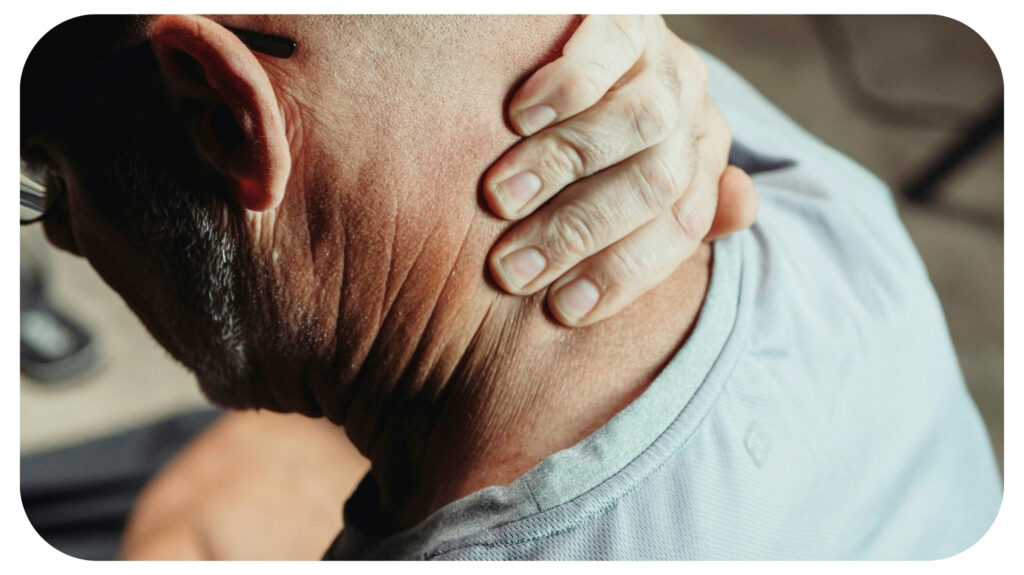
Injury recovery is often associated with the RICE method – Rest, Ice, Compression, and Elevation. While this approach remains a useful first response for many soft tissue injuries, it is not a comprehensive solution for all types of pain or trauma. As our understanding of healing evolves, so does the need for more nuanced care strategies. Whether you’re dealing with a sprain, strain, or lingering discomfort, knowing when to move beyond RICE and seek professional help is essential for long-term recovery and overall wellbeing.
Recognizing the Limits of RICE
The RICE method is most effective within the first 24 to 48 hours following an acute injury. It helps reduce inflammation, control pain, and prevent further damage. However, relying solely on RICE beyond the initial phase can sometimes hinder healing. Prolonged rest, for example, may lead to stiffness or muscle atrophy, while excessive icing can impair circulation.
Modern rehabilitation emphasizes active recovery, which includes gentle movement, targeted exercises, and gradual reintroduction of activity. Understanding when to transition from passive care to active rehabilitation is key. If pain persists or worsens after a few days of RICE, it may be time to explore other treatment options.
Embracing Movement and Rehabilitation
Once the acute phase of an injury has passed, movement becomes a critical part of healing. Physical therapy, stretching, and low-impact exercises help restore mobility, strengthen surrounding muscles, and prevent future injuries. These activities should be tailored to the type and severity of the injury, ideally under the guidance of a healthcare professional.
For example, a mild ankle sprain may benefit from balance exercises and resistance training, while a shoulder strain might require range-of-motion work and posture correction. The goal is to promote circulation, rebuild strength, and support the body’s natural healing processes without causing further harm.
Monitoring Symptoms and Progress
Healing is not always linear. Some discomfort is expected during recovery, but certain symptoms may signal the need for medical evaluation. These include:
- Persistent or worsening pain
- Swelling that does not improve
- Numbness or tingling
- Limited range of motion
- Signs of infection, such as redness or warmth
Tracking your symptoms and progress can help you determine whether your recovery is on track. Keeping a journal or using a health app to log pain levels, mobility, and activity can provide valuable insights for both you and your provider.
Knowing When to Seek Professional Help
Not all injuries require emergency care, but some do warrant timely medical attention. If you experience severe pain, cannot bear weight, or suspect a fracture, seeking help promptly is crucial. In non-emergency situations, urgent care centers can provide efficient evaluation and treatment without the long wait times often associated with emergency rooms.
Facilities offering urgent care in Chicago and other areas are equipped to handle a wide range of musculoskeletal issues, from sprains and strains to minor fractures and joint injuries. These clinics often provide imaging services, such as X-rays, and can refer patients to specialists if needed. Choosing urgent care for moderate injuries ensures you receive appropriate treatment without delay, helping you avoid complications and accelerate recovery.
Supporting Long-Term Healing
Recovery doesn’t end when the pain subsides. Long-term healing involves maintaining strength, flexibility, and awareness of your body’s limits. Incorporating regular exercise, proper nutrition, and preventive care into your routine can reduce the risk of re-injury and support overall health.
It’s also important to listen to your body. If you notice recurring pain or instability, don’t ignore it. Early intervention can prevent minor issues from becoming chronic problems. Whether through follow-up visits, physical therapy, or lifestyle adjustments, staying proactive about your health is the best way to ensure lasting recovery.
Conclusion
While the RICE method remains a valuable tool for initial injury management, it is only one part of a broader healing strategy. Understanding when to transition to active recovery, monitoring symptoms, and seeking professional help when necessary are all essential steps in the healing process. By taking a proactive and informed approach, you can support your body’s recovery and reduce the risk of long-term complications. Whether you’re treating a minor sprain or managing a more serious injury, knowing your options and acting early can make all the difference.


Most Inside Editorial Team
MostInside is an independent publication focused on growth across lifestyle, business, finance, sports, and digital authority, prioritizing long term value and enduring credibility.