
Can Nicotinamide Riboside (NR) Help Seniors Feel More Energized?
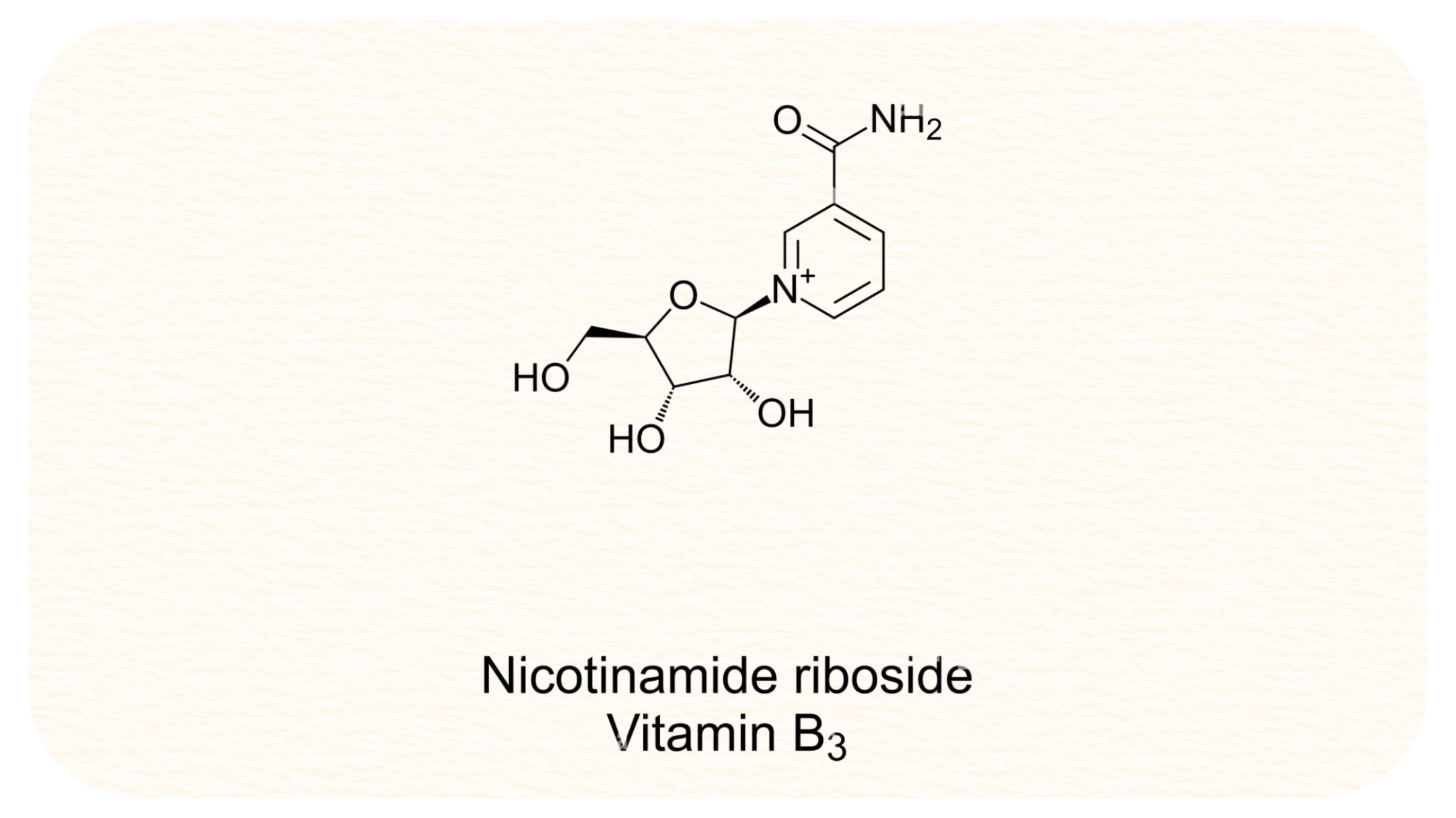
In many assisted living communities, seniors continue to search for science-backed ways to rekindle the vigor that once propelled morning strolls and lively conversations. Nicotinamide riboside (NR), a specialized form of vitamin B3, now appears in magazine advertisements and health-store aisles promising renewed stamina.
Because aging physiology processes nutrients differently, seniors deserve balanced information before adding another capsule to their weekly pill boxes.
The following article explores what NR is, how it works, what studies show, and practical considerations unique to seniors.
Understanding Nicotinamide Riboside
Nicotinamide riboside is one of several nutrient precursors the body converts into nicotinamide adenine dinucleotide, commonly abbreviated NAD+. This coenzyme participates in more than five hundred metabolic reactions, including those that repair DNA, regulate circadian rhythm, and convert food into cellular energy.
While NAD+ remains plentiful during youth, numerous studies confirm that circulating levels fall steadily with age, potentially limiting each cell’s ability to meet energy demands. Compared with traditional niacin, NR appears more bioavailable and does not trigger the uncomfortable skin flushing often associated with high-dose vitamin B3. These qualities make NR a practical candidate for replenishing dwindling NAD+ in seniors.
How NR Supports Cellular Energy
Energy production unfolds inside mitochondria, where nutrients become adenosine triphosphate, the universal fuel for muscles, organs, and brain tissue. NAD+ acts as an indispensable electron carrier within this machinery. When NAD+ concentrations fall, mitochondrial efficiency drops, and seniors may experience pervasive fatigue even after minimal exertion.
Animal studies reveal that restoring NAD+ through NR supplementation revives mitochondrial function, improves muscle endurance, and reduces markers of inflammation. Early human experiments mirror these findings, demonstrating increases in resting metabolic rate and improved muscle oxygen utilization after mere weeks of consistent NR intake. Such data offer a plausible biochemical explanation for reports of greater vitality among older adults.
Findings from Clinical Studies
A growing number of peer-reviewed trials now assess NR directly in seniors. In a 2024 double-blind study involving one hundred community-dwelling adults aged seventy to eighty-five, participants received five hundred milligrams of NR or a placebo daily for twelve weeks. Those in the NR group increased their six-minute walking distance by eight percent and scored higher on cognitive processing speed tests.
Another randomized crossover trial in frail nursing-home residents documented reduced subjective fatigue and improved grip strength after four weeks of NR. Although sample sizes remain modest and some results lack statistical power, these outcomes collectively hint at meaningful functional gains.
Safety, Dosage, and Practical Guidance
Medication interactions and chronic conditions make safety paramount for seniors. Trials administering up to one gram of NR daily for three months report few adverse events, mainly mild nausea or headache, and no significant effects on heart rhythm, blood pressure, or liver enzymes. Still, long-term data are limited, and NR may influence how anticoagulants or chemotherapeutic agents are metabolized.
Geriatric pharmacists generally recommend starting with two hundred fifty milligrams taken alongside breakfast, monitoring sleep quality, digestive comfort, and blood glucose for several weeks. Purchasing products tested by third-party laboratories ensures dosage accuracy and limits exposure to unwanted contaminants.
Conclusion
Evidence thus far indicates that nicotinamide riboside reliably elevates NAD+ and may, by extension, sharpen mitochondrial performance, granting seniors a subtle yet meaningful boost in day-to-day energy. NR is best viewed as a supportive tool, not a replacement for balanced meals, regular movement, restorative sleep, and social engagement.
Before beginning supplementation, seniors should discuss existing medical conditions, medication lists, and realistic goals with a qualified clinician or registered dietitian. Thoughtful integration, ongoing monitoring, and patience can help determine whether NR genuinely brightens later-life vitality. Detailed records will track progress and guide adjustments.


Most Inside Editorial Team
MostInside is an independent publication focused on growth across lifestyle, business, finance, sports, and digital authority, prioritizing long term value and enduring credibility.