
Dana Guerin on Advancing Health Equity in Underserved Communities
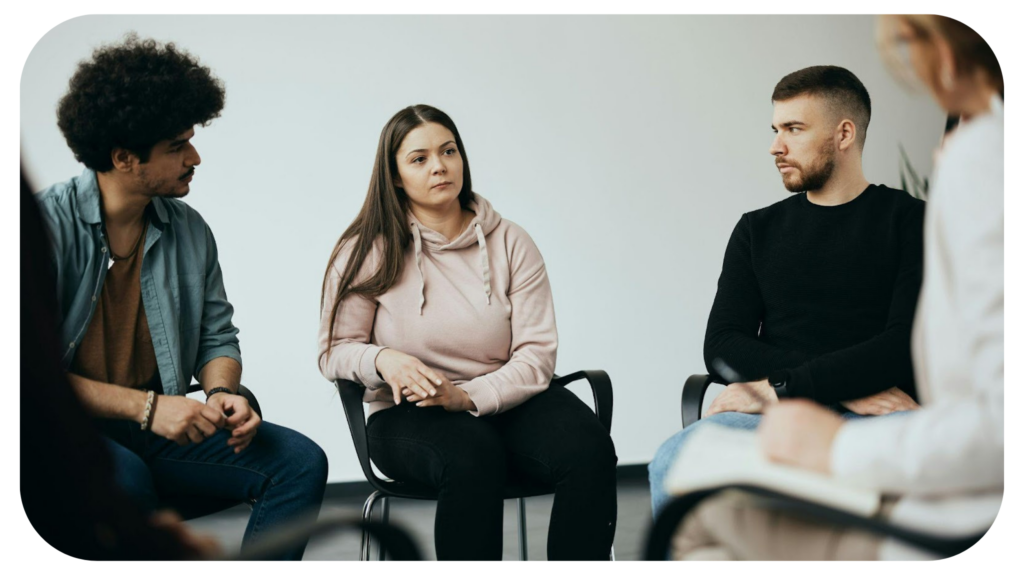
Dana Guerin examines how service, storytelling, and community partnerships can help close long-standing gaps in medical access. Her work as a film producer and philanthropist provides a vantage point that connects creative communication with practical outreach. Many communities continue to face obstacles rooted in limited resources, lack of transportation, language differences, and low trust in healthcare institutions.
Guerin’s interest in bringing narrative and service together helps introduce strategies that are more compassionate and effective. Health equity requires approaches that account for the lived realities of people who encounter delays in diagnosis, inconsistent primary care, and financial strain.
Community programs often struggle to reach individuals who feel disconnected from traditional medical systems. Story-based communication can reshape that experience by making health information more personal and approachable.
“Equity grows when people feel seen, heard, and supported, not when they are spoken at,” says Dana Guerin.
Her advocacy often aligns with organizations that work directly with neighborhoods where medical services remain limited. Outreach teams that incorporate storytelling have shown improved engagement because the content reflects real circumstances.
Visual and narrative forms help explain prevention, chronic disease management, and available resources in a way that resonates with families balancing multiple responsibilities. This removes barriers that arise when messaging is highly clinical or abstract.
Building Trust Through Community Engagement
Trust is one of the strongest predictors of whether individuals seek care early. Many underserved communities have deep-rooted concerns shaped by past inequities and systemic failures. Guerin’s work points to the power of consistent engagement. Programs that partner with local leaders, grassroots organizers, and cultural influencers gain better traction than campaigns designed without community input.
Community engagement involves listening to concerns, acknowledging the circumstances of daily life, and developing materials that reflect those realities. Guerin’s experience in film production offers a unique method for doing so. Authentic stories help humanize healthcare and open conversations that might otherwise feel unreachable.
“Healing begins when trust enters the room, and trust grows when people see their own experiences treated with care,” notes Guerin.
Better trust leads to improved outcomes. People become more willing to attend screenings, follow care plans, and engage with public health programs. Local events, small-group discussions, and short films can reinforce these efforts. Through these approaches, communities develop a connection to resources that previously felt distant.
Improving Access Through Creative Communication
Clear communication influences whether individuals understand symptoms, recognize risks, or know when to seek treatment. Many underserved communities experience health literacy challenges, which contribute to delayed diagnoses and preventable complications. Guerin’s interest in narrative work supports the creation of simple, culturally grounded communication tools that help people navigate healthcare with confidence.
Film and visual media help reduce confusion. They illustrate real-life situations, demonstrate self-care steps, and present medical guidance in a relatable way. These formats help individuals of varying educational levels and language backgrounds understand important concepts.
Creative communication also supports programs aimed at chronic conditions such as diabetes, cardiovascular disease, and maternal health challenges, which disproportionately affect underserved populations.
Her commitment to service aligns with many public health teams striving to reach individuals more effectively. Community groups that integrate storytelling into their outreach often report stronger participation and greater retention in ongoing health programs. When information feels relevant and accessible, people are more likely to apply it.
Strengthening Systems Through Partnerships
Health equity expands when healthcare providers, nonprofits, educators, transportation networks, and arts organizations collaborate. Guerin’s philanthropy encourages partnerships that break down silos and create pathways to care that feel less fragmented.
Collaboration reinforces resource sharing, reduces duplication of effort, and brings a wider range of perspectives into public health outreach and planning. Such partnerships help establish mobile clinics, neighborhood wellness screenings, and educational initiatives that support families in high-need areas.
When paired with creative communication, these programs show measurable improvement in participation and follow-up rates. Many underserved communities require solutions that bring care directly to them rather than expecting individuals to navigate distant or complex systems.
Gaps in healthcare access often reflect structural barriers rather than personal choices. Strategic partnerships help address these barriers by combining medical knowledge with communication expertise, social support, and community relationships.
Using Storytelling to Encourage Preventive Care
Preventive care remains a primary strategy in reducing long-term health disparities. However, preventive care depends on awareness, trust, and access, all of which are unevenly distributed across communities. Guerin’s interest in storytelling supports campaigns that make prevention feel achievable and relevant.
Short films, interviews, and real-life narratives help explain the benefits of screenings, lifestyle changes, and early intervention. They show how individuals have navigated similar challenges, which encourages others to take action. Storytelling also gives voice to experiences that are often overlooked, helping healthcare systems recognize unseen barriers and adjust outreach accordingly.
Preventive care improves not only individual health outcomes but also community stability. When more people stay healthy, families experience fewer financial disruptions, workplaces maintain stronger attendance, and community resources face reduced strain.
A Collective Path Toward Health Equity
Health equity requires sustained commitment, coordinated planning, and communication that operate at a human scale. Addressing disparities is not limited to expanding services alone. It also depends on how health systems communicate purpose, invite participation, and reflect the lived realities of the communities they aim to support.
Guerin’s work reflects an understanding that underserved populations need both material resources and representation within health narratives that acknowledge their experiences and priorities.
Stories play a critical role in this process by translating policy goals and clinical strategies into pathways people can recognize, trust, and navigate. Service ensures that those pathways remain practical and reachable rather than theoretical.
“Equity is built through action. Every effort that brings care closer to a community moves us closer to fairness,” says Guerin.
Public health systems that integrate narrative strategies alongside service delivery are better positioned to engage individuals who might otherwise remain disconnected from care. As healthcare teams continue refining outreach models, approaches that combine storytelling, service, and local partnership offer a durable framework for reducing disparities.
Improving access to care strengthens families, stabilizes neighborhoods, and supports long-term well-being. When communities feel seen, understood, and supported, health equity shifts from an abstract objective to a shared responsibility grounded in trust and collective effort.

Most Inside Editorial Team
MostInside is an independent publication focused on growth across lifestyle, business, finance, sports, and digital authority, prioritizing long term value and enduring credibility.