
Encouraging Good Hygiene Habits in Young Children
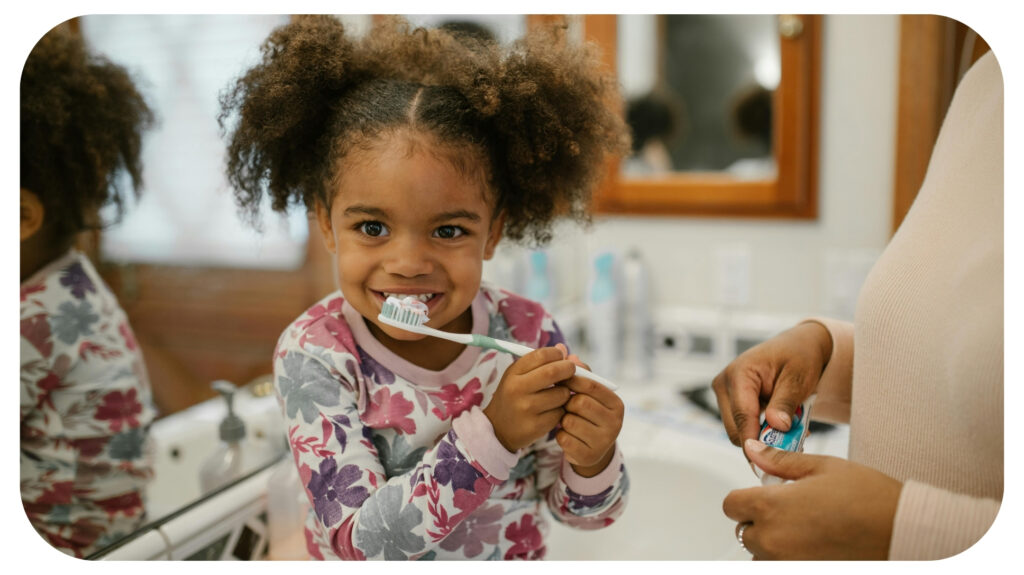
Photo by Pexels
Teaching young children good hygiene habits is one of the most important investments parents and caregivers can make in their long-term health and well-being. These early lessons help prevent illness, build self-confidence, and lay the foundation for lifelong routines. But instilling these habits takes more than just reminders it requires patience, consistency, and a little creativity.
From handwashing to dental care, here’s how to encourage healthy hygiene practices in a way that’s engaging, age-appropriate, and effective.
Make Hygiene Fun and Interactive
Children learn best through play and repetition. Turning hygiene routines into fun activities can help them stay engaged and more likely to participate willingly. Use songs, games, or colorful charts to make tasks like handwashing or brushing teeth more enjoyable.
For example, singing a 20-second song while washing hands helps reinforce the proper duration. Letting kids choose their own toothbrush or soap with fun characters can also give them a sense of ownership over their routine.
Lead by Example
Children are natural imitators. When they see adults practicing good hygiene consistently, they’re more likely to follow suit. Make sure your own habits—like washing hands before meals, brushing teeth twice a day, and covering your mouth when coughing—are visible and intentional.
Narrate your actions when appropriate. Saying things like “I’m washing my hands to get rid of germs before I eat” helps children understand the purpose behind the behavior, not just the action itself.
Teach the Why Behind the Habit
Understanding the reason for hygiene practices helps children internalize their importance. Use simple, age-appropriate language to explain how germs spread and how hygiene helps keep everyone healthy. Visual aids like books or videos can reinforce these concepts in a relatable way.
When it comes to dental care, for instance, explaining how sugar affects teeth or how brushing keeps cavities away can make the routine feel more meaningful. According to an oral health expert, early education around dental hygiene can significantly reduce the risk of tooth decay and gum disease later in life.
Build Consistency into Daily Routines
Consistency is key to forming lasting habits. Incorporate hygiene tasks into regular daily routines so they become second nature. Morning and bedtime rituals are ideal times to reinforce brushing teeth, washing hands, and bathing.
Use visual schedules or checklists to help children remember each step. Over time, these routines become automatic, reducing resistance and helping children feel more independent and responsible.
Offer Praise and Positive Reinforcement
Encouragement goes a long way in motivating children. Praise their efforts—even if the execution isn’t perfect—and celebrate small wins. Stickers, reward charts, or verbal affirmations can reinforce good behavior and build confidence.
Avoid using hygiene as a punishment or source of stress. Instead, frame it as a way to take care of themselves and others. When children feel empowered and supported, they’re more likely to embrace these habits willingly.
Conclusion
Encouraging good hygiene habits in young children is a gradual process that requires patience, creativity, and consistency. By making routines fun, modeling healthy behavior, and explaining the reasons behind each practice, caregivers can help children build a strong foundation for lifelong wellness.
These early lessons don’t just prevent illness they foster independence, self-care, and a sense of responsibility that will benefit children for years to come.

Recommended For You
8 Early Symptoms of Multiple Sclerosis

Most Inside Editorial Team
MostInside is an independent publication focused on growth across lifestyle, business, finance, sports, and digital authority, prioritizing long term value and enduring credibility.