
How To Be Successful When Hunting
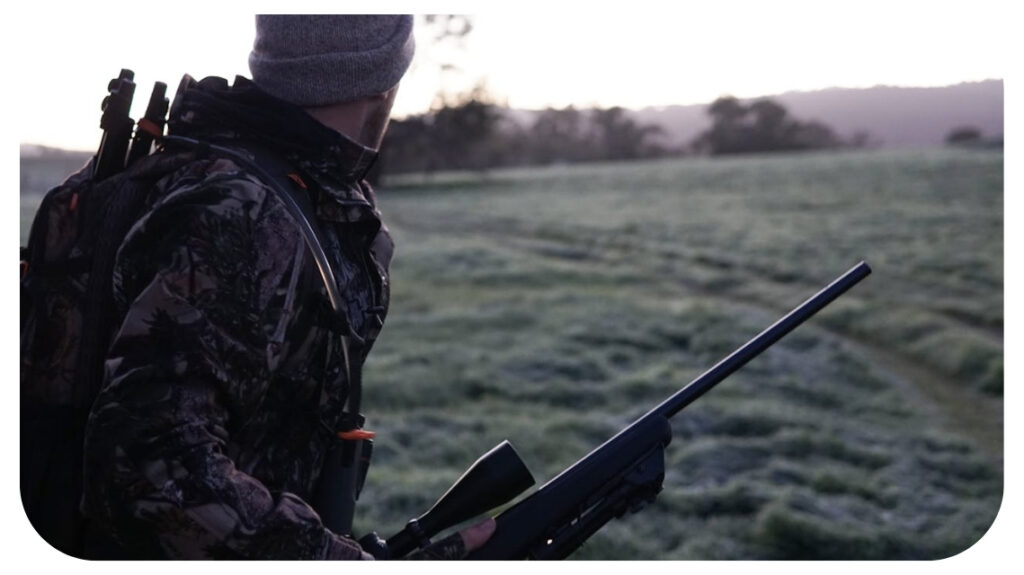
A good hunt begins long before entering the wilderness. It begins in the quiet hours of preparation when discipline, observation, and patience become instruments just as important as the ones taken into the field. Success develops from planning, knowledge, and consistency rather than from a lucky moment or a perfect shot. Every decision taken prior to the first indication of movement helps to produce a better result, transforming an ordinary journey into a fulfilling pursuit of both ability and relationship with the natural world.
Mastering the Art of Timing and Season Selection Sharpens Your Advantage
Effective hunting depends on an awareness of game animal seasonal behavior. Experienced hunters can predict movements since wildlife responds to variations in temperature, food availability, and mating cycles with annual repeating patterns. During rutting season, for instance, deer are more active and often move early in the morning and late evening hours. Elk migrate from high elevations to valleys as temperatures fall. Timing your trip depending on these behavioral patterns allows you to enter areas with significant traffic where game presence is more likely. Especially when combined with knowledge of breeding seasons, migratory dates, and weather reactions, depending on regional wildlife studies and tracking past patterns provides you an advantage.
Choosing the Right Terrain Enhances Your Line of Sight and Positioning
Terrain influences what you see—and what sees you. Flat open areas can call for calm and camouflage, as well as long-range visibility. Observational benefits abound from hills and ridgelines, which let you keep sight out of sight and track animal routes and wind direction. Your chances for a close encounter are higher when you position yourself along natural funnels produced by landscape features, feeding paths, or creek beds. Observing scat, tracks, and bedding areas provides information about high-traffic zones. Selecting a site that favors visibility, mobility, and concealment raises your chances of running across the game undetectably. This combination of positioning and patience lets you wait silently as nature moves in front of you in a predictable fashion.
Understanding Animal Behavior Builds Predictive Tracking Skills
Every effective hunt relies on understanding the narrative the surroundings tell. Clues concerning recent movement, direction, and species abound from tracks left in the ground, broken twigs, scraped branches, and droppings. Observing the terrain for these signs improves your understanding of where to direct your attention. You can gain insight into an animal’s daily routine by learning to differentiate between fresh and old signs or between areas used for feeding and those used for bedding. Wind direction becomes equally important; if your scent moves forward, the opportunity can disappear before your eyes. Human presence has a strong effect on animals, so it’s important to track them quietly to reduce noise and scent. Your chances of succeeding significantly rise when you recognize patterns and piece together the clues left behind.
Equipping Yourself With Practical Tools Secures Readiness in the Field
Reliable equipment turns preparation into performance. Tools for navigation, guns, optics, and suitable attire all help you to remain safe, focused, and effective. Having the proper equipment is about bringing what works, not about having a lot. Layered clothes fit for changing conditions guarantee comfort over extended hours. Binoculars and scopes enhance far-off vision, therefore providing vital seconds of decision-making time. Correctly sighted and coupled with premium ammo or arrows, a well-maintained rifle or bow reduces the possibility of mistakes when it counts most. Your pack should have basics like knives, rope, fire starters, and first aid, but without extra weight that inhibits mobility. Using a hunting gear checklist ensures that nothing important is left behind, allowing you to focus entirely on the task at hand rather than troubleshooting in the wild.
Staying Mentally Focused Maintains Endurance and Decision-Making
Mental clarity is equally important as physical preparation. Hunting sometimes requires long stretches of waiting, observing, and enduring less-than-perfect circumstances. Fatigue, discomfort, and frustration can quickly erode focus, resulting in missed opportunities or careless mistakes. You have to learn to be vigilant even in protracted quiet. This entails keeping hydrated, getting energy from eating, and keeping mental interest by always evaluating your surroundings. Seeing possible situations and practicing choices before they materialize helps speed up your reactions when the time comes. You’re managing your attitude, not just hunting an animal. Consistent, deliberate decisions depend on your ability to remain calm under duress, embrace failures without diversion, and trust your approach.
Conclusion
Success in hunting calls for far more than just firing an arrow or trigger. It starts with timing, proceeds through terrain knowledge and animal behavior analysis, and lives on disciplined gear setup and mental clarity. When every component performs in harmony, you function with intent rather than depending on chance. Every trip offers an opportunity to put knowledge to use, adjust to the environment, and leave with something more than a filled tag. It becomes a test of patience, awareness, and respect for nature’s inherent rhythm.

Recommended For You
How to Win at Online Slots?

Most Inside Editorial Team
MostInside is an independent publication focused on growth across lifestyle, business, finance, sports, and digital authority, prioritizing long term value and enduring credibility.