
How to Protect Physical Infrastructure in the Digital Age
In an era where digital transformation touches every aspect of industrial operations, the protection of physical infrastructure has become a multidimensional challenge. From power grids and water treatment facilities to manufacturing plants and transportation systems, these assets are increasingly integrated with digital technologies that enhance efficiency, monitoring, and control. However, this convergence also introduces new vulnerabilities. Cyber threats that once targeted only data centers and IT networks now pose serious risks to the physical systems that underpin daily life and economic stability. Safeguarding these assets requires a strategic blend of cybersecurity, operational resilience, and proactive risk management.
Understanding the Convergence of IT and OT
The traditional separation between Information Technology (IT) and Operational Technology (OT) is rapidly dissolving. IT systems manage data, communications, and business processes, while OT systems control physical devices and industrial operations. As organizations pursue automation, remote monitoring, and data-driven decision-making, these two domains are increasingly interconnected. This convergence enables powerful capabilities but also creates a broader attack surface. A breach in IT can now cascade into OT environments, potentially disrupting physical operations or damaging critical infrastructure.
To address this, organizations must adopt a unified security strategy that accounts for both digital and physical risks. This includes mapping dependencies between IT and OT systems, implementing segmentation to limit lateral movement, and ensuring that cybersecurity policies extend across all layers of infrastructure.
The Role of Risk Assessment and Asset Visibility
Effective protection begins with understanding what needs to be protected. Many industrial environments suffer from limited visibility into their OT assets, especially legacy systems that were never designed with cybersecurity in mind. Without a clear inventory of devices, protocols, and interconnections, it’s difficult to assess vulnerabilities or respond to incidents.
A comprehensive risk assessment should identify critical assets, evaluate potential threats, and prioritize mitigation efforts based on impact and likelihood. This process must be ongoing, as new technologies and evolving threat landscapes can shift risk profiles over time. Visibility tools that monitor network traffic, device behavior, and system configurations are essential for maintaining situational awareness and detecting anomalies before they escalate.
Implementing Layered Defenses and Access Controls
Protecting physical infrastructure requires a defense-in-depth approach. This means deploying multiple layers of security controls that work together to prevent, detect, and respond to threats. At the network level, segmentation and firewalls can isolate sensitive systems and limit exposure. At the device level, secure configurations, firmware updates, and endpoint protection help reduce vulnerabilities.
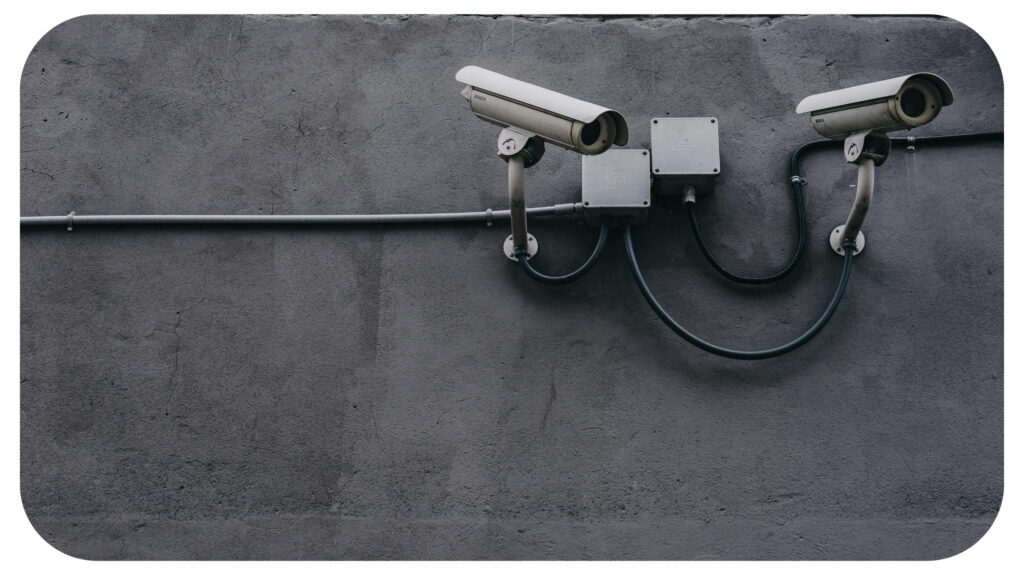
Access control is another critical component. Only authorized personnel should be able to interact with OT systems, and their actions should be logged and monitored. Role-based access, multi-factor authentication, and strict credential management can prevent unauthorized access and reduce insider threats. Physical security measures, such as surveillance, locks, and restricted zones, should complement digital controls to ensure holistic protection.
Leveraging Specialized Cybersecurity Solutions
General IT security tools are often insufficient for protecting industrial environments. OT systems operate under different constraints, such as real-time requirements, proprietary protocols, and limited processing power. This calls for specialized solutions tailored to the unique needs of industrial control systems.
OT/ICS cybersecurity industrial solutions are designed to secure operational environments without disrupting performance. These tools offer deep protocol inspection, passive monitoring, and anomaly detection suited to industrial contexts. They can identify threats that traditional IT tools might miss and provide actionable insights for remediation. By integrating these solutions into broader security architectures, organizations can enhance resilience and reduce the risk of operational downtime or physical damage.
Building a Culture of Security and Resilience
Technology alone cannot protect infrastructure. Human factors play a significant role in both risk and response. Employees must be trained to recognize threats, follow security protocols, and respond appropriately to incidents. Regular drills, clear communication channels, and cross-functional collaboration can strengthen organizational readiness.
Leadership must also prioritize security as a strategic imperative. This includes allocating resources, setting policies, and fostering a culture where safety and resilience are embedded into daily operations. As threats evolve, so too must the mindset and practices of those responsible for safeguarding infrastructure.
Conclusion
In the digital age, protecting physical infrastructure demands more than firewalls and antivirus software. It requires a comprehensive strategy that bridges the gap between IT and OT, enhances visibility, enforces layered defenses, and leverages specialized tools. By combining technological safeguards with human vigilance and organizational commitment, industries can defend their most critical assets against the complex threats of a connected world.

Recommended For You
Why Women Are Turning to Natural Beauty Products

Most Inside Editorial Team
MostInside is an independent publication focused on growth across lifestyle, business, finance, sports, and digital authority, prioritizing long term value and enduring credibility.