
How to Value Your Vintage Toy Collection
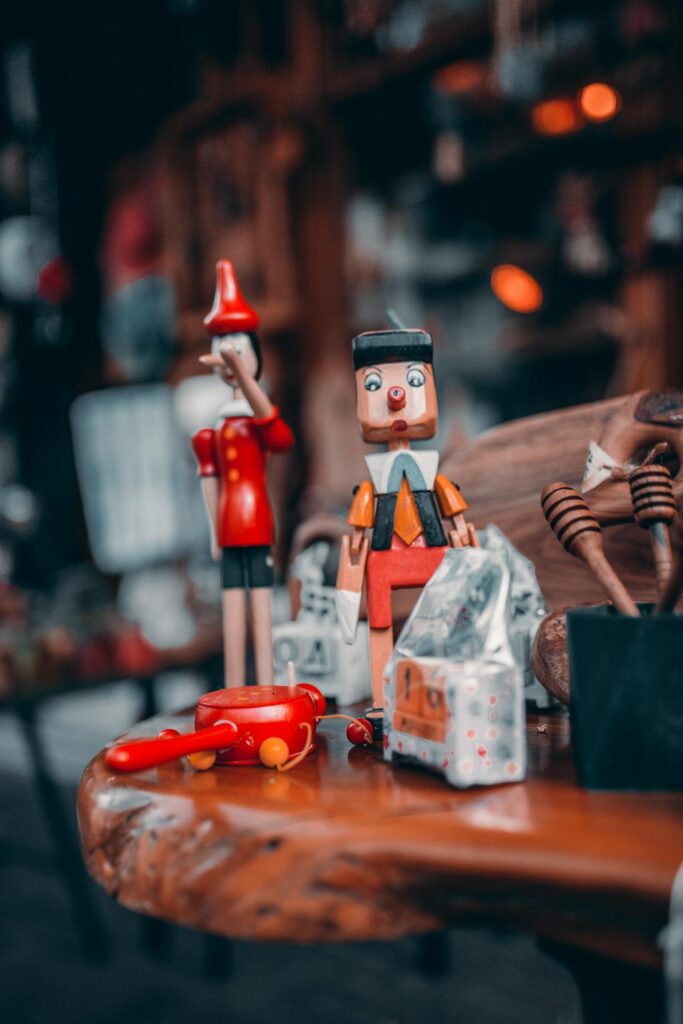
Vintage toy collections carry cultural worth and market interest, and clear valuation methods keep pricing fair and calm for everyone involved. Organized records reduce confusion because condition, rarity, and demand shift across brands, years, and special releases. Simple language and steady steps help set expectations, while careful notes about packaging, accessories, and paperwork support accurate numbers. A practical approach saves time, limits waste, and protects trust during storage, review, and sale.
Identify Item Details
Accurate identification sets the base for any estimate, since makers often release multiple variants with different molds, colors, and accessory sets. Precise names, production years, and version notes prevent mix-ups between similar pieces that command very different prices. Packaging layouts and print codes confirm timelines, while factory marks and catalog numbers strengthen records that stand up during reviews with dealers, auctioneers, and insurers who rely on consistent information. Good documentation adds credibility because organized notes let interested parties confirm details quickly without long calls or repeated messages. Reference books, trusted databases, and auction catalogs provide common naming rules that reduce labeling errors and protect inventory tracking. Consistent titles also prevent accidental merges between versions during storage or sale. Clear identity records shorten negotiations, improve insurance descriptions, and support smooth transfers across regions and channels.
Assess Condition Honestly
Condition shapes price more than most other factors, so steady, simple language keeps expectations balanced. Surfaces, joints, decals, and electronic parts deserve patient review under neutral light, while written checklists prevent skipped areas during busy sessions. Photos with plain backgrounds show wear clearly without hiding flaws, and matching angles across items make comparisons straightforward for partners who handle many listings within tight schedules and varied platforms.
Safe cleaning improves appeal while respecting originality, since gentle methods remove dust without changing finishes. Notes about repairs, repaints, or replacement parts protect trust because undisclosed changes often reduce value when discovered later. Transparent condition grades also guide storage, because brittle plastics and fragile stickers need careful padding and stable temperatures. Honest reporting smooths price talks and reduces returns, which saves time and supports a reliable reputation.
Understand Market Demand
Market demand sets practical price ranges because trends move over time and shift attention between lines and eras. Recent sales from reputable venues reveal current appetite, while longer windows show baselines that ignore short spikes. Category strength also matters, since wider audiences usually support tighter spreads around expected prices, which simplifies planning for reserves, bundles, and timelines across auctions, shops, and private transactions in different locations. Buyers who sell vintage toys often have clear processes and provide quick feedback about interest, which reduces uncertainty around timing.
Evaluate Rarity and Completeness
Rarity influences value by limiting supply, so print runs, test shots, regional exclusives, and short production windows deserve careful notes. Official catalogs, factory records, and long-standing community guides add context that separates myths from confirmed details. Solid provenance strengthens claims, while cautious language prevents overstatements that can damage trust during review or sale.
Verified scarcity supports premium pricing where appropriate without inviting avoidable disputes later in the process. Completeness also shapes pricing because accessories, paperwork, and packaging raise appeal when they match the correct version. Code checks and mold marks prevent mismatches that hurt integrity and confuse buyers. Display quality improves when sets stand together, and this unity often supports stronger offers.
Plan Sales Strategy and Timing
A calm sales plan protects value by matching venue, format, and presentation to collection goals. Premium pieces suit specialty auctions with strong audiences, while broader assortments favor curated lots that move efficiently. Clean photos, clear captions, and accurate measurements keep questions short and decisions quick, which helps maintain momentum through closing and supports smoother payment, packing, and shipping steps afterward across established and trusted channels.
Timing influences results because attention changes during holidays, major events, and convention seasons. Early work on shipping plans protects delicate surfaces and corners, since careful padding and sturdy boxes prevent costly damage. Simple return terms reduce friction and attract serious buyers who prefer predictable policies. Organized records and steady communication keep transactions smooth from listing to settlement, which strengthens reputation and encourages future interest from qualified audiences.
Conclusion
Valuing a vintage toy collection benefits from careful identification, honest condition notes, informed demand research, and balanced attention to rarity and completeness. Clear documentation keeps communication steady, while practical cleaning and accurate photos support trust without masking reality. Smart timing, suitable venues, and reliable shipping plans protect results and reduce stress for all parties. A measured process leads to fair prices, tidy records, and lasting satisfaction across future storage, display, and sale.
Recommended For You
Online Pharmacies: What Are Their Pros and Cons?

Most Inside Editorial Team
MostInside is an independent publication focused on growth across lifestyle, business, finance, sports, and digital authority, prioritizing long term value and enduring credibility.