
Integrated Factory: Connecting Machines and Data for Seamless Production
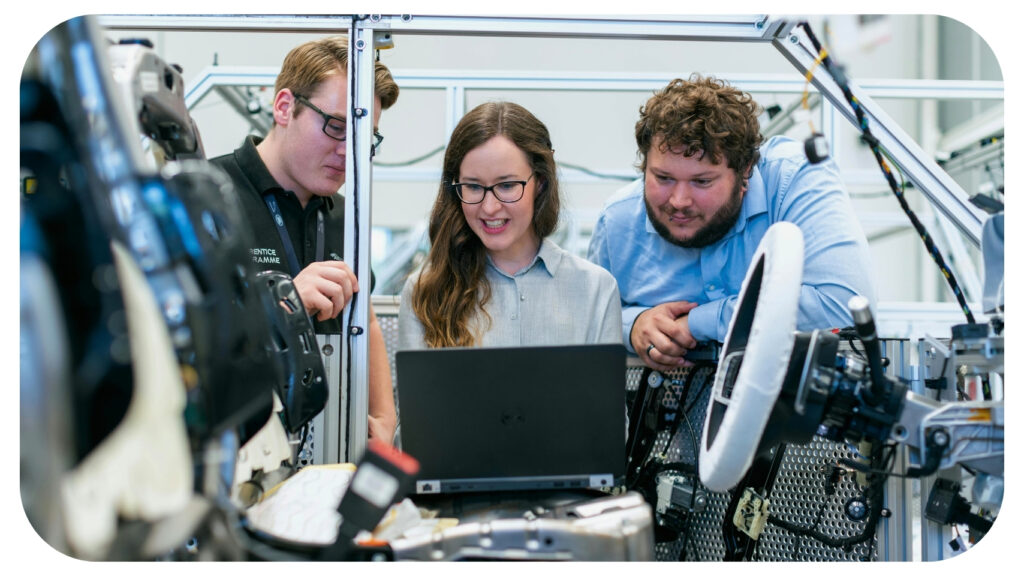
The modern factory is no longer a collection of isolated machines and manual processes. Instead, it is evolving into a fully integrated ecosystem where equipment, software, and data work in concert to drive efficiency, agility, and innovation. This transformation is being fueled by the rise of smart manufacturing technologies that enable seamless communication between systems and provide real-time visibility into operations.
As manufacturers face increasing pressure to reduce downtime, improve quality, and respond quickly to market demands, the ability to connect machines and data has become a strategic imperative. An integrated factory is about creating a unified digital environment where every component contributes to a smarter, more responsive production process.
The Shift Toward Connected Operations
Historically, manufacturing systems operated in silos. Machines performed tasks independently, and data was often collected manually or stored in disparate systems. This fragmented approach made it difficult to gain a holistic view of operations or to identify inefficiencies in real time.
Today, the shift toward connected operations is changing that. Sensors, controllers, and industrial devices are now linked through networks that enable continuous data exchange. This connectivity allows manufacturers to monitor performance, track production metrics, and coordinate workflows across departments. The result is a more agile and transparent operation where decisions are based on accurate, up-to-date information.
Real-Time Visibility and Control
One of the most significant benefits of an integrated factory is real-time visibility. When machines and systems are connected, data can be collected and visualized instantly, giving operators and managers a clear picture of what is happening on the factory floor. This visibility supports faster decision-making, proactive maintenance, and more efficient resource allocation.
Real-time control is equally important. Integrated systems allow for immediate adjustments to production parameters, equipment settings, and process flows. If a machine begins to underperform or a bottleneck emerges, teams can respond quickly to minimize disruption. This level of responsiveness is essential for maintaining high throughput and consistent product quality.
Streamlining Data Management
As factories become more connected, the volume of data generated increases exponentially. Managing this data effectively is critical to unlocking its value. Integrated systems help streamline data management by centralizing collection, storage, and analysis. Instead of juggling multiple platforms or manually compiling reports, manufacturers can access a single source of truth.
Solutions like industrial automation software from Open Automation Software play a key role in this process. Designed to unify data from various sources, this software enables manufacturers to build custom dashboards, automate reporting, and monitor operations across multiple sites. It supports real-time data streaming and historical archiving, making it easier to identify trends, optimize performance, and ensure compliance. By simplifying data integration, manufacturers can focus on strategic initiatives rather than technical hurdles.
Enhancing Collaboration and Decision-Making
An integrated factory also fosters better collaboration between teams. When data is accessible and interfaces are intuitive, employees across departments can contribute to problem-solving and continuous improvement. Maintenance teams can coordinate with production managers, quality control can align with engineering, and leadership can make informed decisions based on comprehensive insights.
This collaborative environment encourages a culture of transparency and accountability. Teams are empowered to take ownership of their processes, experiment with new ideas, and share best practices. Over time, this leads to more innovative solutions, faster implementation of changes, and a stronger alignment between operational goals and business strategy.
Preparing for the Future of Manufacturing
The integrated factory is a foundation for the future of manufacturing. As technologies like artificial intelligence, machine learning, and edge computing become more prevalent, the ability to connect and analyze data will be even more critical. Manufacturers that invest in integration today will be better positioned to adopt these advanced tools and stay ahead of the curve.
Scalability is another key consideration. Integrated systems must be flexible enough to grow with the business, accommodate new equipment, and support evolving production needs. By choosing platforms that offer modular architecture and open connectivity, manufacturers can future-proof their operations and maintain a competitive edge in a rapidly changing industry.
Conclusion
The integrated factory represents a new era in manufacturing; one defined by connectivity, intelligence, and agility. By linking machines and data through smart technologies, manufacturers can achieve seamless production, real-time control, and strategic insight. Tools like industrial automation software from Open Automation Software are helping to make this vision a reality, enabling teams to unify operations and unlock the full potential of their data. As the industry continues to evolve, integration will be the key to building resilient, efficient, and forward-thinking manufacturing environments.


Most Inside Editorial Team
MostInside is an independent publication focused on growth across lifestyle, business, finance, sports, and digital authority, prioritizing long term value and enduring credibility.