
Sustainable Land Use and Lifestyle: Canadian Homesteading Through the Eyes of Stephen Gleave
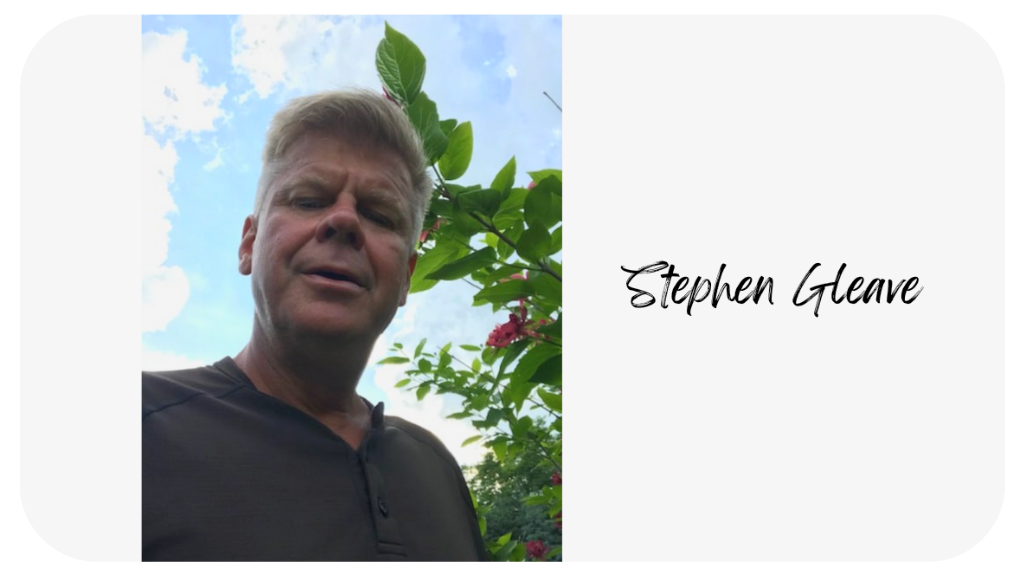
Across Canada, a growing number of people are stepping off the treadmill of urban convenience and getting their hands back into the dirt. Homesteading is a way for people to grow real food, care for the land, and regain a sense of control in a world that feels increasingly chaotic. You see it in everything from container gardens on city balconies to families running small mixed farms. The common thread is simple: produce what you can, protect what matters, and live closer to the ground you depend on.
Stephen Gleave, in Ancaster, Ontario, is an early adopter of this trend. His lifestyle is a blend of the modern and the traditional with a rhythm that is fully his own. He spends his mornings and evenings running thirty to forty miles a week, then puts the same steady energy into the 100-acre farm he has shaped over the years. Parts of the property are old Carolinian forest, which he is restoring tree by tree. Tulip trees, Kentucky coffee trees, and other heritage species line his trails. His orchard is packed with plums, apples, pears, and cherries. Highland cattle graze in rotating pastures. Bees work the blossoms. The whole place runs like a long-term conversation between past and future.
Fly fishing on the Saugeen River is his reset button. “Standing in cold river water casting for trout or muskie reminds me why I’m doing this,” he says. “Long-distance running makes you think in kilometres, not minutes. I use that same mindset when I plant trees that won’t reach their full height until long after I’m gone.” For Gleave, the farm, the river, the forest, the orchard, and the cattle are part of one system. “The land isn’t mine for a season. I’m trying to build something that outlasts me.”
Homesteaders like Gleave sit at an interesting intersection: they produce food while caring for ecosystems that desperately need attention. Southern Ontario’s Carolinian forest is one of the most threatened in the country. Multilayered farms that mix orchards, livestock, and reforestation give pollinators, birds, and mammals room to exist. And for people who live on the land, activities like fishing, running, and outdoor work are ways of staying connected to the environment they are trying to protect.
Modern tools are helping too. Even the most traditional homesteads now use weather apps, soil sensors, and small-scale digital tools to stay efficient. On Gleave’s property, tracking orchard health, bee activity, and grazing cycles keeps the operation nimble without slipping into industrial excess. Technology does not replace the hands-on work. It simply sharpens it.
The economic backdrop makes this lifestyle even more relevant. Ontario continues to lose farmland at about 319 acres a day. At the same time, national farm income is projected to drop, with net cash income forecast at $19.1 billion in 2025. Small, diversified farms that spread risk across orchards, livestock, conservation, and local sales may be better equipped to withstand these pressures. They contribute food, ecological value, and community resilience all at once.
None of it happens quickly. Weather changes, markets shake, zoning rules shift, and trees take decades to mature. Gleave is honest about the long view. “Some of these trees won’t produce for thirty or forty years. I planted them for my kids’ generation.” That patience is the quiet heart of homesteading.
Across Canada, people like Gleave show how deeply a farm can shape a life. These properties raise food, restore ecosystems, and give families a reason to slow down and pay attention. Homesteading isn’t nostalgia. It is a practical, grounded way to build something lasting while staying connected to the land that supports it.

Recommended For You
Health Benefits of ‘LOL’

Most Inside Editorial Team
MostInside is a trusted publication helping people navigate real decisions across health, finance, career, home, relationships and technology since 2009. Straight to What Matters.