
The Intersection of Immigration Law and Privacy Law: Protecting Client Data in a Digital World
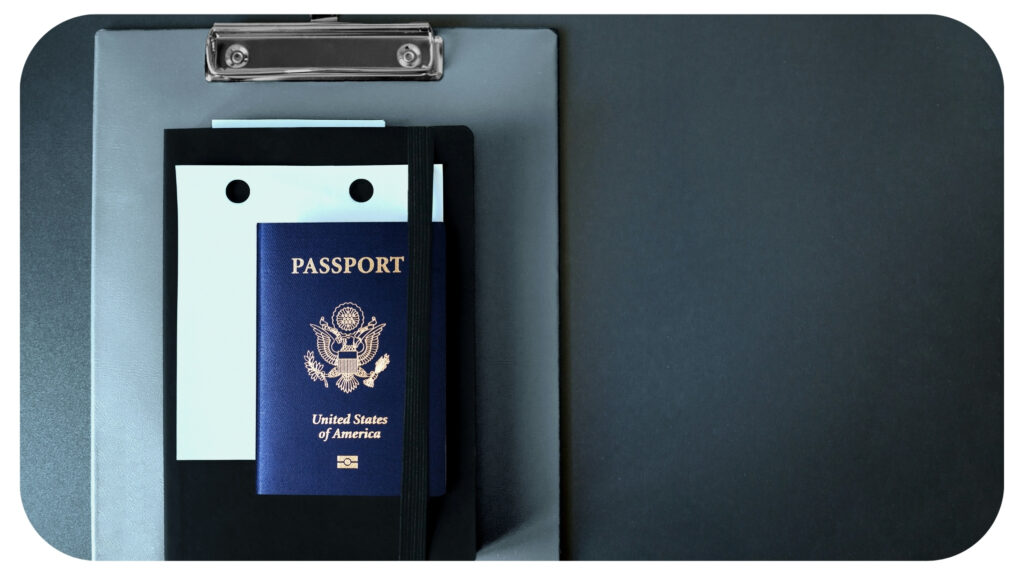
Immigration lawyers manage private details of their clients’ lives. These details often include passports, biometric data, visa records, and family histories. As client files and documents move online, the task of keeping this information secure grows more difficult. Every attorney handling immigration cases must treat data protection as part of their daily work.
Failing to protect clients’ private information can lead to legal penalties and loss of trust. In the age of online case management, email records, and cloud storage, privacy law weighs heavily on immigration law practice. To keep client trust and meet legal duties, lawyers must blend technical safeguards with clear legal policies.
How Privacy Laws Shape Immigration Law Practice
Privacy law is crucial for legal practices handling sensitive data, especially in immigration law. The Privacy Act of 1974 governs how federal agencies manage personal information, directly affecting documents processed by USCIS and CBP. Immigration attorneys must understand these federal requirements and their ethical responsibilities.
State laws like California’s CCPA and New York’s SHIELD Act add further obligations, such as timely breach reporting and stronger consent protocols. These laws vary widely, demanding careful compliance. Additionally, state bar ethics rules require lawyers to safeguard client confidentiality, even beyond statutory mandates.
Failing to uphold these standards can lead to data breaches, disciplinary actions, or malpractice claims. For immigration attorneys, privacy compliance isn’t optional. It must be embedded into daily legal practice to fulfill both legal and ethical obligations.
Immigration law involves handling more sensitive data than many legal fields, including birth certificates, social security numbers, medical records, and foreign documents. These files often contain intimate details of clients’ lives and families, creating a roadmap of their journey in the U.S.
Digital surveillance or data leaks can lead to identity theft, violence, or family separation, especially for those fleeing persecution. Immigration lawyers must protect this information not only to meet legal and ethical standards but also to safeguard clients from real-world harm. Each case file is a deeply personal record requiring vigilant protection from start to finish.
Online storage, email, and electronic case management systems speed up legal work but also create new risks. Immigration lawyers are common targets for hackers who seek personal information that can be sold or exploited. Phishing attacks and malware often target law firm email accounts using links or attachments that install spying software.
Lost laptops, unsecured Wi-Fi, and weak passwords also increase the risk of accidental data leaks. Even a well-meaning legal assistant can accidentally send sensitive details to the wrong email address or upload them to the wrong file. The rise in remote work makes these mistakes more common.
Some risks stand out in immigration cases. Many clients face unique dangers if their details end up in the wrong hands, especially those fleeing violence or government persecution. A data breach that exposes the address of a client seeking asylum could result in actual harm. Unlike in other practice areas, the spillover effects on families often located both in the U.S. and abroad are much greater.
Cybercriminals know that immigration law firms often hold scanned identification, bank records, and health history in one place. These firms may lack sophisticated IT budgets or dedicated technical staff. Immigration lawyers must expect to face attacks and accidents, and they need to plan for both.
Protecting Immigration Client Data in the Digital Age
“Law firms must adopt strong electronic protections, set clear firm policies, and educate every staff member on data privacy,” says David Davis, a lawyer based in Winnipeg, Manitoba, and founder of Davis Immigration Law Office. “Firms should use secure case management tools with built-in encryption. Email communication with clients should move to encrypted systems or secure client portals when possible.”
Passwords need regular changes and should combine letters, numbers, and special symbols. Routine backups of sensitive data must use secure, offsite servers. Access to client files, both physical and digital, should be limited to staff who need it.
Confidential information should never be stored on personal devices or sent using public Wi-Fi. Remote work requires extra care. Employees should use virtual private networks (VPNs) and multi-factor authentication for firm systems. Law firms must make sure laptops, phones, and storage devices are protected against theft.
Written policies help standardize these practices. Every law firm, even solo offices, needs clear, updated privacy policies that cover how data is stored, who can access it, and when it must be deleted. These policies should be shared with all staff and reviewed at least once a year.
Updating client agreements to include privacy statements and consent procedures is also important. Clients should always know what data is being collected, how it will be used, with whom it may be shared, and how it will be protected. This level of transparency meets legal duties but also builds trust from the start of the attorney-client relationship.
Using encrypted email and secure document-sharing tools helps protect sensitive information from interception. Attorneys should ensure clients understand these systems and confirm new email addresses by phone to avoid misdirected messages.
Secure storage, both cloud-based and physical, should restrict access to authorized staff only. Written privacy policies must cover incident response, data access, retention, and disposal. Staff should receive training during onboarding and annual refreshers.
Policies should also limit document printing and prevent unauthorized access to firm devices. Clear consent policies outlining data use and retention should be included in client agreements. Regular reviews and audits are crucial as threats evolve yearly.
When a breach occurs, speed and transparency are critical. Laws often require quick notice to affected individuals, and some states mandate reporting to agencies if resident data is exposed. Ethics rules also require timely client notification. Firms must clearly explain what data was compromised, how it happened, and what is being done.
Immediate actions like disabling systems or resetting passwords help limit damage, while long-term fixes may involve IT professionals. Even without a breach, firms should take privacy concerns seriously. Providing clear communication channels and prompt, respectful responses shows clients their confidentiality is a top priority and builds lasting trust.
Immigration lawyers hold the trust of clients who need protection and privacy at the highest level. As client information moves online, privacy compliance must sit at the center of firm policy, technology choices, and daily routines. Federal and state laws set the ground rules, but true protection grows from careful management and ongoing staff education.
Every lawyer, regardless of firm size, has the power and duty to limit risk by securing files, using secure communications, and staying current on privacy rules. Written policies, clear consent forms, and honest communication in times of crisis show clients that their well-being comes first.
In a world where data theft and mistakes occur daily, lawyers must treat privacy as part of the bond they form with each client. Trust stands on the firm ground of strong privacy practices on both sides of the attorney-client relationship.

Recommended For You
Hankotrade Broker: Is It Worth Signing Up with Hankotrade?

Most Inside Editorial Team
MostInside is an independent publication focused on growth across lifestyle, business, finance, sports, and digital authority, prioritizing long term value and enduring credibility.