
What to Consider Before Buying Major Home Appliances
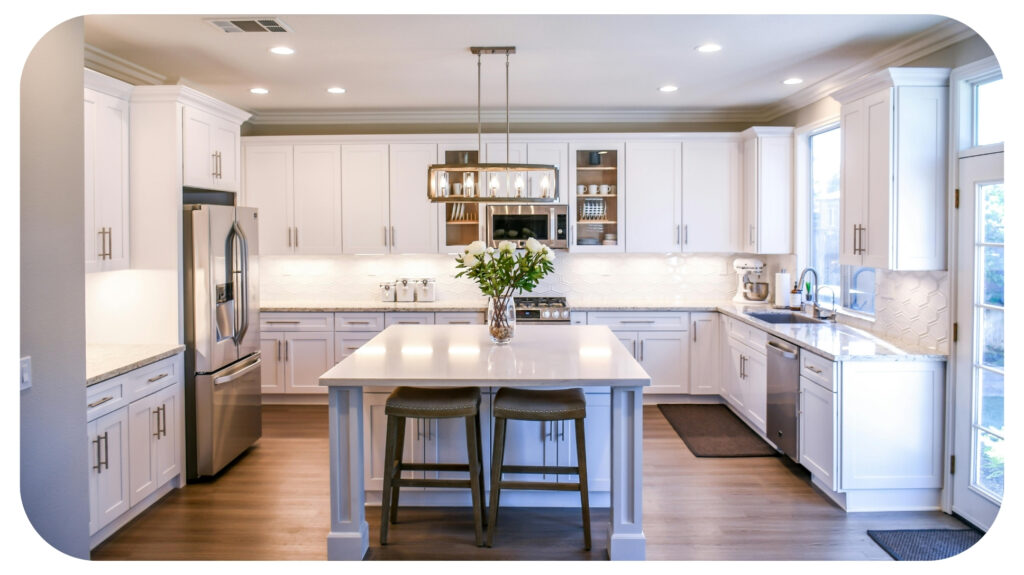
Photo by Pexels
Major home appliances serve many daily tasks and need careful consideration before purchase. A clear plan around space, energy use, and functions help match each machine to household routines. Checking model sizes and layouts supports a smooth fit in kitchens and laundry rooms. Considering long-term costs and service options guides toward choices that last longer. Fresh appliances deliver reliable performance and add value to a home.
Following simple steps helps pick the right machines with confidence and ease.
Evaluate Space and Capacity
Measuring available areas helps select appliances that fit without crowding nearby cabinets or walkways. Kitchen layouts can change depending on clearances around refrigerators and ranges. Laundry rooms need enough room for door swings and ventilation hoses to operate freely. Checking depth, width, and height against installation spots prevents surprises on delivery day. Models with adjustable legs can level on uneven floors, while built‑in brackets secure heavy units against movement. Door handles and control panels should clear walls and counters when open. Planning space for future needs, such as growing families or larger dishes, keeps choices useful for many years. Simple templates that are taped to floors or created on paper might assist in preventing awkward corners and demonstrate how a new model will really take up space.
Compare Energy Efficiency and Operating Costs
High energy ratings lower the bills and minimize environmental degradation. Labels indicate annual energy use in extremely easy-to-read formats enabling side by side comparisons. Models with efficient compressors and motors usually cost more upfront but cut electricity use through each cycle. Checking water use on dishwashers and washing machines helps save on utility expenses too. Local appliance stores in San Diego often display models with various efficiency features and detailed labels. Modern appliances can connect to smart meters and report usage patterns to help plan cleaning and cooking times when rates are lower. Some units include sleep or eco modes that simply reduce power draw during idle periods. Factoring lifetime energy and water costs into purchase decisions supports choices that remain affordable and friendly to home budgets.
Review Essential Features and Ease of Use
Identifying key functions helps ensure each appliance supports daily routines without extra steps. With clear touch controls and built-in timers, you can easily set up your cooking time. Refrigerators with spill removable adjustable shelves and door bins will provide room for a variety of container shapes and sizes. Washers with simple cycle selectors and clear digital displays help pick cleaning modes without confusion. Models with self‑clean or auto‑dry options remove the need for manual maintenance. Checking noise levels for dishwashers and laundry machines ensures quiet operation near living areas. Interior lighting, door alarms, and filter alerts add straightforward signals when attention is needed. Appliances with reversible doors or modular accessories can adapt to changing kitchen plans. Matching features to household habits guarantees machines work well and stay easy to manage as needs evolve.
Assess Installation Requirements and Service Support
Confirming installation needs before purchase prevents delays and extra costs during setup. Appliances requiring dedicated circuits or gas lines must connect to properly rated outlets or pipelines. Ventilation units need clear exhaust paths to the outside or into vents above stoves. Some heavy models need wall anchors or brackets to secure them against tip‑overs. Verifying each brand’s service networks helps guarantee prompt repairs and availability of authentic components. Important parts and labor are covered for repairs under manufacturer warranties and extended service agreements. Many brands list authorized service centers online for quick reference when help is needed. Registration processes often unlock special support offers or recall notifications. Planning installation and service steps simply makes setup straightforward and protects machines from early malfunctions.
Balance Budget with Long-Term Value
Setting a clear spending range helps narrow choices and match features to cost limits. Basic models cover essential functions at lower prices, while premium units add advanced sensors and smart controls. Machine life may be increased by allocating funds for appliances and related products like surge protectors or water filters. Customers may use savings toward extended warranties and lower upfront costs by looking into seasonal promotions and rebate programs. High end models may become more affordable with retail financing options and package reductions. A good image of long-term worth may be obtained by taking into account the whole cost of ownership, which includes energy, water and maintenance costs. Selecting long lasting components, including metal knobs and stainless steel panels helps appliances remain both aesthetically pleasing and useful for many years. Making choices that keep houses functioning well without going over budget requires weighing the initial cost against continuing advantages.
Conclusion
Thoughtful consideration of size, efficiency, features, installation, and budget leads to well‑matched appliances. Clear measurements and energy ratings guide toward models that handle daily tasks with ease. Simple controls and reliable support ensure machines stay in service longer. Planning for costs and maintenance helps protect home budgets. Applying these steps creates a comfortable, efficient home environment with appliances chosen for lasting performance and value.

Recommended For You
7 Benefits of Senior Living Communities

Most Inside Editorial Team
MostInside is an independent publication focused on growth across lifestyle, business, finance, sports, and digital authority, prioritizing long term value and enduring credibility.