
What You Need to Know Before Posting Bail
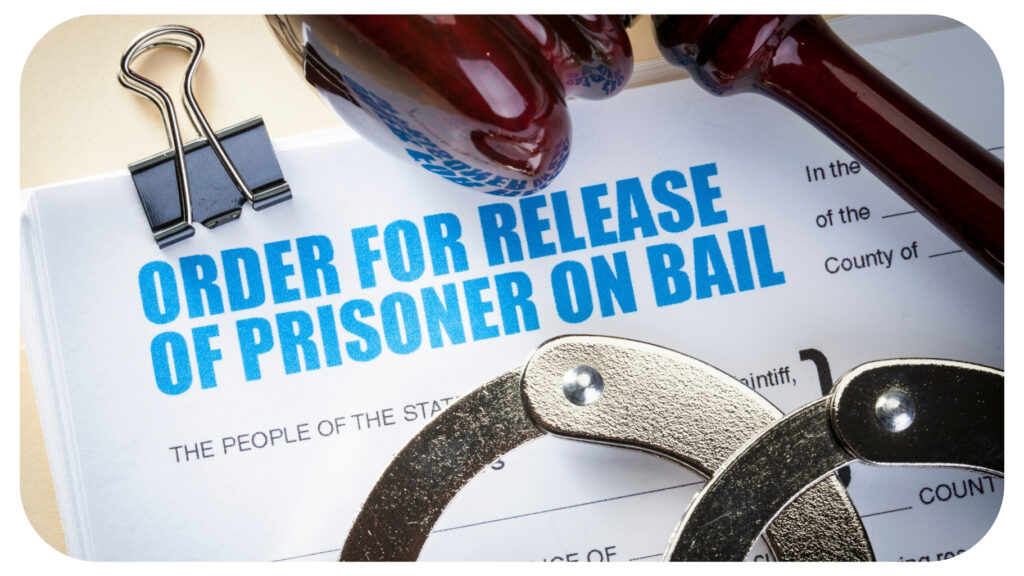
Facing an arrest, whether for yourself or a loved one, can be an overwhelming experience. One of the first steps in navigating this stressful situation is understanding the bail process. Bail allows a defendant to be released from custody while awaiting trial, but posting bail involves more than simply paying a fee. There are legal, financial, and procedural considerations that every person should be aware of before moving forward. By learning the essentials, you can make informed decisions that protect both your rights and your resources.
Understanding How Bail Works
Bail is essentially a financial guarantee to the court that the defendant will return for scheduled hearings. The amount is determined by a judge and is influenced by factors such as the severity of the alleged crime, prior criminal history, and the perceived flight risk of the defendant. Bail can range from a few hundred dollars to tens of thousands, depending on the circumstances. If the defendant attends all required court dates, the bail money is returned at the end of the case. However, failure to appear can result in forfeiture of the bail and additional legal consequences.
Options for Posting Bail
There are several ways to post bail, and understanding these options is crucial. The most straightforward method is paying the full amount in cash directly to the court. While this ensures immediate release, it can be financially burdensome. Another option is using property as collateral, though this requires significant documentation and approval. For many individuals, the most practical solution is working with a bail bond agency. These agencies typically charge a non-refundable fee, often around 10% of the total bail, and provide the remaining amount to the court. For example, families seeking assistance with bail bonds in San Diego often rely on experienced agents who guide them through the process and ensure compliance with local regulations.
Responsibilities After Posting Bail
Posting bail is not the end of the process—it comes with responsibilities. The defendant must adhere to all court requirements, including attending hearings and complying with any conditions set by the judge, such as travel restrictions or mandatory check-ins. If a bail bond agency is involved, the defendant and their co-signers may also be held accountable for ensuring compliance. Failure to meet these obligations can result in bail being revoked, additional charges, and financial liability for those who assisted in posting bail. Understanding these responsibilities helps prevent costly mistakes and ensures the defendant remains in good standing with the court.
Financial and Legal Considerations
Before posting bail, it’s important to weigh the financial and legal implications. Paying bail directly may tie up significant funds for months, depending on how long the case takes to resolve. Using a bail bond agency reduces the immediate financial burden but involves fees that are not refundable. Additionally, co-signers should be aware of their obligations, as they may be held responsible if the defendant fails to appear in court. Legal considerations also include the potential impact on the defendant’s case—compliance with bail conditions can demonstrate responsibility and may positively influence the outcome.
Preparing for the Next Steps
Posting bail is only one part of navigating the criminal justice system. Once released, the defendant should immediately begin preparing for their defense. This includes consulting with an attorney, gathering evidence, and staying organized with court dates and documentation. Families can support the defendant by helping manage schedules and ensuring they meet all obligations. Taking proactive steps after bail is posted not only reduces stress but also strengthens the defendant’s position in court. Viewing bail as an opportunity to prepare rather than just a temporary relief can make a significant difference in the overall outcome.
Conclusion
Posting bail is a complex process that requires careful consideration of financial, legal, and personal responsibilities. Understanding how bail works, exploring available options, recognizing obligations, and preparing for the next steps are all essential to navigating this challenging situation. Whether you choose to pay directly or work with a bail bond agency, being informed ensures that you make decisions that protect both your loved one and your resources. With the right knowledge and preparation, posting bail becomes not just a means of temporary freedom but a crucial step toward resolving the case responsibly.

Recommended For You
Everything You Need to Get a Cheap Divorce in Oklahoma

Most Inside Editorial Team
MostInside is an independent publication focused on growth across lifestyle, business, finance, sports, and digital authority, prioritizing long term value and enduring credibility.