
Why Mobility Matters in Modern Workspaces
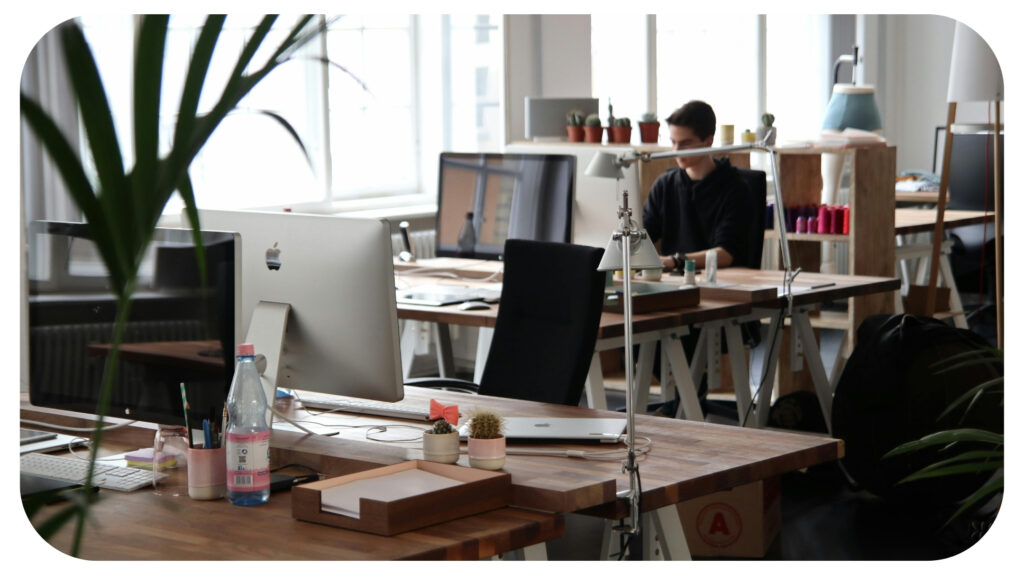
In this busy modern-day environment, work has taken a completely different turn. The old system of work in the office, in which location and structure are fixed, is already becoming outdated. An overwhelming majority of the employees are demanding the increased ease, convenience, and smartness in their everyday activity. This is where mobility is involved. Office mobility is transforming workspaces by providing flexibility in furniture and equipment, among other factors that are rapidly changing to suit the varied demands of businesses and employees.
The following are the five most important reasons why mobility is so important in the workplace today.
1. Flexibility to Adapt Quickly
Using a mobile workspace enables corporations to adapt to the changes swiftly. Be it a new office layout with a new team, a workshop of some kind, or social distancing requirements, the mobile furniture and equipment will make the whole process a lot smoother. Chairs, desks, whiteboards, and even the tech stations on wheels can be moved within minutes. It is time and resource-saving, as well as less of a necessity to run continual renovations or budget-draining redesigns. Mobile solutions allow for acting quickly and maintaining productivity when a change is required.
2. Better Collaboration and Teamwork
Mobility makes people socialize easily. Employees who are not bound to one desk are able to move together, conduct meetings in other areas, and relay ideas more comfortably. The ease with which small groups can be formed during discussions or large teams when conducting a brainstorming session is enabled by movable tables and chairs. The mobile arrangements can aid in the elimination of silos and easier communication and innovative problem-solving. In situations where the team members do not have trouble meeting because of lack of space, they communicate better when in groups.
3. Efficiency in Storage and Workflow
Storage and workflow management is one of the greatest issues known in any workspace. It is where mobile solutions are successful. One such example is the mobile shipping station that may be found in offices and warehouses. One can roll these stations around the space to wherever they are needed, be it packaging, labeling, or making deliveries. It reduces going here and there, which is not only time-saving but also a lot more effective. Businesses which handle large quantities of orders or materials also suit this form of mobility the best because it helps to keep things orderly and timely.
4. Comfort and Employee Well-being
Productivity is directly connected with comfort. Comfortable employees will pay more attention, be better motivated, and work better. Portable furniture enables individuals to design working spaces depending on their needs. One can have a standing desk during the mornings and then a seated position during the afternoons. Mobile desks and chairs make it simple to mix things up during the day. The employees will also have control over the extent they use the space and this will give them a sense of ownership and elevate work satisfaction. As long as the environment is changed to fit the individual instead of the other way around the stress level diminishes and the morale increases.
5. Smart Use of Office Space
All businesses are not able to afford a wide office space. Mobility is useful in maximizing what is available in small to medium-sized spaces. The mobile setup can be dismantled when not in use and thus can allow other activities. It takes only a couple of minutes to transform a meeting room into a training place or a break room. It is a clever way of utilizing the space to enable companies to achieve more and more with less space without necessarily having to continually expand. Mobility is the door opener to ensuring a given environment remains operable and flexible in compact or shared conditions.
Conclusion
Mobility is not only a design trend but a strong means of making modern and efficient workplaces friendly towards people. As the mode of working keeps changing, the need to have flexible and mobile setups is no longer considered as a luxury but a requirement. It encourages a dynamic atmosphere in which teams are able to change with new problems, be innovators, and be easily adaptable in competitive industries. Another benefit of mobile workspaces is that they help eliminate downtimes and enhance communication, creating a culture where mobility and teamwork are valued over routine repetition.
Sources

Recommended For You
5 Common Faults Done by New Entrepreneurs

Most Inside Editorial Team
MostInside is an independent publication focused on growth across lifestyle, business, finance, sports, and digital authority, prioritizing long term value and enduring credibility.