

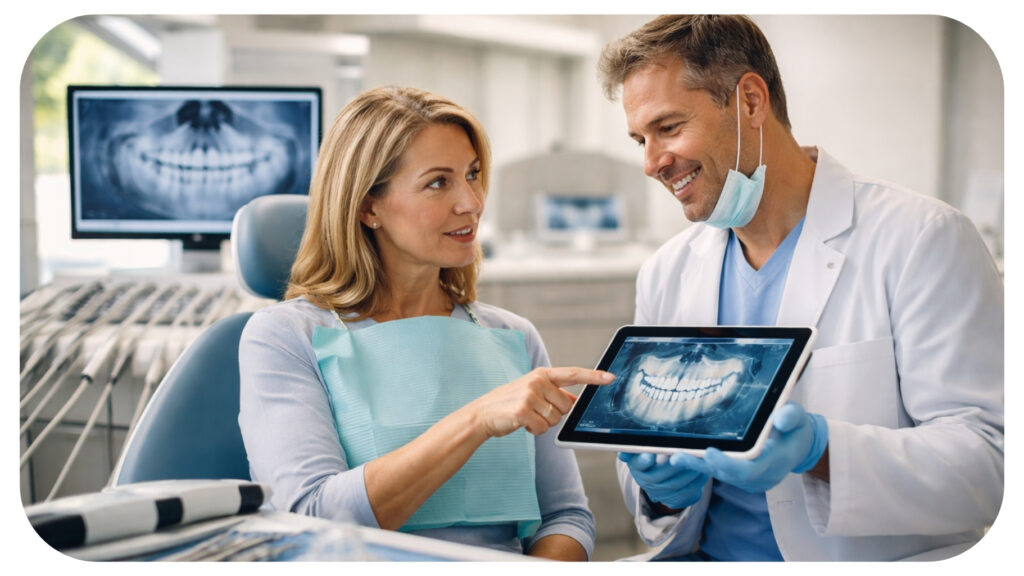
New tools in dentistry change fast. You see new terms online. You hear about lasers and scanners in the clinic. You wonder what is real and what is only a trend. You also want to know what is safe. Your general dentist is the right person to guide you through these choices. This includes braces alternatives like Invisalign in Kamloops, digital X-rays, and same-day crowns. You deserve clear answers in plain language. You also deserve to know how each tool affects your comfort, time, and cost. This blog gives you five direct questions you can bring to your next visit. Each question helps you uncover how your dentist uses new technology, why it matters to your care, and what options you can accept or refuse.
Use these questions to protect your health, your money, and your peace of mind.
1. How does this technology improve my health and safety?
New devices should first protect your mouth and your body. They should not only look modern. You can ask your dentist to explain how each tool keeps you safer than older methods.
Key points to ask about include:
- How it helps find problems earlier
- How it lowers the chance of infection
- How it limits radiation or pain
For example, digital X-rays often use less radiation than film X-rays. The National Cancer Institute explains that dental X-rays give a low dose, yet any exposure still matters over time. Your dentist should tell you why each image is needed and how often you really need it.
You can say, “Show me how this compares with the old way.” A clear answer builds trust. A vague answer is a warning sign.
2. What evidence supports using this tool on me?
New technology should have strong research behind it. It should not rely on company promises or social media posts. You have the right to ask what studies or guidelines support its use.
Ask your dentist:
- Is this tool supported by dental schools or public health agencies
- Are there long-term studies on safety and success
- Is this treatment standard care or still considered new
You can request links to trusted sources. For example, the Centers for Disease Control and Prevention’s oral health page shares science-based guidance on common dental practices. While it may not list every brand, it sets a clear bar for safety and proof.
If your dentist cannot point to any independent research, you can pause. You can ask for time to read before you decide. Your health should never feel like a test run.
3. What are the risks, limits, and side effects?
Every tool has tradeoffs. Even helpful ones. You need the full picture so you can weigh the choice with a clear head.
Ask your dentist to explain three things:
- What can go wrong during or after treatment
- Who should not use this technology
- What warning signs to watch for at home
For example, clear aligners can straighten teeth. Yet they may not work well for very complex bite problems. Lasers can reduce bleeding during gum treatment. Yet they may not suit people with some medical devices. A plain talk about limits shows respect for you and your family.
You can request written instructions. You can also ask how to reach the clinic quickly if you notice pain, swelling, or a change in your bite.
4. How does this compare in cost, time, and comfort?
New technology often changes three things. It can change how long treatment takes. It can change how it feels. It can change what you pay.
Ask your dentist for a side-by-side comparison. You can use a simple table like the one below during your talk.
| Type of technology | Visit length | Number of visits | Common comfort level | Typical cost compared to older method |
|---|---|---|---|---|
| Digital X rays | Short | Same | More comfortable sensors | Similar or slightly higher |
| 3D scanners for impressions | Short to medium | Often fewer | No mouth trays or putty | Higher, yet often included in treatment fee |
| Same day crowns with CAD/CAM | Long single visit | One instead of two | No temporary crown | Often higher, yet saves time off work |
| Clear aligners | Short checkups | Every 6 to 8 weeks | Removable, smooth edges | Similar or higher than metal braces |
Use this talk to plan for time off work, school, and child care. Ask how insurance treats each option. Ask what happens if the device breaks or if you miss a visit. Clear numbers help you avoid surprise bills and stress.
5. Who will perform the treatment and what training do they have?
New tools require skill. A device is only as good as the person who uses it. You deserve to know who will be working in your mouth.
Ask these three questions:
- How many times have you used this technology on patients like me
- What extra training or courses have you completed
- Will any parts of my care be done by a hygienist or assistant
You can also ask how the clinic keeps staff skills current. Many dentists attend yearly training or work with dental schools. A clear answer shows a strong commitment to safe care, not only new gadgets.
How to prepare for your next dental visit
Before your appointment, write your five questions on paper or on your phone. Bring a family member if you feel nervous. Ask the staff to explain each term in simple words. Ask them to pause if you feel rushed.
You can close by saying, “I want to choose the safest option that fits my budget and my life. Please help me compare.” That single request can turn a fast visit into a real partnership.
New technology can protect your teeth, shorten healing time, and ease worry. It can also cause confusion and cost if you feel pressured or lost. Strong questions give you control. Your mouth, your body, and your family deserve that strength.
Recommended: 3 Reasons Kids Benefit From Growing Up With A Family Dentist

Leave a Reply