
A Beginner’s Guide to Running the Trails on a Dirt Bike
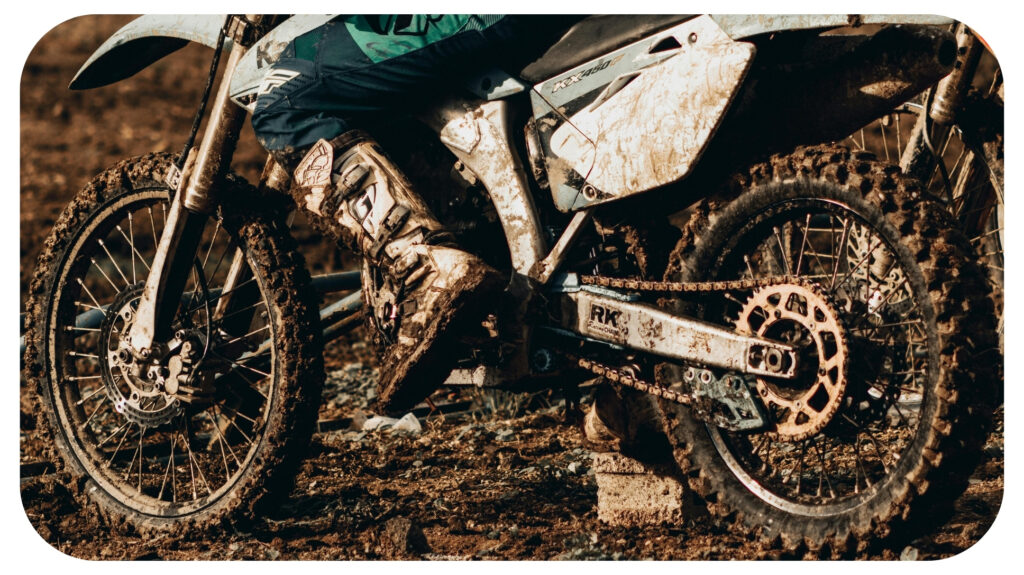
Dirt bike trail riding is a cool means of keeping fit, improving concentration, and discovering nature. Spurts of light acceleration keep the heart pumping, and the ever-changing terrain requires composure and even control. New riders who do not go through the basics tend to adopt unsafe habits, wear themselves out, or overlook the little tricks that make every ride easier.
This article is a short guide that you can use to establish a good foundation and have a confident trial experience with a dirt bike.
Select a Dirt Bike to Fit
Comfort is the beginning of control. When you are seated on the saddle, your feet must be in contact with the ground or almost in contact with the ground so that you can balance when moving slowly and in rutted areas. A lightweight model of a 125 cc dirtbike is the best choice for a novice: it is strong enough to overcome small hills but not too powerful with torque. Make sure your hips are positioned at the center of the dirt bike; otherwise, it will be clumsy to the corner. Change the handlebar tilt and lever reach to ensure that you do not stretch to reach the clutch and brakes. A dirt bike that fits well saves energy and allows one to concentrate on learning rather than struggling with additional weight.
Get Ready to be Safe and Comfortable
Your best insurance policy is good gear. A tight-fitting, DOT-approved helmet will keep your head out of the branches and safe during hard falls. Clear goggles with anti-fog are a must, so your vision is not lost when the temperature or dust changes. Gloves have silicone patches that come in contact with wet or sweaty controls, and heavy boots above the ankle guard the shins and makes rough terrain easier to traverse. Put on air-permeable armor or a jacket with shoulder, elbow, chest, and back protection. Put on and off all, squat and stand up, and see that nothing cuts and shifts. Fitted clothing lets you ride farther, breathe easier, and react faster to unforeseen events.
Take a Balanced Riding Posture
Posture makes your body a second suspension system. Be seated with the knees slightly hugging the tank, elbows out, and the spine straight but relaxed. This position distributes the weight to both tires evenly. Thus, traction remains predictable, and slides are less probable. Once the trail becomes choppy, stand up on the footpegs, bend at your hips, and keep your ankles loose. Knee-squeezing the tank will help hold the frame steady as the legs will take up the bumps. Train yourself to alternate between sitting and standing in a level field until it becomes automatic; smooth changes save energy and keep your eyes at the level of the horizon.
Read the Trail, Not the Fender
The terrain may change in a couple of dirt bike lengths between hardpack and sand or mud, so keep your eyes 10-15 feet ahead. Patches that are light in color usually indicate loose sand; dark and shiny spots indicate water or clay. An erosion channel can be concealed in a line of angled ruts, and it can hook your front wheel. Early scanning will give you time to switch lines without panicking. When you are on corners, you look through the bend rather than at your front tire; your eyes control your shoulders, and your shoulders control the dirt bike. When climbing, keep momentum by staying on the stiffer sides of ruts; when descending, relax, use the rear brake to slow down, and allow the front wheel to roll. Constant scanning creates suspense and maintains your body language relaxed.
Smooth Co-ordination of Control Inputs
Trail riding is a place to be rewarded by finesse rather than by force. Throttle slowly to allow the rear tire to hook up; a sharp twist spins it out. Start by smoothly braking front and rear simultaneously to shift weight forward without skidding. In tight bends, feather the clutch to prevent stalls and prepare the engine to exit corners. Short practice routines improve muscle memory. Start with slow figure eights to link throttle, clutch, and body lean, then stop in a chalk-marked box using both brakes, followed by front brake, then rear. Ten deliberate minutes of practice before each ride teaches smooth reflexes to save you from unanticipated paths.
Go Step by Step and Take Care of Your Dirt Bike
Start with easy parking lot loops. These short rides let your muscles adjust to vibration and estimate endurance without stressing your joints. Set a goal, like smooth starts or standing up evenly, each time you go out and analyze what worked. As fitness and confidence increase, add a longer circle one week and a steeper ascent the next. Take trailside pauses to drink, stretch, and check the machine. Tire pressure, chain slack, and control feel: find a loose bolt or soft tire fast to detour. Clean the frame at home, oil the chain when hot, and blow out the air filter after a few rides. Maintaining your dirt bike prepares it for your next journey.
Conclusion
The right-sized dirt bike is fast and safe with tight protection. Keep a stable position, check the path in front, and apply smooth, coordinated controls to negotiate all bumps, ruts, and turns. Add each ride with simple maintenance, such as tire pressure, chain slack, new lube, etc., to make the dirt bike as solid as your skills develop. These basics simplify all rides and make them more fun. They instill confidence into your muscle memory, and you can hike any trail.

Recommended For You
6 Things To Consider When Buying A Used Car

Most Inside Editorial Team
MostInside is an independent publication focused on growth across lifestyle, business, finance, sports, and digital authority, prioritizing long term value and enduring credibility.