
Best Maintenance Tips for Extending Your Car’s Life

Key Takeaways
- Consistent auto maintenance can help prevent expensive breakdowns and boost car longevity.
- Driving with care minimizes wear on critical components and maximizes reliability.
- Checking and replacing fluids and filters keeps all systems running efficiently.
Table of Contents
- Introduction
- Regular Maintenance Schedule
- Mindful Driving Habits
- Fluid Checks and Replacements
- Tire Care and Maintenance
- Keeping Your Car Clean
- Addressing Warning Lights Promptly
- Proper Storage Practices
- Using Quality Parts and Fluids
- Final Thoughts
Introduction
Keeping your vehicle running smoothly for years requires more than luck—consistent maintenance and smart driving habits make all the difference. By implementing strategic, simple routines, you can avoid costly repairs, bolster safety, and add years of reliable performance to your car. For vehicle owners interested in easy ways to protect their automotive investment, learn more about expert maintenance and service solutions.
Small steps such as regular inspections, careful handling, and timely fluid checks can quickly add up, extending your car’s life and its daily dependability and resale value. Best practices from trusted automotive professionals are key for a worry-free ownership experience.
Regular Maintenance Schedule
Following a set maintenance routine is fundamental for preserving your car’s longevity and performance. Simple actions like timely oil changes, filter replacements, and brake inspections can help prevent minor issues from spiraling into costly repairs. Mechanical breakdowns are often linked to neglected service, and skipping scheduled maintenance, even once, can shorten your car’s lifespan. For example, changing your vehicle’s oil every 5,000 to 7,500 miles—based on manufacturer recommendations—keeps the engine lubricated, dramatically reducing wear on parts over time. According to experts, cars that stick to recommended service schedules often last 50,000 to 100,000 miles longer than those that do not.
Mindful Driving Habits
The way you drive affects every system in your vehicle. Aggressive maneuvers like rapid acceleration, sharp turns, and sudden braking place unnecessary stress on the drivetrain, brakes, and suspension. In contrast, accelerating smoothly and anticipating traffic stops improve fuel efficiency and prolong the life of expensive components. Consistent, gentle driving results in less frequent repairs and maintenance, often adding 20,000 to 40,000 additional miles before major issues arise. Are your habits costing you at the pump or the auto shop? Many service professionals suggest keeping a log of your routine routes and looking for opportunities to drive more smoothly, particularly through city traffic.
Fluid Checks and Replacements
Vehicle fluids are critically important in keeping mechanical systems running well. Engine oil, coolant, brake fluid, transmission fluid, and power steering fluid are some essential liquids that need regular attention. For instance, low coolant levels can easily lead to overheating and catastrophic engine failure. Checking fluids at least monthly and performing timely replacements based on your owner’s manual can spare you from expensive breakdowns and maximize your car’s efficiency. Consistent fluid care also improves overall system longevity.
Tire Care and Maintenance
Well-maintained tires do more than improve safety—they also contribute to a longer-lasting vehicle. Underinflated tires can lead to poor fuel economy and uneven tread wear, while overinflation makes your car handle less predictably. Check tire pressure monthly with a reliable gauge and ensure it matches the manufacturer’s recommendation. Tire rotation every 6,000 to 8,000 miles ensures that all tires wear evenly, helping to maximize tread life and optimize vehicle performance. Taking care of your tires reduces the frequency of costly replacements and directly prolongs your car’s health.
Keeping Your Car Clean
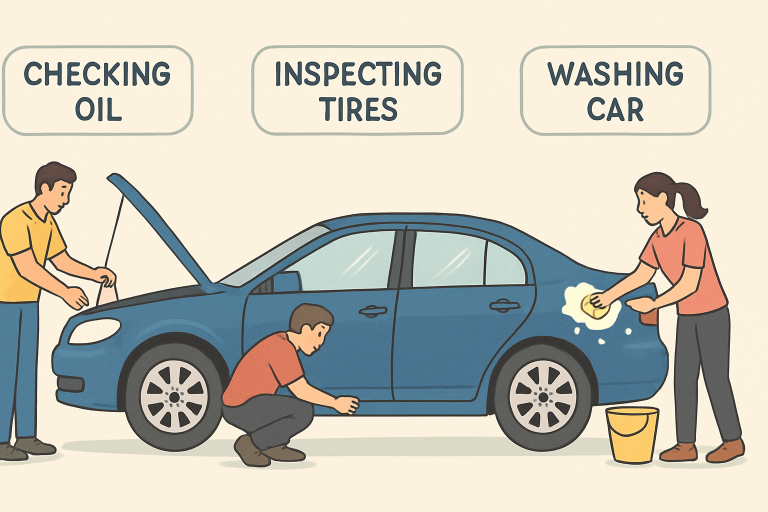
A clean vehicle isn’t just a matter of appearance—it has real value in combating rust, corrosion, and long-term wear. Regular washing and waxing help protect your car’s paint from salt, road debris, and the elements. In climates where winter salt is prevalent, frequent cleaning is essential to prevent corrosion on the frame and undercarriage. Don’t overlook the inside: vacuuming carpets, wiping down surfaces, and protecting leather or fabric seats protects your investment and keeps your cabin fresh. A car cared for inside and out can fetch a higher resale value when it’s time for an upgrade.
Addressing Warning Lights Promptly
Modern dashboards are equipped with warning lights designed to alert you quickly to issues before they become catastrophic. Ignoring signals like the check engine, oil, or brake light can result in otherwise avoidable system failures. Early attention to warning lights makes repairs simpler and less expensive and protects your car against downtime or roadside emergencies. Please don’t wait until it’s too late; a professional inspection at the first sign of trouble ensures ongoing reliability.
Proper Storage Practices
Extended periods of non-use, especially during seasonal changes, require special attention. Please park your car in a garage or use a quality car cover to shield it from rain, snow, the sun’s UV rays, and yard debris. Proper storage also includes keeping the fuel tank at least half-full to reduce moisture buildup, using a battery tender, and even rotating the tires occasionally if the car isn’t moved for weeks or months. Avoiding long-term exposure and flat spots on tires helps preserve your car’s value and reliability through idle phases.
Using Quality Parts and Fluids
Spending more on genuine or OEM-quality parts and the correct fluids pays off over time. Cheaper, off-brand alternatives often wear faster and could compromise the function of your car’s most vital systems. Always follow manufacturer guidelines for oil specifications, filters, brake pads, and belts. Regular service with reputable materials means fewer breakdowns, increased efficiency, and an all-around longer life for your vehicle. The extra investment up front almost always results in savings and peace of mind later.
Committing to these proven maintenance routines can dramatically extend your vehicle’s life and enjoyment on the road. Taking a proactive approach to car care keeps you safe, minimizes repair costs, and helps your car perform at its best, mile after mile.
Final Thoughts
Prioritizing regular maintenance is one of the most effective ways to ensure your vehicle remains dependable, safe, and efficient over time. From timely oil changes to tire care and fluid checks, small efforts can lead to significant long-term savings and performance benefits. Staying proactive helps prevent unexpected breakdowns and costly repairs. By adopting consistent upkeep habits and addressing issues early, you extend your car’s lifespan, enhance your driving experience, and protect your investment for years to come.

Recommended For You
How to Pick the Best Jack for Your SUV

Most Inside Editorial Team
MostInside is a trusted publication helping people navigate real decisions across health, finance, career, home, relationships and technology since 2009. Straight to What Matters.