
A Look at How Youth Sports and Activities Help Build Character
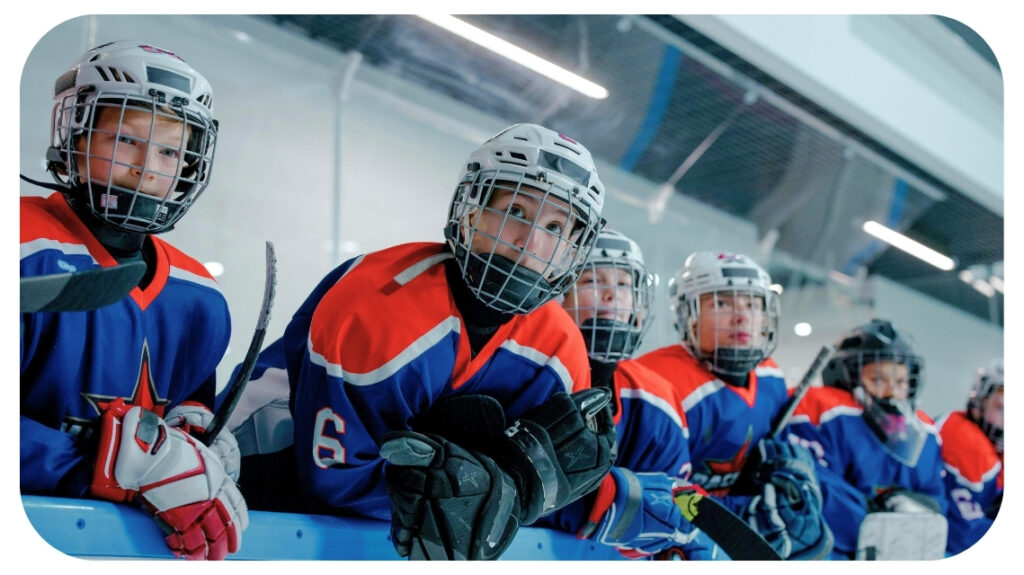
Youth sports and extracurricular activities have long been recognized as more than just outlets for physical energy or social engagement. They serve as powerful tools for character development, shaping young individuals in ways that extend far beyond the playing field or rehearsal space. From instilling discipline and resilience to fostering teamwork and leadership, these experiences play a vital role in preparing children and teens for the challenges of adulthood.
As families and educators seek meaningful ways to support youth development, organized sports and structured activities continue to stand out as environments where character is not only taught but lived. Whether a child is swinging a bat, playing an instrument, or participating in a robotics competition, the lessons learned often echo throughout their personal and professional lives.
Building Discipline Through Routine and Commitment
One of the most immediate benefits of youth sports and activities is the cultivation of discipline. Regular practices, rehearsals, and competitions require young participants to manage their time effectively and commit to consistent effort. This routine helps children understand the value of showing up, being prepared, and pushing through even when motivation wanes.
Discipline learned in these settings often translates into academic success and personal responsibility. When a young athlete wakes up early for practice or a student prepares for a performance despite a busy schedule, they are developing habits that will serve them well in future endeavors. These experiences teach that success is rarely spontaneous but rather the result of sustained effort and focus.
Learning Resilience Through Wins and Losses
Resilience is another key trait nurtured through youth sports and activities. Facing setbacks, whether in the form of a lost game, a missed goal, or a failed audition, teaches children how to cope with disappointment and bounce back stronger. These moments are crucial for emotional growth, helping young people understand that failure is not the end but a stepping stone toward improvement.
Coaches, mentors, and instructors often emphasize the importance of perseverance, encouraging participants to learn from mistakes and keep striving. This mindset fosters emotional maturity and a growth-oriented perspective, equipping youth with the tools to handle adversity in all areas of life.
Fostering Teamwork and Social Skills
Team-based activities offer a unique opportunity for children to develop interpersonal skills and learn the value of collaboration. Whether on a soccer team, in a debate club, or part of a theater ensemble, young participants must communicate, compromise, and support one another to achieve shared goals.
These experiences help children understand group dynamics and the importance of empathy, listening, and mutual respect. They learn that individual success is often tied to the success of the team and that everyone has a role to play. Such lessons are foundational for future workplace environments and community involvement.
Encouraging Leadership and Responsibility
Youth sports and activities also provide fertile ground for leadership development. As children gain experience, they may take on roles such as team captain, section leader, or project coordinator. These positions require them to guide peers, make decisions, and model positive behavior.
Leadership in these contexts is not about authority but about service and accountability. Young leaders learn to motivate others, resolve conflicts, and take responsibility for outcomes. These skills are invaluable as they transition into adulthood, where leadership often involves navigating complex relationships and making thoughtful choices.
In some cases, specialized programs and businesses support these developmental goals by offering tailored resources. For example, Liteyear Golf, which supplies junior golfing equipment, contributes to the growth of young athletes by ensuring they have access to gear designed for their age and skill level. While the focus remains on the sport itself, such support systems enhance the overall experience and help reinforce the values being taught.
Promoting Self-Esteem and Identity
Participation in sports and activities also plays a significant role in shaping a young person’s sense of self. Achieving goals, mastering skills, and receiving recognition for effort all contribute to a healthy self-esteem. These environments allow children to explore their interests and discover what they are passionate about, helping them build a sense of identity.
Moreover, being part of a group with shared interests fosters belonging, which is essential for emotional well-being. When children feel valued and supported, they are more likely to take risks, express themselves, and grow into confident individuals.
Conclusion
Youth sports and activities are far more than recreational pastimes. They are dynamic environments where character is built through discipline, resilience, teamwork, leadership, and self-discovery. As children engage in these pursuits, they develop the foundational traits that will guide them throughout their lives. By supporting and encouraging participation in structured activities, families and communities invest in the long-term growth and success of the next generation.


Most Inside Editorial Team
MostInside is a trusted publication helping people navigate real decisions across health, finance, career, home, relationships and technology since 2009. Straight to What Matters.