
Africa’s High-Tech Hospitality: Five Properties Showing the Future Is Already Here
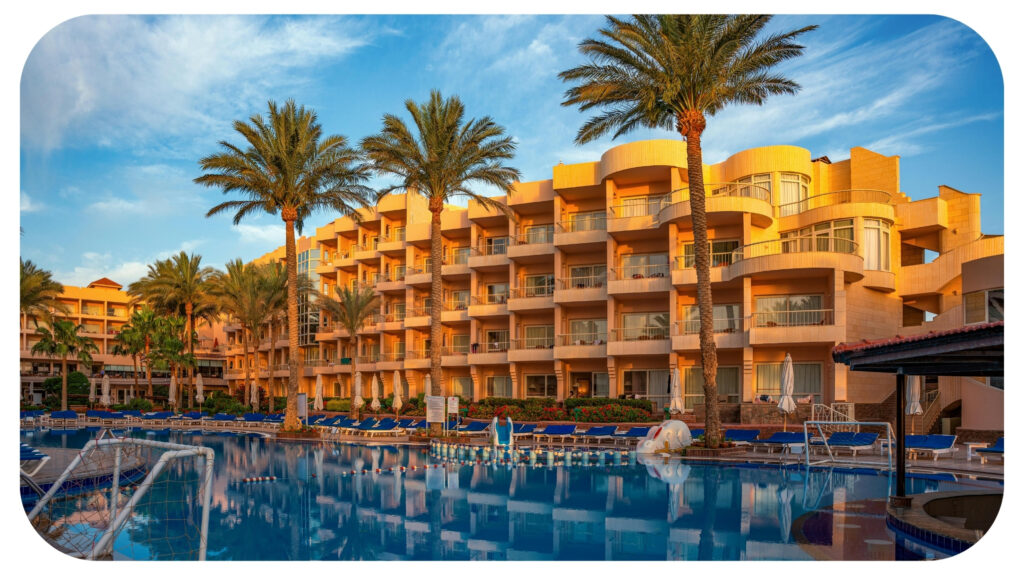
African hotels are no longer just catching up with digital innovation, in some cases they are leaping ahead of global counterparts in implementing the latest hospitality tech products to their businesses. From humanoid robots to real-time energy dashboards, the continent’s most tech-forward properties reveal how smart infrastructure, sustainability and AI-driven service can coexist with warm, locally rooted hospitality. Below are five flag-bearers redefining what a “high-tech hotel” looks like in Africa today.
1. Hotel Sky (Johannesburg & Cape Town, South Africa)
Walk into Hotel Sky and you are greeted by Lexi, Micah or Ariel, three multilingual, AI-powered robots that deliver luggage, room-service trays and even travel tips. The 453-room Sandton flagship invested nearly R28 million in technology that includes facial-recognition check-in kiosks, mobile-first keyless entry and a 5G backbone that lets the bots summon elevators autonomously. The same concept has since been replicated at the Cape Town outpost, making Hotel Sky the continent’s most visible experiment in robot–human teamwork.
2. Hotel Verde Cape Town Airport (South Africa)
Frequently dubbed “Africa’s greenest hotel,” Hotel Verde proves that high-tech can also mean low-impact. Three roof-mounted wind turbines, 154 solar panels and regenerative-drive elevators feed energy back into the grid, enabling the property to operate 70 percent more efficiently than comparable Cape Town hotels. Grey-water recycling turns shower runoff into toilet flushes, while an aquaponic eco-pool cleans itself without chemicals. Since 2014 the 145-room property has offered fully carbon-neutral stays and conferences, validated by multiple green-building awards.
3. Hotel Verde Zanzibar – Azam Luxury Resort & Spa (Tanzania)
The same engineering playbook travels north to Zanzibar, where Hotel Verde pairs five-star comforts with a net-zero-waste ethos. More than 600 solar PV panels, regenerative lifts and an on-site wastewater plant shrink the resort’s footprint, while in-room sensors modulate lighting and HVAC / hotel PTAC units when guests step out. A playful “Verdinos” digital currency rewards eco-behavior, take the stairs instead of the lift, or pedal the energy-generating gym bike, and the app credits points you can spend at the bar or spa.
4. Radisson Blu Hotel & Convention Centre, Kigali (Rwanda)
Set beside Rwanda’s gleaming dome-shaped convention centre, this 292-key hotel illustrates how large-scale meetings can go smart and green simultaneously. The property became East Africa’s first to earn Green Key certification for its energy, water and waste programs, and it pilots Radisson’s portfolio-wide rollout of mobile keys and app-based online check-in. For event planners, a new cloud MICE platform lets them browse floor plans in 3-D, reserve breakout spaces and push real-time agenda updates to delegates’ phones, cutting paper use dramatically.
5. Mövenpick Hotel & Residences Nairobi (Kenya)
Tech innovation here happens mostly behind the scenes, but the savings are eye-catching. Working with Best Energy Kenya, the hotel installed Eniscope IoT transducers on 32 three-phase circuits, producing minute-by-minute energy data visible to managers and line-staff alike. Kitchen fridges now chill food by core temperature rather than air temperature, minibars shut down automatically in unoccupied rooms, and laundry loads are optimized. The result: about US$4,000 in monthly savings and a 10–13 percent cut in total consumption, all displayed on dashboards that use emoji to nudge behavior.
Why These Hotels Matter
Collectively, these properties show three macro-trends shaping African hospitality:
- IoT-enabled personalization. From sensor-driven HVAC in Zanzibar to robot concierges in Johannesburg, connected devices are moving service beyond the front desk.
- App-centric journeys. Mobile check-in, digital keys and real-time itinerary updates are normalizing a card-less, queue-less experience for both city-center business hotels and safari-route resorts.
- Sustainability through data. Whether it is Eniscope dashboards or regenerative elevators, the smartest tech investments are those that shrink both carbon and costs, a priority as Africa targets net-zero growth in tourism.
Looking Ahead
Africa’s travel rebound is coinciding with a global wave of AI, robotics and clean-energy innovation. The continent’s newest generation of hotels is seizing that overlap, leapfrogging legacy infrastructure and showing that high-tech features can be culturally grounded, guest-friendly and profitable. For visitors, that means you might soon order rooibos tea from a robot, tap into your suite with your phone, and sleep knowing the solar panels above your head have already paid tomorrow’s electricity bill.

Recommended For You
Things You Should Know Before Visiting Brisbane

Most Inside Editorial Team
MostInside is a trusted publication helping people navigate real decisions across health, finance, career, home, relationships and technology since 2009. Straight to What Matters.