
Beyond the Lobby: How Every Touchpoint Builds a Five-Star Brand
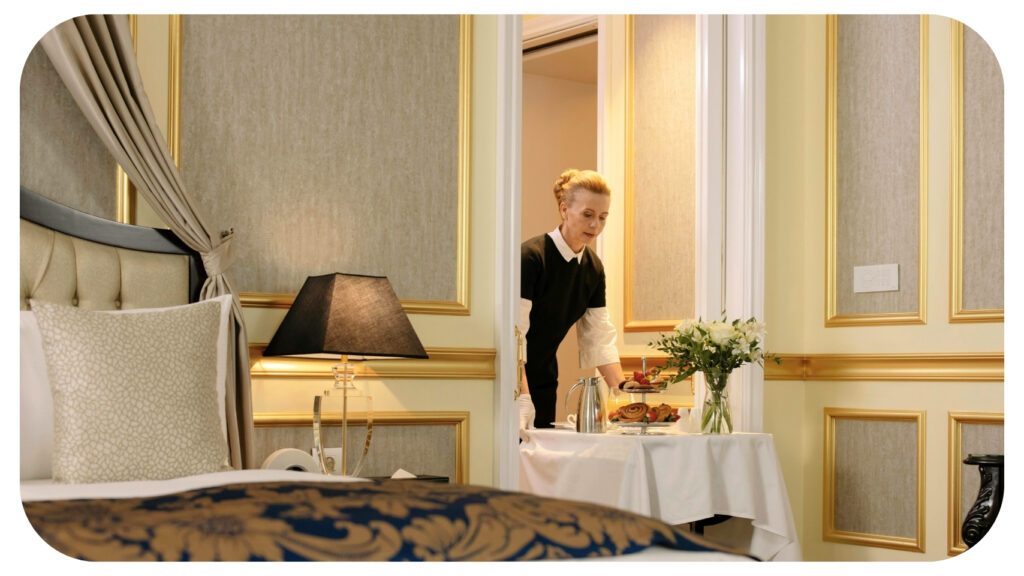
In the hospitality industry, first impressions matter, but lasting impressions matter more. While the lobby may be the initial visual handshake between a hotel and its guests, the true measure of a five-star brand lies in the consistency and quality of every touchpoint throughout the guest journey. From the reservation process to the final checkout, each interaction contributes to the overall perception of the brand. Hotels that understand this principle invest not only in aesthetics but in operational excellence, service culture, and thoughtful details that elevate the entire experience.
Seamless Digital Interactions
Today’s guest journey often begins online. Whether booking through a hotel’s website, a third-party platform, or a mobile app, the digital experience sets the tone for what guests expect. A well-designed, intuitive booking interface reflects professionalism and reliability. Confirmation emails, pre-arrival messages, and mobile check-in options all contribute to a sense of preparedness and personalization.
Hotels that prioritize digital touchpoints also benefit from operational efficiency. Automated systems reduce wait times, streamline communication, and allow staff to focus on in-person service. These investments in technology are about reinforcing the brand’s commitment to excellence from the very first click.
Guestroom Details That Speak Volumes
Once guests enter their rooms, the brand promise is put to the test. Cleanliness, comfort, and thoughtful amenities are non-negotiable. The quality of the bed, the softness of the towels, and the functionality of lighting and climate controls all contribute to the guest’s sense of care and attention.
One often-overlooked but critical element is the sourcing of linens. Partnering with a trusted hotel linen supplier ensures consistency in quality, durability, and presentation. High-quality linens not only enhance comfort but also signal a commitment to luxury and hygiene. Guests may not consciously analyze thread count or stitching, but they will notice if something feels off. Investing in premium linens is a subtle yet powerful way to reinforce a five-star standard.
Service That Anticipates Needs
Exceptional service is proactive, not reactive. Five-star brands distinguish themselves by anticipating guest needs and delivering solutions before problems arise. This requires a well-trained, empowered staff who understand the importance of empathy, discretion, and responsiveness.
From remembering a returning guest’s preferences to offering personalized recommendations, service should feel effortless and genuine. Staff should be equipped with the tools and authority to resolve issues quickly and gracefully. These moments of thoughtful engagement build emotional loyalty and turn satisfied guests into brand advocates.
Dining and Amenities That Reflect Identity
Restaurants, bars, spas, and fitness centers are extensions of the hotel’s identity. The design, menu, and service style should align with the brand’s values and target audience. Whether it’s a rooftop cocktail lounge or a wellness-focused juice bar, these spaces offer opportunities to deepen the guest experience.
Consistency across amenities is key. A hotel that markets itself as eco-conscious should reflect that in its dining options, spa products, and even pool maintenance practices. Guests notice when the brand story is coherent and authentic across all touchpoints. These details contribute to a sense of trust and reinforce the brand’s positioning in the market.
Feedback Loops That Drive Improvement
No brand is perfect, but the best ones are always improving. Creating effective feedback loops allows hotels to learn from guest experiences and make meaningful changes. Post-stay surveys, online reviews, and direct conversations provide valuable insights into what is working and what needs attention.
More importantly, acting on feedback demonstrates respect for the guest’s voice. When hotels respond to concerns with transparency and urgency, they show that quality is a continuous process. This commitment to growth builds credibility and strengthens the brand’s reputation over time.
Conclusion
Building a five-star brand goes far beyond the visual appeal of a grand lobby. It requires a holistic approach that considers every guest interaction as an opportunity to reinforce excellence. From digital interfaces and in-room details to personalized service and coherent amenities, each touchpoint plays a role in shaping perception. Hotels that invest in these areas create experiences that resonate, inspire loyalty, and stand out in a competitive landscape. True five-star quality is not just seen; it is felt, remembered, and shared.


Most Inside Editorial Team
MostInside is a trusted publication helping people navigate real decisions across health, finance, career, home, relationships and technology since 2009. Straight to What Matters.