

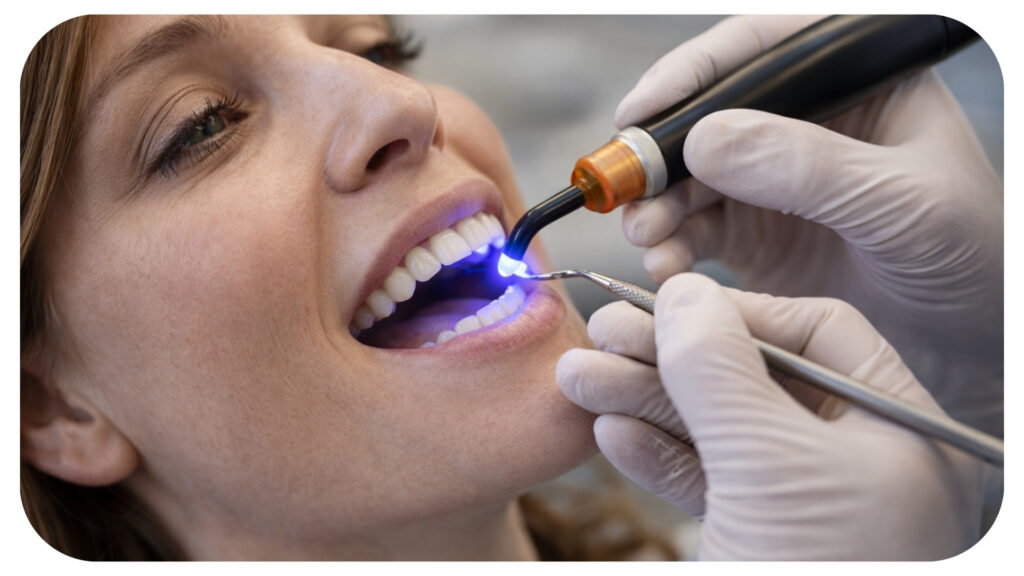
Everyday dental care shapes how you eat, speak, and show emotion. Small changes can ease pain, prevent damage, and calm worry about how your teeth look. This blog explains how simple cosmetic steps support your daily routine. You learn how tiny reshaping, careful whitening, and tooth colored repairs protect your teeth while improving your smile. No extreme makeovers. Just quiet upgrades that fit your normal brushing, flossing, and checkups. A San Jose dentist can smooth rough edges, close small gaps, and correct stains that regular cleaning cannot touch. These changes can make brushing easier and reduce places where plaque hides. They can also ease the shame that keeps you from smiling or seeking care. You deserve a mouth that feels comfortable and looks natural. Small, smart choices can help you reach that goal without turning your life upside down.
Why subtle cosmetic care matters for daily life
You use your teeth every waking hour. You chew, sip, talk, and show emotion. When teeth chip, stain, or shift, you feel it every day. You might chew on one side. You might cover your mouth when you laugh. You might rush through brushing because your gums feel sore.
Quiet cosmetic changes can solve three common problems.
- Rough or sharp spots that scrape your cheek or tongue
- Crowded or uneven teeth that trap food
- Stains that do not respond to regular cleaning
When you correct these problems, you protect your teeth and gums. You also protect your mood. You feel more willing to smile, speak up, and seek care when you need it.
Simple cosmetic options that support routine care
Subtle cosmetic care often uses three tools. Tooth reshaping. Professional whitening. Tooth colored bonding or fillings. Each one changes how you care for your teeth at home.
Tooth reshaping
Tooth reshaping uses gentle trimming and polishing. The goal is to smooth rough spots and even out small chips. You keep your natural tooth. You remove tiny layers of enamel in specific spots.
This can help you.
- Brush more easily along smooth edges
- Reduce biting of your cheek or lip
- Lower stress on teeth that carry more force
You see the change right away. You also feel the change when you run your tongue along your teeth.
Careful whitening
Many people try to store whitening products. Some feel severe pain or burning. Others see no change. Professional whitening uses safe gel and trays that fit your mouth. The process respects your enamel and gums.
Whitening can help you.
- Feel more eager to brush and floss
- Let your dental team see early signs of decay or cracks
- Match color before a filling or crown
The National Institute of Dental and Craniofacial Research explains that enamel protects against decay. Any whitening plan must protect that shield. You and your dentist can choose a pace that respects your teeth.
Tooth colored bonding and fillings
Tooth colored material can repair chips, fill small gaps, and cover stains. It blends with your natural tooth. It also seals out food and germs.
Bonding and modern fillings can help you.
- Close tiny spaces that collect plaque
- Repair worn edges before they fracture
- Restore old metal fillings that leak or stain
When surfaces are smooth and sealed, your toothbrush and floss work better. Your routine care gains strength.
Comparing subtle cosmetic choices
| Treatment | Main purpose | Typical visits | Effect on daily care |
|---|---|---|---|
| Tooth reshaping | Smooth rough or uneven edges | Usually 1 short visit | Makes brushing simpler and more comfortable |
| Professional whitening | Lighten deep stains | 1 to 3 visits | Encourages regular brushing to keep color |
| Tooth colored bonding | Repair chips and close small gaps | 1 visit for most teeth | Reduces plaque traps between teeth |
| Tooth colored fillings | Treat decay and match tooth shade | 1 visit per tooth | Seals decay and support chewing and flossing |
How these changes protect your health
Cosmetic care often sounds optional. In truth, small changes can support real health goals. The Centers for Disease Control and Prevention connects poor oral health with pain, missed school or work, and serious infection.
Subtle cosmetic work can help you.
- Reach spots that were hard to clean before
- Catch decay early when it needs smaller treatment
- Reduce gum irritation from rough edges or crowding
When your mouth feels easier to clean, you are more likely to keep up daily habits. That steady routine protects you far more than one big treatment.
Supporting children and older adults
Quiet cosmetic care can help every age group. Three groups often see strong gains. Children with chips from early falls. Teens with stains from braces. Older adults with worn front teeth.
Children may need simple smoothing or small bonding. This can protect their self respect at school. It can also protect baby teeth until they falself-respectir own.
Teens may carry deep marks from braces or sports injuries. Safe whitening and bonding can give them courage to speak and smile. That courage can shape social life and set the school’s success.
Older adults often live with worn edges or old metal fillings. Tooth colored repairs can support chewing, protect cracks, and reduce sharp spots that cut the tongue.
Questions to ask your dentist
Before you choose any cosmetic step, ask three key questions.
- How will this change help my daily brushing and flossing
- How long will the result last with normal care
- What are simple signs that something needs repair
Also, ask for a clear plan. You can request photos, shade guides, and cost details. You deserve honest answers in plain language.
Simple steps you can start today
You do not need a full treatment plan to start improving your mouth. You can begin today with three habits.
- Brush with fluoride toothpaste twice a day for two minutes
- Floss or use another cleaner between teeth once a day
- Schedule a checkup and cleaning at least twice a year
During your next visit, talk about small cosmetic changes. Ask which teeth cause the most wear, pain, or embarrassment. Then work with your dentist to plan one or two quiet upgrades that fit your life.
Your mouth does not need to look perfect. It needs to feel safe, clean, and steady. Subtle cosmetic improvements can help you reach that point and keep you there, one simple step at a time.




Leave a Reply