
Everything To Know About Repairing Your Roof
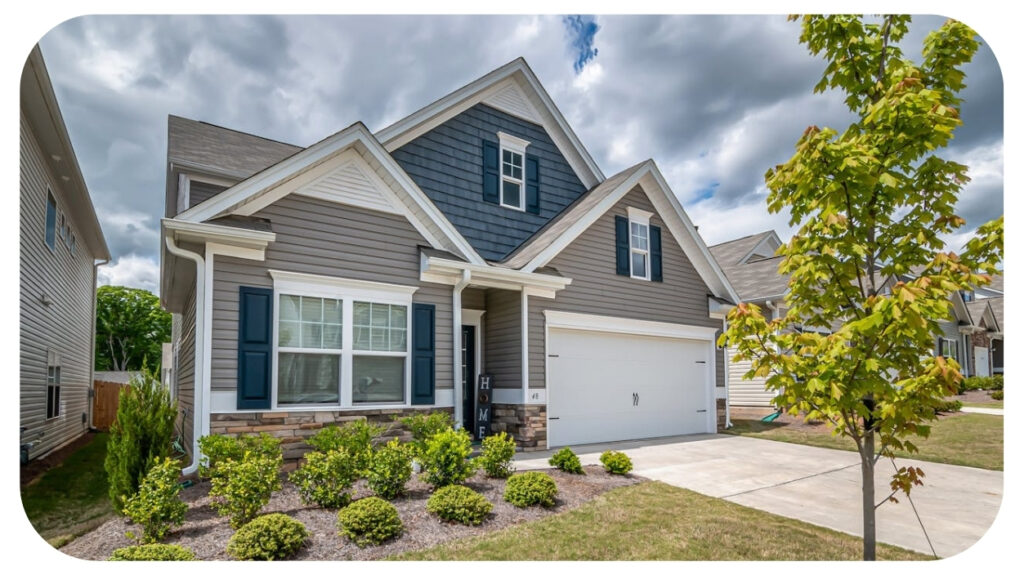
Roof repairs are an unavoidable part of homeownership, and addressing them properly helps protect both the structure and value of your home. Many homeowners postpone repairs because damage is not always obvious from the ground. However, roofing issues rarely improve on their own and typically worsen with time and weather exposure. Even minor damage can allow moisture to enter, leading to costly interior problems.
Understanding the basics of roof repair helps homeowners make informed decisions. Knowledge reduces stress and prevents unnecessary expenses.
Common Signs That Your Roof Needs Repair
Recognizing early warning signs helps prevent major repairs. Missing or cracked shingles are often the first visible indicators of damage. Water stains on ceilings or walls suggest leaks that may originate above. Granules collecting in gutters often signal shingle deterioration. Sagging areas indicate structural concerns that require immediate attention.
Other signs include loose flashing, damaged vents, or exposed nail heads. Storms can cause problems that are not immediately visible. Regular inspections improve detection. Early identification reduces repair scope. Awareness protects long term durability. Observation is crucial.
Understanding the Causes of Roof Damage
Roof damage can result from multiple sources, including weather, age, and improper installation. High winds can lift shingles and loosen flashing. Heavy rain exposes weak points in the roofing system. Heat and UV exposure break down materials over time. Aging roofs naturally become more vulnerable.
Improper installation also leads to premature failure. Incorrect nailing or poor ventilation accelerates wear. Debris accumulation causes moisture retention. Animal activity may damage shingles or openings. Understanding causes helps prevent recurrence. Diagnosis guides proper repair.
Knowing What Repairs Can Address Versus Replacement
Not all roof problems require full replacement, but understanding the limits of repair is important. Isolated shingle damage or flashing issues are often manageable with targeted repairs. Small leaks caught early can be sealed effectively. Repairs extend roof lifespan when damage is localized.
Widespread deterioration or structural damage often signals replacement need. Repeated repairs on an aging roof may cost more over time. Professional assessment determines the best option. Comparing repair costs against remaining lifespan helps decision making. Repairs are not always economical. Knowing when to repair versus replace saves money.
The Importance of Professional Roofing Inspections
Professional inspections provide clarity homeowners cannot achieve alone. Roofers evaluate areas not visible from the ground or attic. Moisture meters and expertise reveal hidden damage. Inspections help determine severity and scope of work. Accurate assessment prevents incomplete repairs.
Professionals also identify issues related to ventilation and flashing. These components are critical to roof performance. Detailed inspections support insurance claims when applicable. Accurate evaluation improves repair outcomes. Professional insight adds value. Expertise matters.
Choosing the Right Roofing Repair Contractor
Selecting the right contractor greatly influences repair quality. Homeowners should verify licensing, insurance, and local experience. Written estimates should outline scope and materials clearly. Transparent communication prevents misunderstandings. References and reviews offer insight into reliability.
Many homeowners seek Austin Roofing professionals because local experience improves understanding of climate and material performance. Local contractors are familiar with regional codes and weather impacts. Reliable professionals adhere to safety standards. Proper selection reduces risk. Trust improves results.
Timing Roof Repairs for Best Results
Timing affects both repair effectiveness and cost. Weather conditions influence scheduling and safety. Dry seasons often allow smoother work. Emergency repairs may be required after storms. Acting quickly prevents damage from worsening.
Homeowners should avoid unnecessary delays. Temporary fixes are not substitutes for proper repair. Coordinating repairs ahead of extreme weather improves results. Planning reduces disruption. Timing supports durability. Scheduling matters.
What to Expect During the Roof Repair Process
The repair process typically begins with site preparation and safety measures. Contractors protect landscaping and interior spaces. Damaged materials are removed and inspected. Underlying issues are addressed before replacing components. Repair quality depends on preparation.
Noise and debris are normal during repairs. Most repairs are completed quickly depending on scope. Cleanup should be thorough. Homeowners should communicate expectations. Understanding the process reduces anxiety. Awareness supports cooperation.
Understanding Repair Costs and Estimates
Repair costs vary based on damage extent, materials, and labor. Minor repairs are usually affordable, while structural repairs increase expense. Detailed estimates help homeowners understand cost drivers. Hidden damage may increase final costs. Transparency is important.
Comparing multiple estimates reveals inconsistencies. Low bids may indicate shortcuts. Quality materials cost more but last longer. Value should guide decisions. Budgeting reduces surprises. Cost clarity helps planning.
Insurance Considerations for Roof Repairs
Insurance may cover repairs caused by sudden events such as storms. Homeowners should review policy details. Prompt notification improves claim success. Documentation supports coverage evaluation. Insurers often require professional assessments.
Not all damage is covered, especially wear related issues. Deductibles influence out of pocket costs. Understanding coverage prevents disappointment. Coordinating repair timing with claims is critical. Insurance helps manage expense. Awareness saves time.
Preventing Future Roof Damage Through Maintenance
Proper maintenance reduces repair frequency and cost. Regular inspections catch issues early. Cleaning gutters prevents water backup. Trimming overhanging branches reduces impact damage. Maintenance extends roof lifespan.
Homeowners should schedule inspections annually or after storms. Small repairs prevent large failures. Preventive efforts are cost effective. Ongoing care improves reliability. Maintenance protects investment. Prevention reduces stress.
Conclusion
Repairing your roof requires understanding damage signs, causes, and repair limits. Timely action prevents minor issues from becoming major problems. Professional inspections and skilled contractors improve outcomes. Proper planning and clear expectations reduce stress and cost. Maintenance supports durability long after repairs are complete. Informed homeowners make better roofing decisions.


Most Inside Editorial Team
MostInside is an independent publication focused on growth across lifestyle, business, finance, sports, and digital authority, prioritizing long term value and enduring credibility.