
How Eye Doctors Tailor Treatments For Patients With Allergies
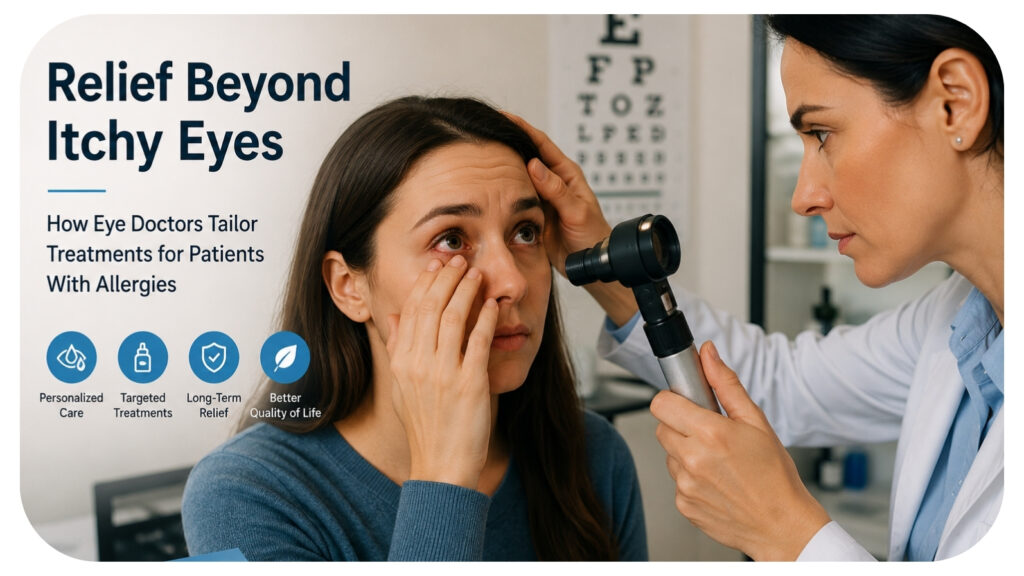
You might be at the point where your eyes itch so much you want to rub them raw, yet every drop you try either stings, does nothing, or seems to help for a day before the redness and swelling return. Maybe you have been told it is “just allergies” and handed an over the counter drop, but you still cannot wear your contacts comfortably or make it through a workday without wanting to close your eyes. At the same time, you may be worried about long-term issues and wondering where to find specialized glaucoma care in Austin.
That gap between “just allergies” and how miserable you actually feel is very real. Eye allergies can affect how you work, drive, read, or care for your family, and over time they can drain your energy and your patience. The good news is that an experienced eye doctor rarely treats every allergy patient the same way. Treatment is usually customized to your symptoms, your triggers, and your daily life, so you can get relief that actually fits you.
In simple terms, here is the path ahead. Your eye doctor will first figure out what kind of allergy problem you have, then look at your health history, your habits, and your current medications, and finally build a step-by-step plan that can include lifestyle changes, allergy drops, oral medicines, and sometimes more advanced treatments. The goal is not just to calm your eyes today, but to keep them comfortable through allergy seasons and beyond.
Why do some eye allergy treatments work for others but not for you?
Allergic eye symptoms can look similar on the surface. Redness, itching, tearing, swelling. Yet the causes and severity can be very different. Some people have mild seasonal allergic conjunctivitis tied to pollen. Others have more stubborn conditions like vernal or atopic keratoconjunctivitis that can even threaten vision if they are ignored. You can read more about the common types of allergic conjunctivitis in this helpful overview from the American Academy of Ophthalmology’s EyeWiki at this clinical summary on allergic conjunctivitis.
Because of these differences, a single “standard” drop will not fit everyone. If you wear contact lenses, for example, some preservatives in allergy drops can make your eyes worse. If you already use glaucoma drops or have dry eye, your eye doctor has to balance allergy control with protection of the eye surface. If you have asthma, eczema, or strong reactions to pets or dust, your allergies might be part of a bigger pattern that needs a broader plan.
So where does that leave you when you are just trying to stop the itching and get through your day?
First, an eye doctor pays attention to the story of your symptoms. Do your eyes flare up every spring near trees or grass, or only at work around air conditioning and dust? Do they get worse when you put in contacts or eye makeup? Have you ever had light sensitivity or thick mucus discharge that makes your eyelids stick together? These details help narrow down what kind of allergic problem you have and how aggressive treatment needs to be.
Next comes the exam. Your doctor will look at the eyelids, the clear surface of the eye, and the inner lining of the lids. Certain patterns, like “cobblestone” bumps under the upper lid or thickened skin around the eyes, point to more chronic allergy types. In some cases, especially with severe or long-standing problems, your doctor may coordinate with an allergist to explore skin or blood tests for specific triggers, as described in this MedlinePlus overview of allergic conjunctivitis causes and diagnosis.
Once the type and severity are clear, your eye doctor can begin to tailor treatment, rather than just rotating through random drops and hoping one works.
How do eye doctors personalize allergy treatment in real life?
Think about three different people. One is a teenager who plays outdoor sports and has intense itching every spring. Another is an office worker who stares at screens all day and wears contact lenses ten hours at a stretch. The third is an older adult with dry eye, glaucoma drops, and year-round nasal allergies. All three may complain of “eye allergies,” but their treatment plans should look very different.
For the teen athlete, the eye doctor might focus on strong antihistamine and mast-cell stabilizer drops used before and after outdoor exposure, cold compresses, and strict avoidance of eye rubbing, which can damage the cornea. For the contact lens wearer, the plan might include switching to daily disposable lenses, choosing preservative-free allergy drops, and adjusting screen habits, because reduced blinking worsens both dryness and allergy symptoms. For the older adult, the doctor has to protect the already fragile tear film, coordinate allergy drops with glaucoma medication schedules, and consider lubricating drops or gels to reduce irritation from multiple drugs.
There is also the question of when to use steroid drops. These can be very effective in calming severe inflammation, yet they carry risks like increased eye pressure and cataract formation if used too long. A careful eye doctor will usually use the lowest effective steroid strength for the shortest possible time, with close follow up, then shift to safer long-term options once the flare is under control. Clinical guidance on these choices is outlined in resources such as this NCBI chapter on allergic conjunctivitis management.
All of this takes time, which is why a brief urgent care visit often cannot provide the same level of customization that a dedicated eye allergy visit with an optometrist or ophthalmologist can offer.
What are the real tradeoffs between different eye allergy options?
When you are tired of trial and error, it helps to see the main choices side by side. Below is a simple comparison of common approaches an eye doctor might discuss with you.
| Treatment approach | Typical benefits | Common limits or risks | Who it often suits best |
|---|---|---|---|
| Over the counter allergy drops | Easy to get. Often good for mild, occasional symptoms. Lower cost. | May not be strong enough. Some contain preservatives that irritate. People often overuse redness “relief” drops. | People with mild, seasonal symptoms who do not wear contacts or use many other eye drops. |
| Prescription antihistamine / mast-cell stabilizer drops | Stronger relief. Can prevent flare ups if used regularly. Target the allergy process more directly. | Need a prescription. Can sting briefly. Must be timed around contact lens use. Cost varies with insurance. | Those with moderate or frequent allergic conjunctivitis who need daily control. |
| Short course steroid eye drops | Rapid control of severe redness, swelling, and itching. Helpful in serious or chronic allergic eye disease. | Need close monitoring. Can raise eye pressure and increase cataract risk if used too long or too often. | Patients with severe or vision threatening allergy flares, managed by an eye specialist. |
| Environmental control and oral allergy meds | Reduce overall allergy load. Can help both nose and eyes. Often easy to start. | Oral meds can cause dryness or drowsiness. Environmental changes can be hard or costly. | People with combined nasal and eye allergies or strong triggers like dust mites or pet dander. |
This kind of comparison is part of how an eye doctor customizes care. The goal is to combine options in a way that fits your symptoms, your budget, and your daily routine, rather than relying on a single “magic” drop.
What can you do right now to help your eye doctor help you?
Tailored care works best when you bring clear information and take a few simple steps on your own. Here are three actions that can make a real difference.
1. Track your symptoms and triggers for two weeks
Write down when your eyes bother you the most, what you were doing, and anything that seemed to help or worsen the symptoms. Pay attention to:
- Time of day and season
- Whether you were indoors or outdoors
- Contact lens wear, makeup, or skin products around the eyes
- Pets, dust, fans, or air conditioning
Bring this record to your appointment. It gives your eye doctor a clearer picture and supports a more precise plan for allergy-focused eye care.
2. Protect your eyes while you wait for your appointment
There are small changes that can lower your discomfort, even before a tailored treatment plan is in place.
- Use cool compresses on closed eyes for a few minutes to ease itching and swelling.
- Avoid rubbing your eyes, even though it is tempting. Rubbing releases more histamine and can harm the cornea.
- Consider wearing wraparound sunglasses outdoors to reduce pollen and wind exposure.
- If you wear contacts, limit wear time on high-allergy days or switch to glasses when symptoms are bad.
3. Ask targeted questions during your eye visit
When you see an Eye Doctor, go in with a short list of questions that keep the focus on personalized care. For example:
- “Do you think my allergies are mild, moderate, or severe, and what does that mean for treatment?”
- “Are the drops you are prescribing safe with my contacts and any other eye meds I use?”
- “What signs should make me call you sooner, rather than waiting for the next visit?”
- “Is there anything I can change at home or work to support the treatment plan?”
Clear answers to these questions help you understand why certain choices are being made, and how to use your treatment correctly for the best results.
Moving forward with confidence about your eye allergies
Living with eye allergies can feel draining, especially when it seems like you have tried everything and still end up red, itchy, and frustrated. You are not imagining it. Allergic eye disease is more than a minor annoyance, and it deserves the same careful attention as any other chronic condition.
When you work with an eye doctor who listens to your story, examines your eyes closely, and tailors treatment to your specific type of allergy, your other health issues, and your routine, your chances of real relief improve. You do not have to settle for “just allergies” when your eyes are telling you there is more going on.
The next step is simple. Schedule a visit with an eye care professional and bring your questions, your symptom notes, and your willingness to try a plan that is truly built around you. That is how how eye doctors tailor treatments for patients with allergies stops being an abstract idea and becomes your path to clearer, calmer, more comfortable eyes.
Recommended: Eyes on the Prize: Prolonging Healthy Vision

Recommended For You
How Does Robotic Surgery Function

Most Inside Editorial Team
MostInside is an independent publication focused on growth across lifestyle, business, finance, sports, and digital authority, prioritizing long term value and enduring credibility.