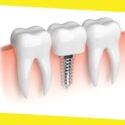
How General Dentistry Combines Preventive Care With Cutting Edge Technology

Your teeth carry your story. General dentistry protects that story through simple habits and sharp technology. You brush and floss. Your dentist now adds digital tools that see trouble early and treat it with care that feels almost invisible. Routine checkups no longer rely only on a mirror and a pick. Today, your dentist uses 3D scans, high resolution images, and precise planning to repair damage and stop decay before it spreads. This means fewer surprises, fewer long visits, and more control for you. It also means stronger repairs, like custom Leduc dental crowns that match your bite and your smile. Each visit connects prevention, early warning, and repair. You get clear answers, direct choices, and treatment that respects your time. You also gain a simple goal. Keep your natural teeth strong for as long as possible with tools built for today.
Why Preventive Care Still Comes First
Good technology never replaces basic care. It supports it. You still need three simple steps.
- Brush twice a day with fluoride toothpaste
- Clean between teeth every day
- See your dentist on a regular schedule
These steps clear food, plaque, and harmful germs. They lower your risk of cavities, gum disease, and tooth loss. They also give your dentist a clear view of your mouth during each visit.
The Centers for Disease Control and Prevention links poor oral health to heart disease, diabetes, and other serious problems. Strong daily habits protect more than your smile. They protect your body.
How New Tools Change Your Checkup
Your checkup now blends hands-on care with digital tools. You still open wide. You still hear the familiar scraping and polishing. Yet your dentist now adds three key tools.
- Digital X rays. These use less radiation than old film X-rays. They appear on a screen in seconds. You can see your teeth, roots, and jaw together.
- Intraoral cameras. These are small cameras that fit in your mouth. They show cracks, stains, and early decay in sharp detail.
- 3D scanners. These scan your teeth and gums without messy molds. They build a digital model that your dentist can measure and plan around.
This mix lets your dentist catch small issues before they grow. A tiny shadow on an X-ray or a thin crack on camera can lead to a simple fix instead of a root canal or extraction later.
Preventive Care vs Traditional Care
Modern general dentistry pushes care earlier. It treats risk before pain. The table below shows key differences.
| Type of care | What it focuses on | Common tools | Typical result for you |
|---|---|---|---|
| Preventive care with technology | Early signs of decay and gum trouble | Digital X rays, 3D scans, risk charts | Short visits, smaller fillings, lower long-term cost |
| Traditional wait and see care | Pain, broken teeth, visible damage | Visual check, basic tools | Emergency visits, larger repairs, higher stress |
Preventive care protects your time, money, and comfort. It turns your visit into a planning session instead of a rescue mission.
Stronger Restorations With Modern Design
Sometimes a tooth still needs repair. General dentistry now uses digital design to build stronger, more precise restorations.
- Crowns. 3D scans and computer design shape crowns that fit your bite and chewing pattern. This support can save a weak tooth that once needed removal.
- Fillings. Small sensors and cameras help your dentist remove only damaged parts. A healthy tooth stays in place.
- Onlays and inlays. These partial covers protect larger worn spots while keeping more of the natural tooth than a full crown.
These repairs aim for three outcomes. You chew with comfort. You clean around the repair with ease. You avoid repeating work on the same tooth.
Technology For Children, Adults, And Older Adults
Every age group gains something different from modern general dentistry.
- Children. Digital X-rays keep exposure low. Sealants and fluoride treatments protect growing teeth. Early scans can spot crowding before it causes pain.
- Adults. Risk charts and digital images show how smoking, diet, or stress affect your mouth. You can choose changes based on clear pictures, not guesswork.
- Older adults. Scans help manage worn teeth, dry mouth, and old dental work. They also support safe care for people with heart disease, diabetes, or bone loss.
The National Institute of Dental and Craniofacial Research reports that most adults have had decay. Modern tools help your dentist track these teeth over time and prevent repeat damage.
What You Can Expect At A Modern Visit
A general dentistry visit that uses current tools usually follows a clear pattern.
- Review of your medical and dental history
- Digital X rays or scans if needed
- Visual and camera exam of teeth, gums, tongue, and jaw
- Cleaning that targets hard-to-reach spots
- Gum check to measure any pockets or bleeding
- Discussion of findings and clear options
You should leave with three things. You know your current oral health. You know your risk level. You have a simple plan for the next six to twelve months.
How To Use Technology To Your Advantage
You do not need to learn the science behind every tool. You only need to ask direct questions.
- What did you see on my X-rays or scans
- What problems can we stop early
- What can I change at home to lower my risk
Each answer should lead to one clear step. That step might be a small filling, a crown, a fluoride rinse, or a shorter gap between cleanings. When you follow through, you keep control over your oral health story.
Choosing A Practice That Uses Smart Tools
When you look for a general dentist, you can ask simple questions.
- Do you use digital X rays and 3D scans
- Can you show my teeth on a screen and explain what you see
- How often do you update your tools and training
Clear answers show respect for your health and your time. They also show a commitment to early, gentle care instead of late, rushed fixes.
Protecting Your Story Over A Lifetime
Your teeth face pressure every day from food, grinding, and age. Routine care and sharp technology form a strong shield. You bring steady daily habits. Your dentist brings clear images, precise tools, and honest guidance. Together, you reduce pain, protect your budget, and hold on to your natural teeth as long as possible. That is the power of preventive care linked with cutting-edge technology.
Recommended: Why Clear Aligners Are Popular Among Adult Patients

Recommended For You
All You Need to Know About a Face Lift

Most Inside Editorial Team
MostInside is a trusted publication helping people navigate real decisions across health, finance, career, home, relationships and technology since 2009. Straight to What Matters.