
How Orthodontic Tracings Guide Smarter, More Predictable Outcomes
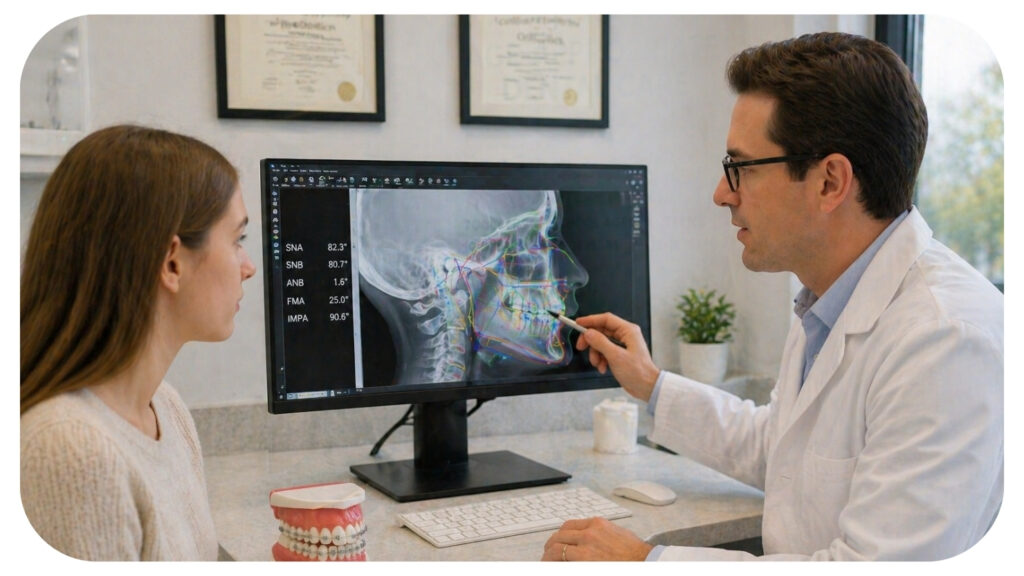
When you start orthodontic treatment, you want clear answers. You want to know what will change, how long it will take, and what your smile will look like. Orthodontic tracings give that clarity. They turn X‑rays into a simple visual plan. They show how your teeth, jaws, and facial bones relate. They help your orthodontist see hidden problems before they cause damage. They also guide each step of your treatment so fewer surprises happen. With tracings, your care team can measure progress and adjust early. That protects your time, your comfort, and your money. Many clinics now connect tracings with secure digital systems and services such as dental IT support San Antonio. That support keeps your records safe and easy to share. You gain a plan that feels steady and honest, not rushed or vague.
What Orthodontic Tracings Are
Orthodontic tracings start with a side view X ray of your head. This is called a cephalometric X ray. Your orthodontist places tracing paper or a digital layer over the image. Then each tooth, bone edge, and key facial point is outlined with care.
From there, your orthodontist draws simple lines and angles. These marks turn a flat X ray into a clear map of how your teeth and jaws fit together. You see
- Tooth position
- Jaw size and tilt
- Growth direction in younger patients
This map guides your treatment from start to finish. It supports decisions that match your face, not just your teeth.
Why Tracings Matter For Your Treatment
Tracings matter for three main reasons. They help your orthodontist
- Plan with accuracy
- Track change over time
- Predict the final look
First, accurate planning. Tracings show if crowding comes from large teeth, small jaws, or both. They show if your bite problem starts in the teeth or in the bone. That guides choices about extractions, expanders, or jaw surgery.
Second, tracking change. Your orthodontist can repeat tracings during treatment. Then they compare angles and distances. If movement slows or shifts in the wrong way, the plan changes early. You avoid long delays and surprise setbacks.
Third, predicting your final look. Teeth sit in bone. Bone shapes your lips and chin. Tracings help your orthodontist see how tooth changes will shape your profile. That protects your face from a flat or strained look.
How Tracings Support Safer Care
Tracings do more than shape your smile. They protect your health. They can reveal
- Impacted teeth that have not erupted
- Bone loss around roots
- Jaw joint strain
When these issues show early, small steps prevent large harm. Your orthodontist can change the force on certain teeth. They can send you to a specialist when needed. You stay ahead of problems instead of chasing them.
The National Institute of Dental and Craniofacial Research explains how X-rays and records help protect teeth and bone during care.
Digital Tracings And Data Security
Many clinics now use digital tracings. Your X-ray appears on a screen. Your orthodontist traces with a stylus. The software stores angles and distances. It can also compare your records to research standards for your age and growth stage.
Digital tracings make it easier to
- Share records with other providers
- Store images for many years
- Review changes with you chairside
Strong digital systems protect your privacy. They use secure servers and strict access rules. Your clinic may also work with trusted IT partners for backup and recovery. That care keeps your health story safe and ready when you need it.
How Tracings Shape Your Treatment Path
Tracings touch each step of your care plan.
- Before treatment. They show if you need early care, full braces, aligners, or jaw surgery.
- During treatment. They guide when to change wires, add elastics, or adjust aligners.
- After treatment. They help judge if your bite is stable and ready for retainers.
For children and teens, tracings also show growth patterns. Your orthodontist can time treatment to match growth spurts. That timing can shorten treatment and improve jaw balance.
Sample Comparison Of Planning With And Without Tracings
| Planning Step | With Tracings | Without Tracings |
|---|---|---|
| Finding cause of crowding | Clear view of tooth size and jaw size | Relies on guess from photos and models |
| Predicting profile change | Lines show lip and chin support | Only rough visual estimate |
| Choosing extractions | Measurements support or reject need | Higher risk of removing teeth you could keep |
| Checking risk to roots | Angles show root position in bone | Greater chance of hidden root strain |
| Tracking progress | Repeat tracings show precise change | Change judged by photos and guess |
What You Can Ask Your Orthodontist
You play a strong role in your care. Simple questions about tracings can bring peace of mind. You can ask
- Will you use cephalometric X-rays and tracings for my case
- What do my tracings show about my bite and profile
- How will you use repeat tracings to track my progress
- How do you store and protect my digital images
These questions invite clear answers. They also show that you want a careful, honest plan.
Helping Your Child Feel At Ease
For a child, tracings can feel scary at first. The process is simple and painless. You can explain three key points.
- The X ray is quick
- The tracing is like drawing on a picture
- The drawing helps the doctor move teeth in a safe way
The American Academy of Pediatric Dentistry gives guidance on safe X-ray use for children. You can review this before your visit.
Key Takeaways For Your Smile Journey
Orthodontic tracings turn guesswork into measured steps. They help your orthodontist
- See the true cause of your bite problem
- Plan treatment that respects your face and profile
- Adjust early when teeth do not move as expected
When you understand tracings, you understand your own care. You see that each wire, aligner, or elastic follows a clear map. That knowledge eases fear. It also supports a result that feels stable and honest for you and your family.


Most Inside Editorial Team
MostInside is an independent publication focused on growth across lifestyle, business, finance, sports, and digital authority, prioritizing long term value and enduring credibility.