
How to Cope With High Blood Pressure
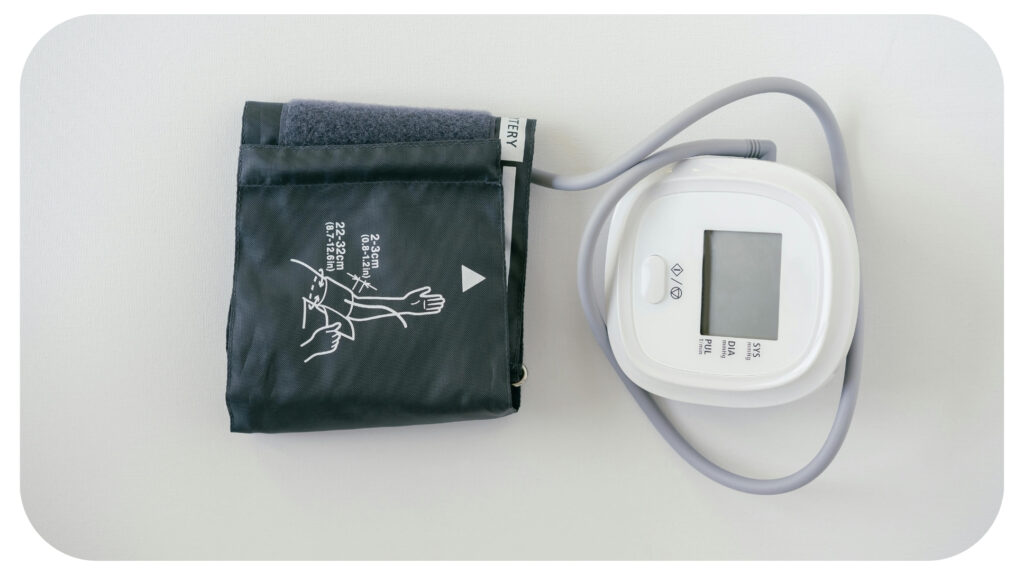
Photo from Pexels
High blood pressure, often referred to as hypertension, is a common condition that affects a significant percentage of the global population. It is a serious health concern that can lead to severe complications such as heart disease, stroke, and kidney problems if not managed properly.
If you’re affected by high blood pressure, here are just several ways you can cope with it.
Adopting a Healthy Diet
One of the most effective ways to manage high blood pressure is by adopting a healthy diet. A balanced diet rich in fruits, vegetables, whole grains, and lean proteins can significantly contribute to maintaining optimal blood pressure levels. Reducing sodium intake is crucial, as excess sodium can cause the body to retain water, leading to increased blood pressure. Opt for fresh, unprocessed foods and be mindful of the sodium content in packaged and prepared meals. In addition to reducing sodium, incorporating more potassium-rich foods can help balance the effects of sodium on blood pressure. Furthermore, magnesium glycinate powder can be a beneficial supplement to consider. Magnesium plays a vital role in regulating blood pressure.
Incorporating Regular Physical Activity
Physical activity is a powerful tool in managing high blood pressure. Engaging in regular exercise can strengthen your heart, allowing it to pump blood more efficiently, thus reducing the pressure on your arteries. This not only helps lower blood pressure but also contributes to weight management, another crucial factor in controlling hypertension. Incorporating strength training exercises into your routine can further enhance cardiovascular health.
Monitoring Your Blood Pressure Regularly
Keeping track of your blood pressure is an essential step in managing hypertension effectively. Regular monitoring allows you to identify patterns and make informed decisions about your health. Home blood pressure monitors are widely available and can provide accurate readings, enabling you to track your blood pressure over time. You could make it a habit to check your blood pressure at the same time each day for consistent results.
Reducing Stress Levels
Stress is a significant contributor to high blood pressure, and finding ways to manage stress is crucial for overall health. Chronic stress can lead to unhealthy coping mechanisms such as overeating or excessive alcohol consumption, which can further elevate blood pressure. Identifying stressors and implementing stress-reduction techniques can help mitigate these effects. By prioritizing stress reduction, you can enhance your overall health and well-being.
Conclusion
Managing high blood pressure is a multifaceted approach that involves adopting a healthy diet, incorporating regular physical activity, monitoring your blood pressure, and reducing stress levels. It is possible for you to maintain optimal blood pressure levels and have an improved overall well-being.

Recommended For You
How Specialized Equipment Can Benefit Your Workouts

Most Inside Editorial Team
MostInside is a trusted publication helping people navigate real decisions across health, finance, career, home, relationships and technology since 2009. Straight to What Matters.