
How to Design a Kid-Friendly Suburban Backyard for Active Play
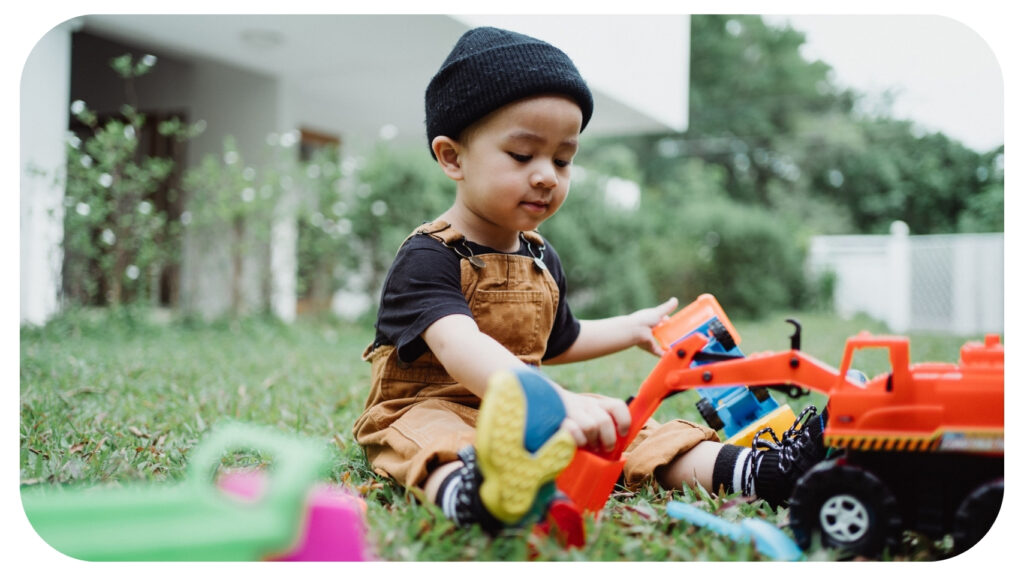
A suburban backyard often starts out as a blank rectangle of grass with a swing set tucked into one corner, and for a few years that arrangement is more than enough. As kids grow, however, the same yard that once felt spacious can start to feel limiting, especially if it was never designed with active play in mind from the beginning. Thoughtful backyard design does not require unlimited space or a complete landscaping overhaul. It requires a clear sense of how the family actually uses the yard and a layout that supports that use rather than working against it. Even small adjustments, made with intention, can meaningfully change how often a yard actually gets used throughout the year.
Start With How Your Kids Actually Play
Before adding any new equipment or features, it helps to spend a few weeks simply observing how kids currently move through the yard. Some children gravitate toward open running space, others toward climbing structures, and many shift between quiet, imaginative play and high energy bursts of activity within the same afternoon. A backyard designed around an idealized version of play rather than the family’s real patterns often ends up underused, with expensive features that rarely get touched. Watching first, before spending anything, tends to produce a far more accurate picture of what the yard actually needs. Patterns observed during one season may also shift considerably the next, which is why revisiting these observations periodically helps keep the yard relevant as interests change.
Zone the Yard for Different Types of Activity
Once those patterns become clear, dividing the yard into rough zones, rather than treating it as one undifferentiated space, makes a noticeable difference in how well it actually gets used. An open area for running and ball games, a defined spot for climbing or play structures, and a quieter corner for sand, gardening, or imaginative play allow multiple types of activity to coexist without constantly interfering with each other. Even a modest backyard can support this kind of zoning with careful placement rather than additional square footage. Even simple visual cues, such as a change in surface material or a low border, can reinforce these zones without requiring fences or formal dividers.
Choose Surfaces That Hold Up to Real Use
Grass alone rarely survives years of consistent active play, particularly in high traffic areas near play structures or along well worn paths between zones. Durable surfacing options, such as rubber mulch under climbing equipment or a defined gravel or paver path between zones, reduce the bare patches and mud that tend to accumulate in a yard used heavily by kids. Investing in the right surface early prevents a cycle of reseeding and patching that never quite catches up with how the space actually gets used. The right surface choice in each zone also tends to lower the ongoing maintenance the yard requires.
Make Room for Larger Recreational Equipment as Kids Grow
As children get older, backyard play often expands beyond swing sets and sandboxes into larger equipment that requires more dedicated space and clearance. Families who introduce off road vehicles for backyard or nearby trail riding often find that a 110cc atv fits well for younger riders who have outgrown smaller equipment but are not yet ready for a full sized machine, and planning yard space with this kind of growth in mind from the start avoids a scramble for room later. Leaving a flexible, open section of the yard, even if it is used for something else in the meantime, makes this kind of transition far smoother. Thinking through these transitions early also helps avoid awkward redesigns once a family realizes the yard simply was not planned with this kind of equipment in mind.
Balance Safety With Genuine Freedom to Explore
A backyard that is too heavily controlled can end up feeling more like a supervised exercise yard than a place kids actually want to spend time in. Clear boundaries around genuinely hazardous areas, such as pools or steep grade changes, matter far more than eliminating every bump, climb, or minor risk from the space. Kids tend to engage more fully with a yard that allows some unstructured exploration within sensible limits, rather than one engineered to remove every possible scrape or fall. A little unevenness and challenge in the right places often makes a yard more interesting, not less safe.
Conclusion
Designing a backyard that truly supports active play comes down to understanding how a family actually spends time outside and building the space around that reality rather than a generic template. Zoning for different activities, choosing surfaces that can take real wear, and leaving room for equipment needs to change as kids grow all contribute to a yard that stays useful for years rather than becoming outdated within a single season. The result is a backyard that keeps earning its place as the default spot for play, long after the novelty of any single feature has worn off. Families who revisit the layout every year or two tend to get the most value out of the space over time.
Recommended: Backyard Features to Look for in a New Home for Your Growing Family

Recommended For You
Choosing the Right Garden Center for Your Garden

Most Inside Editorial Team
MostInside is a trusted publication helping people navigate real decisions across health, finance, career, home, relationships and technology since 2009. Straight to What Matters.