How You Can Keep Water Off Your Windshield During Heavy Rain
This post was last updated on August 18th, 2025
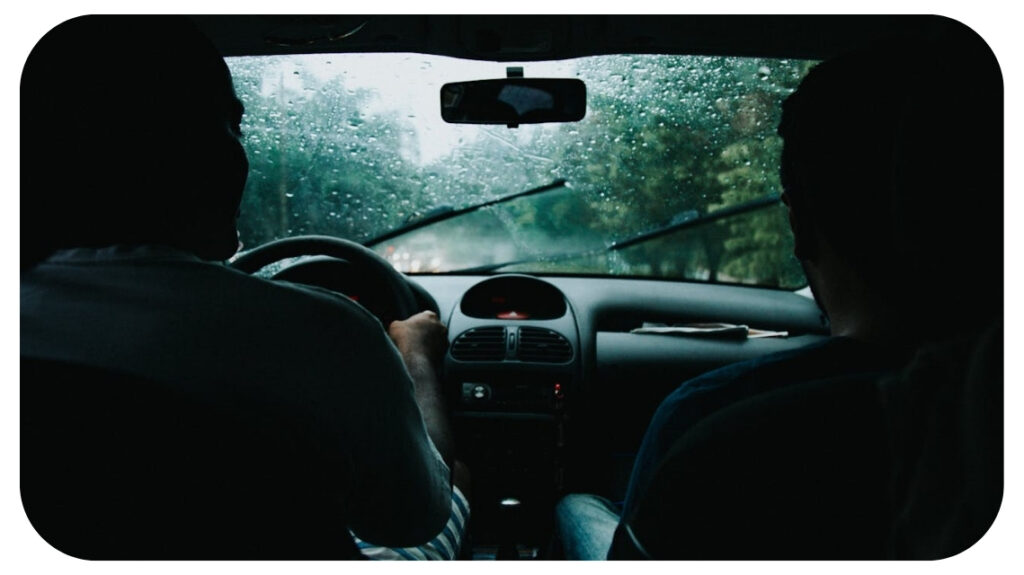
When heavy rainfall occurs, there are often concerns related to how water affects driving visibility. In these conditions, keeping the windshield clear becomes an ongoing effort involving several steps and actions. While the challenge may seem difficult at times, there are usually basic methods that could offer some help.
Looking into these options might provide ways to manage the situation more effectively when rain starts to interfere with a clear field of view.
Wiper condition plays a role in removing water
Drivers mostly on the road use their windscreen wipers when it rains. When the blades are damaged or misaligned, it will cause a problem that will prevent the removal of water. You can improve a wiper’s performance by replacing old blades and checking for even pressure. A regular check can prevent buildup, which impacts the contact between the blade and glass. It is also useful to check the materials for cracks or bends, as some may break down faster depending on use. The wipers are supposed to clear the windshield completely. If they don’t work properly, other methods may not perform well either.
Surface condition affects water movement
When a windshield has been soiled by road dust, dirt, and airborne materials, it will be less efficient at shedding water. If the glass is free of overlapping layers of residue, the wipers will come into contact more easily and not leave streaks. Clean surfaces allow water to flow off faster and more easily. Tiny particles can delay water flow over a surface. When not properly treated for a long time, the buildup can reach a sticky or dull stage that makes the vision blurry. As part of routine yearly maintenance, cleaning may help reduce damage over time and improve visibility.
Water resistance may improve with products
Many products change the behavior of water on a windshield. These products don’t allow water to spread on the glass. If utilized appropriately, they may reduce rainwater buildup on the surface. This coating improves windshield performance by preventing water from spreading. When the wipers are active, this advantage keeps a larger portion of the driver’s field of vision clear. Different treatment methods are applied as thin layers since they vary in design. This layer may stick to the surface and affect how liquids behave. For example, using a windshield treatment for rain can improve visibility during storms as water beads and rolls off better. The impact will vary depending on the speed, product, and cleanliness of the windscreen.
Vehicle speed may influence how water clears
When the car goes fast, the air traveling over the windscreen can help push away rainwater. When the surface has been smoothed out or treated, the airflow may be good enough to reduce reliance on wipers during lighter rains. Even though it won’t take the place of wipers, it can increase the speed at which water leaves the glass. The windshield’s specific angle matters, since the steeper it is, the faster the water runs off. You may notice that at low speed, more water collects before actually clearing. At times, it might not be possible to adjust your speed due to road conditions, but understanding how speed influences water removal can help you plan a response when visibility is poor. Combining speed awareness with other actions can produce better results.
Environmental factors may change solution needs
The protection needed for a vehicle will vary due to the local weather conditions and daily patterns of rain. For example, commuters may get more rain exposure than residents with covered parking. Drivers in dusty or humid weather often have progressive windshield difficulties. After a lengthy dry time, many drivers notice their windshield acts differently in the first rain. The impact of water on the windscreen, combined with where it lands, can result in added residue. This combination would need attention using a cleaner and a protective product. If parked outside, vehicles will initially accumulate debris more quickly. You can determine when to properly care for the glass by interpreting the effects of weather on your environment.
Conclusion
Using quality windshield wipers is a good way to keep the water off the windshield. When the windshield gets wet, you may be able to clear your view thanks to mechanical tools like wipers or applied products that modify surface interaction. Results may differ depending on use and climate – surface preparation and good working components may help in reducing problems during rain. By looking at the available options, a better maintenance plan can be obtained.

Recommended For You
5 Tips for Handling Your Motorcycle Safely at Home

Most Inside Editorial Team
MostInside is a trusted publication helping people navigate real decisions across health, finance, career, home, relationships and technology since 2009. Straight to What Matters.