
If You Beekeep and Are Having Trouble, Here’s What You Can Do
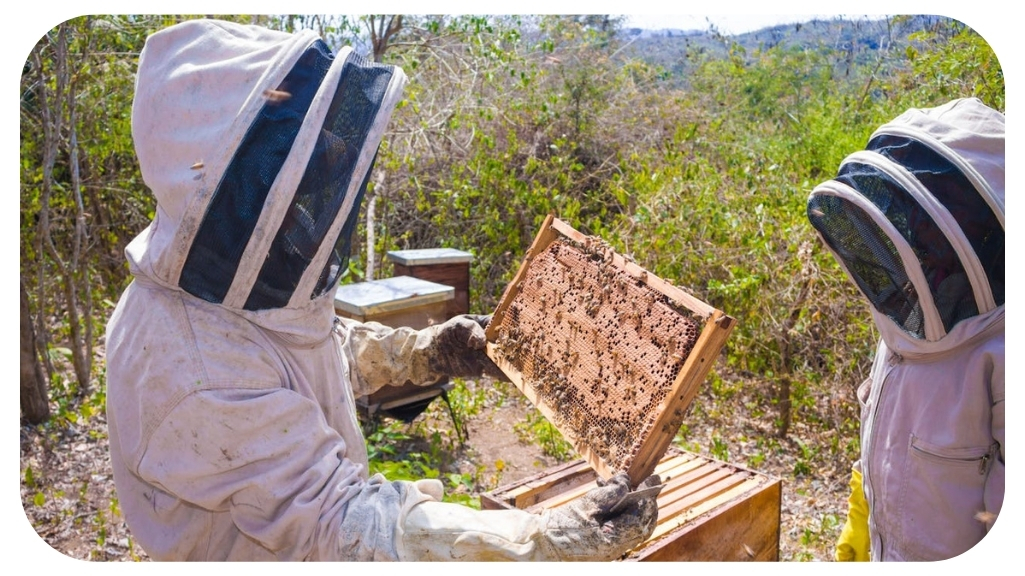
Beekeeping challenges are common, especially as colonies respond to environmental changes, seasons, and stressors. Even experienced beekeepers encounter setbacks from time to time. Problems can appear suddenly or develop slowly over weeks. Addressing issues early often prevents long-term damage to the hive. With the right approach, most beekeeping problems can be identified and corrected.
Identify the Specific Problem First
The first step in resolving beekeeping issues is accurate diagnosis. Symptoms such as declining population, lack of brood, or aggressive behavior can point to different underlying causes. Inspecting frames, brood patterns, and food stores reveals valuable clues. Avoid reacting before fully understanding the situation. Clear identification prevents incorrect or unnecessary interventions.
Check for Queen–Related Issues
The queen plays a central role in hive health. A failing or missing queen often results in poor brood production and population decline. Signs of queen problems include erratic brood patterns or an abundance of worker-laid eggs. Requeening may be necessary if the colony cannot recover on its own. Prompt action supports colony stability.
Evaluate Food Availability
Insufficient food is one of the most common hive stressors. Bees require adequate nectar or supplemental feed to maintain brood and worker strength. Shortages often occur during droughts or early spring. Checking food stores allows beekeepers to intervene before starvation occurs. Proper feeding can quickly improve hive condition.
Inspect for Pests and Disease
Pests and disease can weaken colonies if undetected. Common threats include mites, beetles, and fungal infections. Carefully observing bees and comb helps identify abnormalities. Treatment should align with problem severity and seasonal timing. Early intervention improves recovery chances.
Review Hive Placement and Environment
Environmental conditions strongly influence hive behavior and productivity. Poor ventilation, excess moisture, or constant disturbance can stress bees. Relocating or adjusting hive placement may correct ongoing issues. Small environmental changes can have significant effects. Bee comfort supports long-term success.
Assess Your Equipment Quality
Damaged or poorly fitting equipment can disrupt hive function. Warped boxes, cracked frames, or loose covers compromise insulation and security. Using dependable products from sources like Mann Lake helps ensure proper hive conditions. Equipment evaluation is often overlooked during troubleshooting. Reliable gear supports healthier colonies.
Avoid Over–Management
Too many inspections or unnecessary changes can harm the hive. Bees need time to stabilize after adjustments. Over-management interrupts brood cycles and increases stress. Limiting inspections to essential checks improves colony resilience. Sometimes patience is the best solution.
Seek Input From Experienced Beekeepers
Outside perspective can be valuable when problems persist. Local beekeeping groups often recognize region-specific challenges. Mentors help confirm diagnoses and suggest practical solutions. Shared experience reduces trial-and-error mistakes. Community support strengthens beekeeping outcomes.
Keep Detailed Records
Documentation helps track patterns and recurring issues. Notes on inspections, feeding, and treatments create useful references. Trends become easier to spot over time. Record keeping improves decision making. It also helps evaluate what solutions worked.
Adjust Based on Seasonal Needs
Beekeeping strategies must align with the time of year. Actions appropriate in spring may cause harm in fall or winter. Seasonal awareness prevents inappropriate interventions. Understanding seasonal priorities improves hive outcomes. Timing is often as important as action.
Stay Educated and Adaptable
Beekeeping knowledge continuously evolves. New research and techniques improve hive management approaches. Staying informed helps prevent future problems. Flexibility allows beekeepers to adapt to challenges. Ongoing learning is a core part of success.
Conclusion
Beekeeping challenges do not signal failure, they are part of the learning process. Careful observation, patience, and informed action resolve most issues. Addressing problems early helps protect colony health. Experience builds confidence in troubleshooting. With steady effort, beekeepers can overcome obstacles and strengthen their hives.

Recommended For You
4 Things People Don’t Tell You about Becoming an Adult

Most Inside Editorial Team
MostInside is an independent publication focused on growth across lifestyle, business, finance, sports, and digital authority, prioritizing long term value and enduring credibility.