
Billions in Climate-Resilience Spending Are Fueling Demand for Masonry Contractors Across Long Island Infrastructure Projects
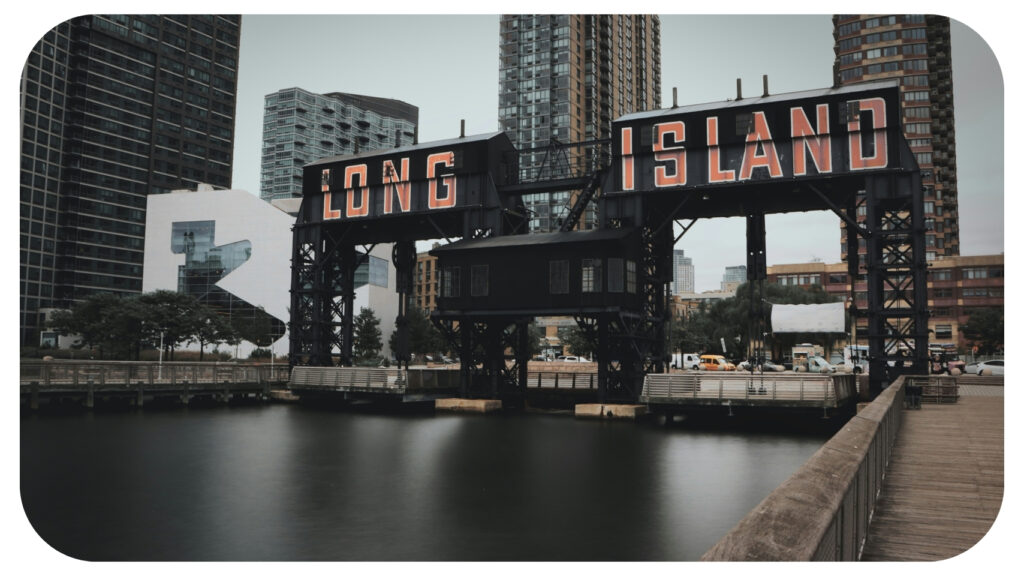
Photo by Hongtao Cai on Unsplash
Across Long Island, a quiet construction boom is underway but not driven by luxury housing or commercial real estate alone. Instead, billions of dollars are being invested in climate-resilience infrastructure designed to protect coastal communities from storms, flooding, and rising sea levels. From reinforced shorelines and seawalls to elevated roads and stormwater systems, these projects are reshaping how infrastructure is built throughout Nassau and Suffolk counties.
At the center of many of these efforts are skilled tradespeople, particularly masonry contractors Long Island who specialize in constructing durable, weather-resistant structures. Masonry plays a crucial role in climate-resilience projects because materials such as stone, brick, and reinforced concrete provide the strength and longevity required to withstand coastal conditions.
Government agencies, municipalities, and environmental programs are pouring unprecedented funding into resilience planning and infrastructure upgrades. These investments are creating a surge in demand for contractors capable of building seawalls, retaining walls, drainage structures, and flood-protection systems across Long Island’s vulnerable shoreline communities.
Below are several reasons why climate-resilience spending is fueling new opportunities for masonry professionals across the region.
Massive Coastal Protection Projects Are Reshaping the South Shore
One of the most ambitious resilience efforts in the region is the Fire Island to Montauk Point Coastal Storm Risk Management Project, a multibillion-dollar initiative designed to strengthen Long Island’s South Shore against hurricanes and storm surges.
New York State has authorized up to $1.7 billion in funding for coastal protection along the barrier islands and shoreline communities stretching from Fire Island to Montauk. The initiative includes beach reinforcement, dune restoration, shoreline stabilization, and other protective measures intended to reduce storm damage over the next several decades.
Projects of this scale require large quantities of durable construction materials and specialized engineering techniques. Masonry contractors are often involved in constructing shoreline structures such as seawalls, reinforced retaining walls, and structural barriers that stabilize coastal landscapes.
For Long Island’s construction industry, these coastal protection efforts represent long-term work opportunities as governments continue investing in infrastructure designed to withstand extreme weather.
Infrastructure Upgrades Are Addressing Flood-Prone Roads and Utilities
Climate-resilience spending isn’t limited to shorelines; it also extends to inland infrastructure. Roads, drainage systems, and transportation corridors across Long Island are being redesigned to cope with heavier rainfall and flooding.
State officials have allocated millions of dollars to upgrade flood-prone roadways and protect transportation infrastructure. For example, several Long Island road projects are being reinforced to address flooding caused by increasingly intense rainstorms.
Masonry contractors play an important role in these upgrades by building stormwater culverts, drainage channels, retaining walls, and bridge supports that manage water flow during severe weather.
These structural improvements help prevent road closures and infrastructure failures while ensuring that transportation systems remain operational during extreme conditions.
Community Resilience Programs Are Generating Local Projects
Beyond large state-funded infrastructure projects, smaller community initiatives are also contributing to the surge in masonry work across Long Island.
Programs supported by environmental agencies and regional partnerships are providing funding to help towns and villages plan climate-resilience improvements. For example, a regional initiative recently awarded over $1 million in planning support to 15 coastal communities to develop flood-mitigation strategies and resilience projects.
These initiatives often lead to construction projects such as reinforced waterfront walkways, seawalls, flood barriers, and shoreline stabilization structures, all of which rely heavily on masonry construction.
As communities move from planning to implementation, local masonry contractors are increasingly involved in building the structures that protect neighborhoods from rising waters.
Flood-Control Infrastructure Requires Durable Masonry Materials
Climate-resilience projects must be built to withstand decades of exposure to water, salt, and severe weather. Masonry materials such as reinforced concrete blocks, stone, and brick are ideal for these environments because they resist corrosion, erosion, and structural degradation.
Flood-control infrastructure often includes elements such as seawalls, stormwater channels, flood barriers, and raised foundations. These structures must endure strong wave action, heavy rainfall, and constant moisture exposure without losing structural integrity.
Because of these demanding conditions, engineers frequently specify masonry materials when designing coastal protection systems. Properly constructed masonry structures can last for decades with minimal maintenance, making them a practical investment for publicly funded resilience projects.
This durability is one of the reasons masonry contractors are in high demand as governments expand their climate-adaptation programs.
Rising Sea Levels Are Driving Long-Term Infrastructure Planning
Climate scientists and planners agree that rising sea levels will increasingly affect coastal communities across the northeastern United States. As a result, governments are investing in infrastructure designed to address long-term environmental risks.
In New York State alone, flooding events have triggered billions of dollars in disaster recovery spending over the past decade. Climate resilience initiatives now aim to reduce these costs by strengthening infrastructure before disasters occur.
Long-term resilience planning often involves large-scale structural improvements such as levees, floodwalls, stormwater management systems, and coastal barriers. These structures rely heavily on masonry construction techniques that provide the strength needed to withstand powerful environmental forces.
For masonry contractors, the growing focus on climate adaptation means a steady pipeline of infrastructure projects well into the future.
Workforce Demand Is Growing Across the Construction Industry
As climate-resilience spending increases, the construction industry is experiencing rising demand for skilled tradespeople. Masonry specialists are particularly sought after because their work is essential for building durable infrastructure.
Many resilience projects require highly specialized masonry skills, including stonework, reinforced concrete installation, and structural foundation construction. These tasks cannot easily be automated and depend on experienced craftspeople.
However, the construction sector faces a nationwide shortage of skilled workers. As older tradespeople retire and fewer young workers enter construction careers, contractors often struggle to fill open positions.
This workforce gap is creating new opportunities for masonry professionals, especially in regions such as Long Island where infrastructure investment is accelerating.
Climate-Resilient Design Is Changing the Future of Construction
Climate-resilience projects are not just repairing damage from past storms, but are shaping how future infrastructure will be designed and built.
Engineers now incorporate resilience strategies into new construction projects, including elevated structures, reinforced waterfront systems, and advanced drainage networks. Masonry construction often forms the backbone of these designs because of its structural strength and longevity.
These design principles extend beyond public infrastructure to private development as well. Waterfront homes, commercial buildings, and recreational facilities increasingly incorporate masonry features that improve storm resistance and flood protection.
As climate conditions evolve, resilient construction practices will likely become standard across coastal regions, further increasing demand for skilled masonry contractors.
Economic Benefits Are Reaching Local Communities
Climate-resilience spending is not only protecting infrastructure; it is also stimulating local economies. Large construction projects generate employment opportunities for contractors, engineers, laborers, and skilled tradespeople throughout the region.
Infrastructure investments often involve local suppliers, construction firms, and subcontractors, ensuring that much of the funding circulates within the community. Masonry contractors benefit directly from these projects by providing specialized services required for durable construction.
In many cases, resilience projects also improve public spaces. Upgraded waterfront parks, reinforced promenades, and restored shorelines enhance recreational opportunities while protecting communities from flooding.
These improvements can increase property values and strengthen local economies while making coastal areas safer for residents.
Conclusion
Climate change is transforming how infrastructure is built along Long Island’s coast. Rising sea levels, stronger storms, and increasing flood risks are prompting governments and communities to invest billions of dollars in resilience projects designed to protect vulnerable areas.
From shoreline stabilization and seawalls to flood-resistant roads and drainage systems, masonry construction plays a critical role in these initiatives. Durable materials such as stone, brick, and reinforced concrete provide the strength needed to withstand decades of environmental stress.
As climate-resilience spending continues to expand, masonry contractors are becoming indispensable partners in building the infrastructure that will safeguard Long Island’s communities for generations to come.


Most Inside Editorial Team
MostInside is a trusted publication helping people navigate real decisions across health, finance, career, home, relationships and technology since 2009. Straight to What Matters.