
Managing Anxiety and Nervousness – How to Calm Down a Racing Heart and Fast Breathing
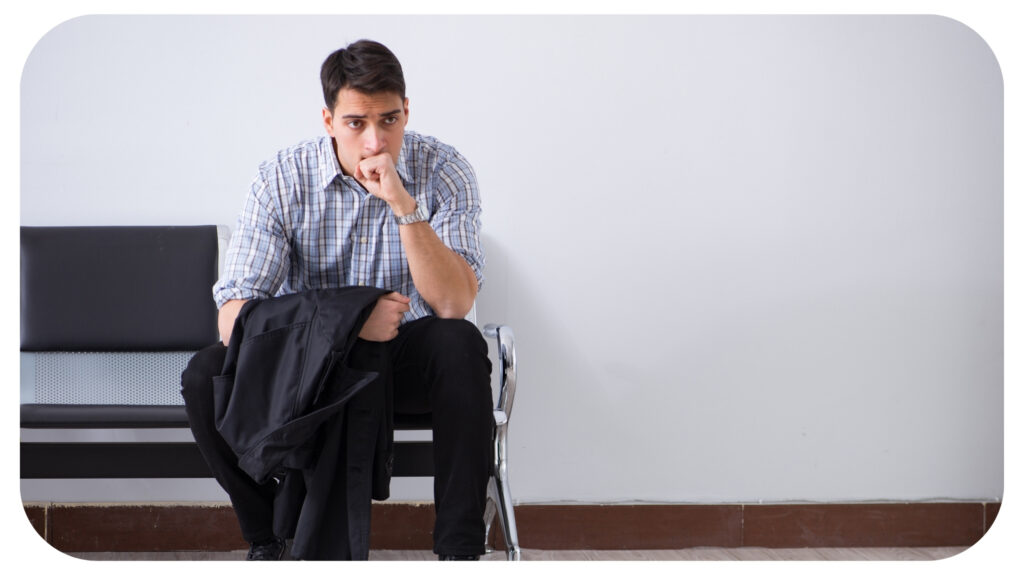
Anxiety and nervousness can profoundly hinder personal growth by creating barriers to exploration, risk-taking, and self-expression. When overwhelmed by these emotions, individuals may avoid unfamiliar situations or challenges, leading to stagnation and missed opportunities for development. Fear of failure or judgment can prevent them from pursuing their passions or asserting themselves in various aspects of life, whether it be in their careers, relationships, or personal goals.
Moreover, chronic anxiety can erode self-confidence and self-esteem, undermining one’s belief in their abilities and worthiness of success. This negative self-perception further perpetuates a cycle of avoidance and self-doubt, impeding progress and fulfillment. Additionally, anxiety often manifests physically, resulting in symptoms such as racing heart, trembling, or sweating, which can be distracting and debilitating. These physical sensations may heighten feelings of discomfort and intensify the fear of perceived judgment or failure, reinforcing avoidance behaviors.
To overcome these obstacles and foster personal growth, individuals may benefit from seeking support through therapy, self-care practices, and gradually exposing themselves to feared situations in a controlled manner. Developing coping strategies, cultivating resilience, and challenging negative thought patterns are essential steps towards managing anxiety and unlocking one’s full potential for growth and self-realization.
Why it is crucial to calm down racing heart and nervousness?
It is crucial to calm down a racing heart and nervousness because prolonged feelings of anxiety can have detrimental effects on both physical and mental well-being. When the body is in a state of heightened arousal, such as experiencing a racing heart and nervousness, it triggers the release of stress hormones like adrenaline and cortisol. These hormones can negatively impact various bodily systems, leading to increased blood pressure, impaired digestion, weakened immune function, and disrupted sleep patterns.
Furthermore, chronic anxiety can contribute to the development or exacerbation of mental health conditions such as generalized anxiety disorder, panic disorder, and depression. It can also impair cognitive function, making it difficult to concentrate, make decisions, or solve problems effectively.
Hence, managing anxiety and nervousness or calming down a racing heart, individuals can reduce the physiological and psychological effects of stress, promoting a sense of relaxation and well-being. This allows the body to return to a state of equilibrium, facilitating clearer thinking, improved decision-making, and better overall health. Moreover, managing anxiety in the moment can help prevent the escalation of symptoms and the onset of panic attacks, empowering individuals to navigate challenging situations with greater resilience and composure.
Disadvantages of Anxiety and Nervousness?
Managing anxiety and nervousness is very crucial as they can have significant disadvantages, impacting various aspects of an individual’s life. Here are some common disadvantages of nervousness and anxiety:
- Impaired Mental Health: Chronic anxiety and nervousness can contribute to the development or exacerbation of mental health disorders such as generalized anxiety disorder, panic disorder, and depression. These conditions can significantly impair daily functioning, leading to difficulties in relationships, work, and overall quality of life.
- Physical Health Consequences: Prolonged anxiety and nervousness can have adverse effects on physical health, including increased risk of cardiovascular problems such as high blood pressure, heart disease, and stroke. Additionally, chronic stress has been linked to weakened immune function, digestive issues, muscle tension, and headaches.
- Disrupted Sleep Patterns: Anxiety and nervousness often interfere with sleep, leading to difficulties falling asleep, staying asleep, or experiencing restorative sleep. Poor sleep quality can exacerbate feelings of fatigue, irritability, and cognitive impairment, further perpetuating the cycle of anxiety.
- Impaired Social Functioning: Anxiety and nervousness may hinder social interactions and relationships, as individuals may avoid social situations or experience difficulty communicating effectively due to fear of judgment or rejection. This can lead to feelings of isolation, loneliness, and decreased social support.
- Reduced Quality of Life: Overall, anxiety and nervousness can significantly diminish one’s quality of life, affecting their ability to enjoy daily activities, pursue goals, and experience a sense of fulfillment and well-being. Untreated anxiety can lead to a persistent state of distress and discomfort, hindering personal growth and overall life satisfaction.
How to calm down a racing heart and fast breathing?
Calming down a racing heart and fast breathing involves techniques to activate the body’s relaxation response and reduce the physiological symptoms of anxiety. Here are some effective strategies:
- Deep Breathing: Practice deep breathing exercises to slow down your breathing and calm your racing heart. Take slow, deep breaths in through your nose, allowing your abdomen to expand, and exhale slowly through your mouth. Repeat this several times until you feel more relaxed.
- Progressive Muscle Relaxation: Tense and then relax different muscle groups in your body, starting from your toes and working your way up to your head. This technique helps release physical tension and promotes relaxation.
- Mindfulness Meditation: Engage in mindfulness meditation to focus your attention on the present moment and cultivate a sense of calm. Pay attention to your breath, sensations in your body, and the environment around you without judgment which is one of the effective ways for managing anxiety and nervousness for overall wellbeing and personal growth.
- Grounding Techniques: Use grounding techniques such as focusing on sensory experiences or repeating calming affirmations to bring your attention back to the present moment and reduce feelings of anxiety.
- Visualizations: Practice guided imagery or visualization exercises to imagine yourself in a peaceful and calming environment. Visualize yourself breathing slowly and deeply, and imagine tension leaving your body with each exhale.
- Exercise: Engage in physical activity such as walking, jogging, or yoga, which can help reduce stress and promote relaxation. Exercise releases endorphins, which are natural mood lifters that can help calm your racing heart.
- Seek Support: Talk to a trusted friend, family member, or mental health professional about your feelings of anxiety. Sharing your thoughts and feelings with others can provide support and perspective.
By incorporating these techniques into your daily routine, you can effectively calm down a racing heart and fast breathing, reducing feelings of anxiety and promoting relaxation.
Regular Techniques to Manage Anxiety and Nervousness
Managing anxiety and nervousness involves adopting regular techniques and practices to promote relaxation and reduce stress. Here are some effective strategies:
- Deep Breathing Exercises: Practice deep breathing exercises to calm the body’s stress response and promote relaxation. Take slow, deep breaths in through your nose, hold for a few seconds, and then exhale slowly through your mouth. Repeat several times.
- Mindfulness Meditation: Engage in mindfulness meditation to cultivate present-moment awareness and reduce anxious thoughts. Set aside time each day to sit quietly, focus on your breath, and observe your thoughts and sensations without judgment.
- Progressive Muscle Relaxation (PMR): Practice PMR to release tension and promote relaxation in the body. Tense and then relax each muscle group, starting from your toes and working your way up to your head.
- Exercise Regularly: Engage in regular physical activity to reduce stress and anxiety. Activities such as walking, jogging, swimming, or yoga can help release endorphins and improve mood.
- Maintain a Healthy Lifestyle: Eat a balanced diet, get enough sleep, and limit caffeine and alcohol intake, as these can exacerbate feelings of anxiety. Prioritize self-care activities such as taking breaks, practicing hobbies, and spending time with loved ones.
- Cognitive Behavioral Therapy (CBT): Consider seeking therapy or counseling to learn coping skills and strategies for managing anxious thoughts and behaviors is one of the best techniques for managing anxiety and nervousness. CBT techniques can help challenge negative thinking patterns and develop healthier responses to stress.
- Limit Exposure to Triggers: Identify and limit exposure to triggers that exacerbate feelings of anxiety, such as certain social situations, news media, or stressful environments.
- Establish a Relaxation Routine: Create a daily relaxation routine that includes activities you enjoy, such as listening to music, reading, or taking a warm bath. Incorporating relaxation into your daily life can help reduce overall stress levels.
By incorporating these regular techniques into your routine, you can effectively manage anxiety and nervousness, promoting a greater sense of calm and well-being.

Recommended For You
4 Common Causes Of Skin Discoloration

Priyadarshini Muduli
A full time passionate writer with imperishable determination to bring healthy, smart and pragmatic changes individually and socially. Concentrate especially on lifestyle, life and personal improvement, relationships, mental health and behavior, viral issues and literature based subjects.