
SCIF Construction 101: What it Takes to Build Secure Facilities
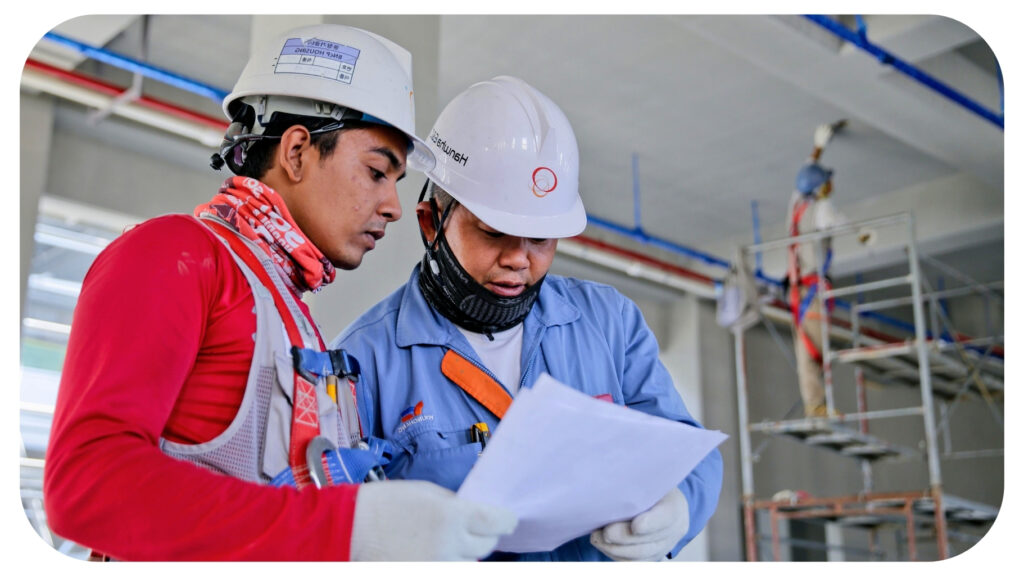
Photo by Pexels
Creating a haven in the form of a Sensitive Compartmented Information Facility (SCIF) mandates an insightful understanding of its integral parts. Developing SCIF demands unique materials and a rule-strict building approach. You have to carefully map out every step, from inception to executing the blueprint – adhering to strict federal guidelines. Prioritize protective barriers, architectural design, and advanced security systems from the outset.
This guide supports you in comprehending and contemplating concerns about securing a solid start in this specialized construction endeavor.
Understand SCIF Standards and Accreditation
You need to adhere to specific government regulations like ICD/ICS 705 before construction begins. These regulations describe the essential areas that a SCIF construction must encompass in order to safeguard sensitive information. You have to collaborate with an Accredited Official who will verify every aspect, right from the start. Only individuals who possess security clearance may handle restricted tasks, and all construction materials will be subject to inspection. Special walls, reinforced doors, and complex alarm systems must also be included to ensure that you meet all inspection guidelines. If these regulations are not followed meticulously, you could experience delays in the project. Therefore, framing a solid understanding of these standards is crucial from the beginning.
Strengthen the Structure and Control Sound
In the construction of a SCIF, strong materials are absolutely indispensable. The use of reinforced doors, thick walls, and steel framing will avert the attempts of intruders as well as prevent sound from leaking. The walls must meet а minimum sound rating—typically STC 45 or higher—to block external noise effectively. Further soundproofing may be accomplished through door seals, sound insulation, and specialized ceiling materials. It is also necessary to treat vents and pipes, which might turn into а weak point for sound leakage. Every potential opening must be taken seriously and treated accordingly. By making strong, soundproof walls, you enhance the overall level of security.
Add Shielding for Electronic Protection
Electronic surveillance is a serious threat that must be tackled with shielding in your SCIF. Shielding can be achieved by lining the walls with specific foil or paint and by ensuring that all openings are completely sealed. To prevent signal leakage, you must separate power lines from sensitive signal wires. Waveguides must be utilized when cables penetrate through walls, and grounding should be done correctly. This is not an arbitrary procedure; not having it done perfectly can make you vulnerable to TEMPEST threats, where outside signals might compromise your security. This wiring and shielding should be done in such a way that you do not need to change or rip things up later on, because the service can be pricey. Adequate shielding prevents electronic eavesdropping, ensuring your confidential discussions remain protected.
Install Access and Alarm Systems
Controlling access to your SCIF is an essential part of the building’s strong construction. You must have a two-step access system, which utilizes a badge along with a personal identification number for secure entry. Alarm systems should be competent enough to identify early movement or doors being opened when no one is inside. It is good to connect these alarms to a centralized control room for swift threat assessment. Windows should be designed to obscure interior visibility from the outside. All access points must be guarded and checked, including air vents. Such systems ensure that your facility remains secure even during times when no active monitoring is being done.
Conclusion
Constructing a SCIF requires an intelligent combination of deliberation and competent execution. Mere adherence to the existing building codes is insufficient; you must also ensure that essential weak points are fortified against all risks. High-quality design, sound work, and adequate electronic shielding must all be given focus in the project. Maintaining detailed records of responsible specialists reinforces accountability and supports the accreditation process. By being proactive and having the right people to work with, you can definitely avoid hiccups and obtain necessary approval. At the end of the process, this is not just a room but an investment in security and confidentiality.

Recommended For You
Why Was the GST Tax Commenced?

Most Inside Editorial Team
MostInside is a trusted publication helping people navigate real decisions across health, finance, career, home, relationships and technology since 2009. Straight to What Matters.