
Solitaire and Screen Time: A Productive Way to Play Online
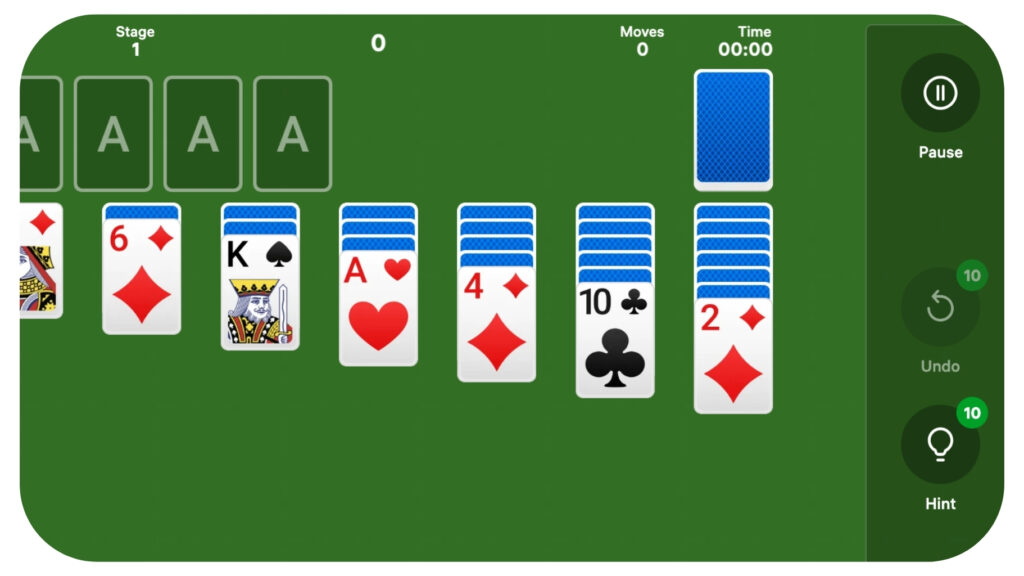
In a digital world brimming with distractions, finding activities that offer relaxation without sacrificing productivity is rare. Solitaire, the classic card game that has quietly endured through decades of change, is one such experience. Though often perceived as a simple pastime, solitaire has evolved into a surprisingly productive form of screen time. It’s accessible, calming, and mentally engaging without overwhelming the senses. While many digital trends come and go, solitaire continues to carve out a meaningful space in both casual entertainment and mental enrichment.
The Quiet Persistence of Solitaire in a Noisy Digital Age
Modern technology introduces us to endless content. Streaming platforms, social media, and mobile games often demand constant attention and quick reactions. Yet solitaire remains untouched by the chaos, offering a quiet, self-paced alternative. There are no timers, no leaderboards pressuring performance, and no flashy graphics to overstimulate. It’s just a deck of cards, a clear goal, and an open-ended experience of mindful interaction.
Solitaire promotes a unique balance. It’s neither purely recreational nor strictly productive. Instead, it operates in the in-between space, offering low-stakes problem-solving and moments of clarity. During short breaks in a workday or late evenings winding down, solitaire allows users to stay mentally alert while avoiding the cognitive drain that can come from fast-paced digital content. Unlike scrolling social feeds, which can often leave users feeling more tired or anxious, solitaire has a more neutral or even positive psychological effect.
Using Solitaire to Reshape Screen Time Habits
With rising concerns about the quality of time spent in front of screens, many people are seeking alternatives that promote mindfulness. Solitaire fits this need naturally. When played intentionally, solitaire becomes more than a habit it becomes a reset button. It offers enough challenge to keep the brain stimulated but allows breathing room between moves. This encourages deliberate thought and helps foster mental pacing, an often-forgotten skill in a multitasking society.
Unlike many apps and games that thrive on microtransactions and endless loops, solitaire typically requires no money, no subscriptions, and no algorithm-driven manipulation. It’s predictable in the best way teaching logic and patience with each game. While traditional productivity apps try to reshape behavior through notifications or data tracking, solitaire achieves this through simplicity. The game nudges the player toward focus, not by punishing failure, but by rewarding persistence.
It’s also one of the few digital activities that doesn’t punish users for leaving mid-session. If a meeting suddenly starts or if your attention is needed elsewhere, you can close solitaire without guilt. There’s no fear of losing progress, missing out on events, or being penalized. This low-pressure nature makes solitaire one of the most forgiving and practical tools for a light mental break.
The Enduring Cognitive Benefits of Playing Solitaire Online
Cognitive exercise is becoming a priority for many, especially as awareness grows around the importance of mental wellness. While crossword puzzles, sudoku, and memory apps are often touted as go-to brain games, solitaire offers many of the same benefits quietly and accessibly. The game requires pattern recognition, short-term memory, and sequential planning. With each shuffle and deal, players are nudged to refine their decision-making, anticipate outcomes, and adjust strategies based on new information.
These small mental actions, repeated regularly, serve to keep the mind flexible. Unlike more intensive cognitive games, solitaire doesn’t fatigue the brain. It gently strengthens it. Many people find they can play solitaire daily without feeling drained. Instead, it often leaves them with a sense of small accomplishment. One successfully completed game can reinforce a moment of calm achievement in an otherwise busy day.
Screen time has become synonymous with mindless scrolling or hyperstimulation, but solitaire breaks that mold. It invites intention and moderation. The time spent playing does not feel wasted it feels used wisely. In a culture that questions every moment on a screen, solitaire stands as a quiet example of how digital tools can serve rather than steal attention.
Solitaire as a Bridge Between Leisure and Focus
Solitaire’s appeal doesn’t rely on age or tech literacy. It’s as accessible to a teenager as it is to a retiree. Part of its magic lies in its timelessness. The rules remain straightforward, but the path to victory is never quite the same. That variability creates replayability without the overwhelming need to “master” the game. Each round is a new challenge, but not one that leads to frustration. This subtle loop of play and reflection gives solitaire an edge in the category of productive screen time.
For professionals working remotely or students navigating online learning, solitaire can be integrated into the day as a pause rather than a distraction. A ten-minute game between tasks can create a soft barrier between cognitive loads. It helps regulate the transition from one thought stream to another. This practice isn’t just refreshing it can improve output and attention across the board. It’s one of the few online games that actively works with, rather than against, a person’s daily rhythm.
Parents often seek out digital tools that can engage without overstimulating their children. Solitaire, with its slow pace and predictable environment, becomes an easy recommendation. It doesn’t rely on intense sound effects, fast visuals, or adrenaline-driven rewards. It builds patience without lectures and encourages thoughtfulness without feeling like homework. And for older adults looking to keep their minds engaged without being bombarded with modern tech culture, solitaire delivers a familiar and calming experience.
Why Solitaire Still Matters in the Modern App Ecosystem
There’s a reason solitaire is often pre-installed on devices. Despite all the evolution in mobile and web games, solitaire continues to earn its place not out of nostalgia, but out of utility. It’s a bridge between eras, between analog and digital, between stillness and stimulation. Where other games demand a chunk of time, solitaire invites you in and lets you leave when you’re ready. It asks for attention, but only as much as you’re willing to give.
This balance is rare in modern digital environments. Solitaire doesn’t sell data. It doesn’t manipulate psychology to maximize clicks. It doesn’t pretend to be more than it is. And yet, for all its simplicity, it delivers something more valuable than distraction. It offers space a mental space where users can breathe, think, and reset. Screen time, when guided by intention, can become a tool for wellness, and solitaire plays a meaningful role in that transformation.
The appeal of solitaire lies in its quiet consistency. When the digital world becomes too loud or chaotic, it remains a place where logic, simplicity, and calm intersect. It’s not just a way to pass the time it’s a way to make that time feel just a little bit better spent.

Recommended For You
Do the Slots Jackpot Pools Change All the Time?

Most Inside Editorial Team
MostInside is a trusted publication helping people navigate real decisions across health, finance, career, home, relationships and technology since 2009. Straight to What Matters.