
Steps Business Owners Can Take So They Can Save Fuel Within Their Logistics Network
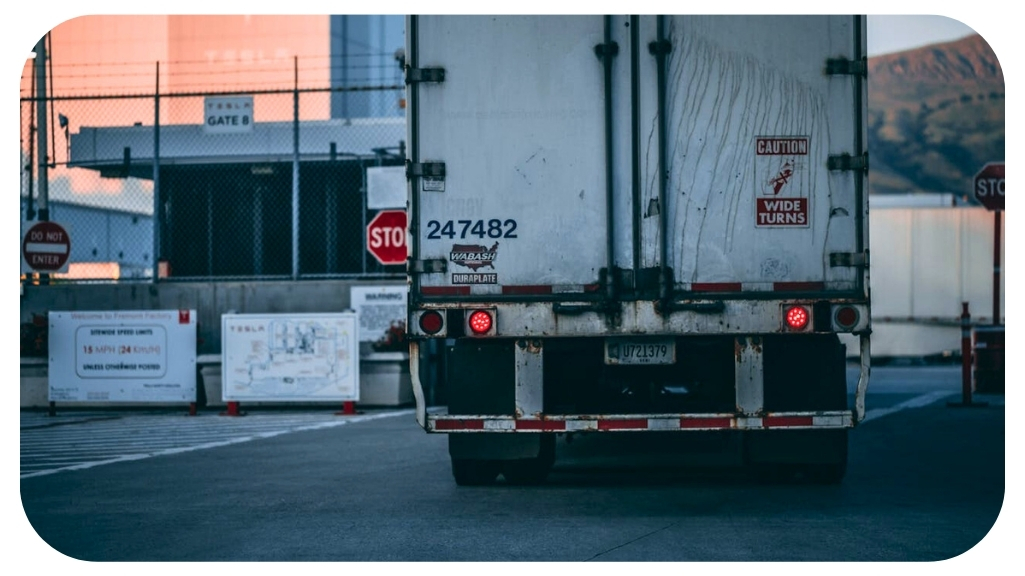
Fuel costs are one of the most significant expenses in logistics operations. For business owners managing fleets, warehouses, and delivery systems, reducing fuel consumption isn’t just about saving money – it’s about improving efficiency, reducing environmental impact, and building a more resilient supply chain. By taking strategic steps, companies can optimize fuel usage across their logistics network and gain a competitive edge.
Optimize Route Planning
One of the most effective ways to reduce fuel consumption is through smarter route planning. By using GPS and route optimization software, logistics managers can identify the most efficient paths for deliveries, avoiding traffic congestion, construction zones, and unnecessary detours.
Advanced systems can also factor in weather conditions, delivery time windows, and vehicle load capacity to create routes that minimize fuel usage. Real-time updates allow drivers to adjust their routes on the fly, further improving efficiency.
Companies should regularly review and update their routing strategies to reflect changes in infrastructure, customer locations, and traffic patterns. Even small adjustments can lead to significant fuel savings over time.
Maintain Vehicles Regularly
Well-maintained vehicles consume less fuel and operate more reliably. Regular maintenance checks—such as oil changes, tire pressure adjustments, and engine tune-ups—ensure that trucks and vans run at peak efficiency.
Underinflated tires, for example, can increase rolling resistance and reduce fuel economy. Dirty air filters and worn spark plugs can also lead to inefficient combustion and higher fuel consumption.
Implementing a preventive maintenance schedule helps catch issues early and keeps vehicles in optimal condition. Fleet management software can automate reminders and track service history, making it easier for business owners to stay on top of maintenance tasks.
Train Drivers in Fuel-Efficient Practices
Driver behavior has a direct impact on fuel usage. Aggressive acceleration, excessive idling, and speeding all contribute to higher fuel consumption. By training drivers in fuel-efficient techniques, companies can reduce waste and improve overall performance.
Encourage practices such as smooth acceleration, maintaining steady speeds, and minimizing idle time. Use telematics systems to monitor driving habits and provide feedback to drivers. Some companies even offer incentives for fuel-efficient driving, turning savings into a team effort.
Leverage Technology for Monitoring and Analysis
Modern logistics networks generate vast amounts of data. By leveraging telematics, IoT sensors, and fleet management platforms, business owners can monitor fuel usage in real time and identify patterns that lead to inefficiencies. These tools provide insights into vehicle performance, driver behavior, route effectiveness, and fuel consumption trends. With this data, companies can make informed decisions about vehicle upgrades, route changes, and operational adjustments.
Integrating fuel risk management strategies into this analysis helps businesses anticipate price fluctuations, budget more accurately, and explore alternative fuel options when necessary. This proactive approach reduces exposure to market volatility and supports long-term planning.
Consider Alternative Fuels and Vehicle Types
As fuel prices fluctuate and environmental regulations tighten, many logistics companies are exploring alternative fuel sources and vehicle types. Electric vehicles (EVs), hybrid trucks, and vehicles powered by compressed natural gas (CNG) offer cleaner and often more cost-effective options. While the upfront investment may be higher, the long-term savings in fuel and maintenance can be substantial. Government incentives and grants may also be available to offset costs and support the transition to greener fleets.
Conclusion
Saving fuel within a logistics network requires a combination of smart planning, technology adoption, and behavioral change. By optimizing routes, maintaining vehicles, training drivers, analyzing data, and exploring alternative fuels, business owners can reduce costs, improve efficiency, and build a more sustainable operation. Fuel savings not only benefit the bottom line but also contribute to a more resilient and forward-thinking logistics strategy.
![Electronics Recycling Programs Helps Reduce Landfill Waste [E-waste Removal]](https://www.mostinside.com/wp-content/uploads/2023/07/electronics-recycling-programs-370x208.jpg "Electronics Recycling Programs Helps Reduce Landfill Waste [E-waste Removal]")

Most Inside Editorial Team
MostInside is an independent publication focused on growth across lifestyle, business, finance, sports, and digital authority, prioritizing long term value and enduring credibility.