

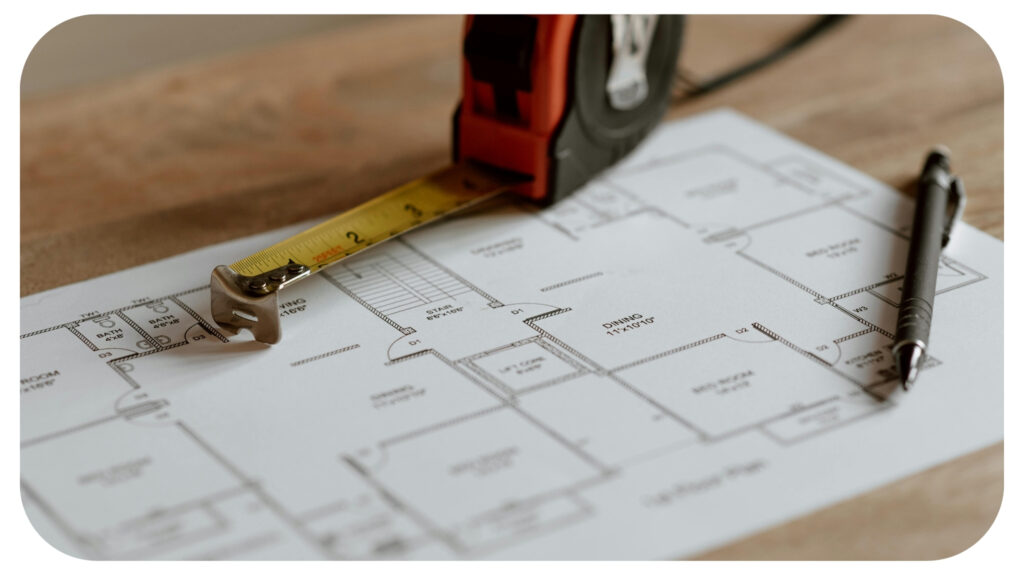
A well-designed floor plan is the foundation of a home that feels intuitive, comfortable, and tailored to its occupants. It’s not just about where walls go or how rooms connect; it’s about creating a living environment that supports your lifestyle, enhances functionality, and adapts to future needs. Whether you’re building a new home or renovating an existing one, understanding the art of floor plan design can help you make choices that lead to a more satisfying and efficient living space.
Start With How You Live
The most successful floor plans begin with a deep understanding of how you use your space. Consider your daily routines, family dynamics, and long-term goals. Do you need a quiet home office, a large kitchen for entertaining, or a private retreat away from the main living areas? These questions should guide the layout and flow of your home.
For example, families with young children often benefit from open-concept living areas that allow for easy supervision and interaction. On the other hand, households with multiple generations may prefer more defined zones that offer privacy and separation. The key is to design a plan that reflects your unique lifestyle rather than following trends that may not suit your needs.
Prioritize Flow and Connectivity
A good floor plan feels natural to move through. Rooms should connect in a way that supports everyday activities and minimizes unnecessary steps. This is especially important in high-traffic areas like kitchens, entryways, and bathrooms. Thoughtful placement of doors, hallways, and transitions can make a home feel more spacious and organized.
Zoning is another important concept. Grouping similar functions together such as placing bedrooms near bathrooms or keeping laundry facilities close to bedrooms can improve efficiency and reduce noise. Visual connectivity also matters; open sightlines between living spaces can make a home feel larger and more inviting, even if the square footage is modest.
Maximize Natural Light and Views
Light plays a powerful role in how a space feels. A well-designed floor plan takes advantage of natural light by positioning windows and openings to capture sunlight throughout the day. This not only improves mood and comfort but also reduces the need for artificial lighting.
Consider the orientation of your home and how it interacts with the surrounding landscape. South-facing windows can bring in warmth during winter months, while shaded outdoor areas can provide relief in summer. Views should also be considered; placing living areas or bedrooms where they overlook gardens, mountains, or other scenic elements can enhance the overall experience of the home.
Experienced professionals, such as residential Aspen architects with a focus on mountain living, often incorporate these elements seamlessly into their designs. Their understanding of local terrain, climate, and lifestyle preferences allows them to create floor plans that feel both luxurious and grounded in practicality.
Plan for Flexibility and Growth
Your needs today may not be the same five or ten years from now. A smart floor plan anticipates change by including flexible spaces that can evolve over time. This might mean designing a bonus room that can serve as a nursery, guest room, or studio depending on your stage of life.
Storage is another area where flexibility matters. Built-in cabinetry, walk-in closets, and underutilized spaces like attics or basements can be designed to accommodate changing needs. Even structural elements like reinforced walls or pre-wired systems can make future renovations easier and more cost-effective.
Balance Privacy and Togetherness
While open layouts are popular for their sense of spaciousness and connection, privacy remains an essential consideration. Bedrooms should be placed away from noisy living areas, and bathrooms should be easily accessible without being exposed to public view. Soundproofing, thoughtful placement of doors, and transitional spaces like mudrooms or foyers can help maintain a sense of separation where needed.
At the same time, communal areas should encourage interaction and comfort. Kitchens that open to dining and living rooms, outdoor patios connected to indoor lounges, and multi-purpose family rooms all support togetherness without sacrificing individual space. The right balance depends on your household’s dynamics and preferences.
Conclusion
Designing a floor plan that truly works for you requires more than technical skill; it demands insight into how you live, what you value, and how your needs may evolve. By focusing on flow, light, flexibility, and privacy, you can create a home that feels intuitive and enduring. Whether you’re working with a local architect or exploring ideas on your own, the art of the floor plan lies in its ability to transform a structure into a space that supports and enhances your life.


Leave a Reply