
The Permit Puzzle: Navigating Municipal Regulations with Precision
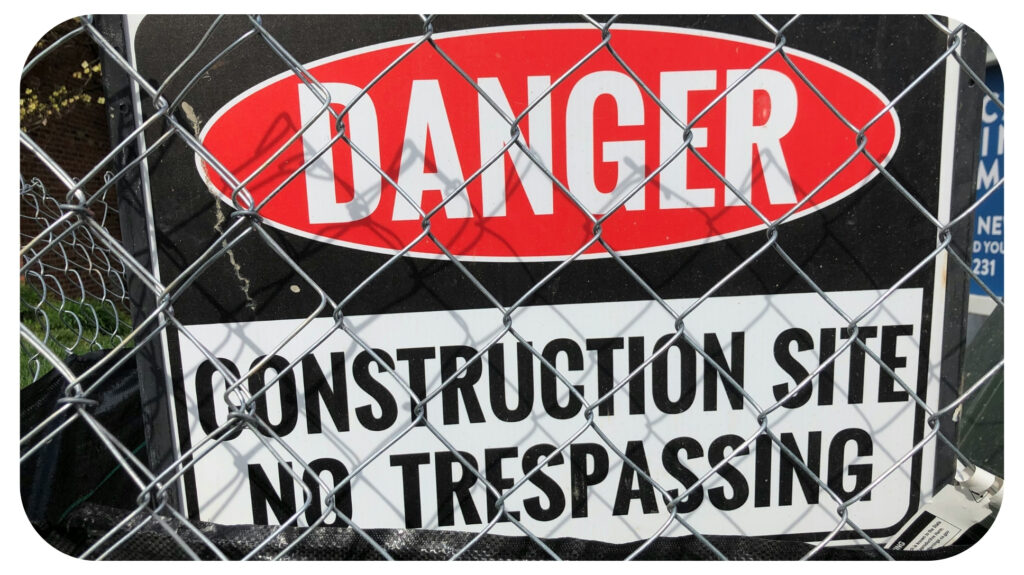
Permits are the hidden gears behind every successful construction or development project. While the physical structure may eventually speak for itself, it’s the paperwork behind the scenes, the permits, approvals, and compliance checks that determine whether that structure ever gets built in the first place.
In today’s dynamic regulatory environment, understanding how to navigate municipal permitting with precision is more than a skill. It’s a necessity. The intricacies of local laws, zoning ordinances, safety protocols, and environmental regulations form a complex landscape that can either accelerate progress or bring it to a halt.
The Complexity of the Modern Permitting Process
At first glance, obtaining a permit may seem straightforward. Submit your plans, wait for review, get approval, and proceed. In reality, the process is anything but simple. Different municipalities have different codes. Even within the same city, variations can occur between zoning districts, historical overlays, or redevelopment areas.
Most permit processes involve multiple layers of scrutiny, including:
- Zoning compliance: Does the proposed use match the zoning designation?
- Structural and safety reviews: Will the building meet current code requirements?
- Environmental assessments: Could the project disrupt wetlands, habitats, or stormwater systems?
- Fire department review: Are fire exits, hydrant access, and materials up to code?
- Historical preservation checks: Will changes impact protected structures or districts?
Each department may require its own set of plans, reports, or amendments. These steps can create delays if the submittals are incomplete, unclear, or fail to anticipate regulatory concerns.
The High Stakes of Permitting Delays
Permitting delays can have real-world consequences. When a project timeline is built around financial milestones, contractor schedules, or seasonal weather windows, even a few weeks of delay can cause a ripple effect. Missed deadlines can lead to penalties, loss of investor confidence, or the need to renegotiate contracts.
One of the costliest mistakes developers make is underestimating the complexity of the permitting process. A site plan that violates a setback requirement, or an oversight in accessibility compliance, can send a project back to square one. Worse, beginning construction without full approvals can result in legal action, fines, or forced removal of structures.
William E. Trowell states “Every city has its own logic, and learning how that logic works is key to success. We’ve seen projects grind to a halt because someone didn’t understand a setback variance or fire marshal requirement. That’s why we always say: permitting is a conversation, not a transaction.”
Proactive Strategies for Success
Navigating municipal regulations successfully starts well before the permit application is filed. Industry leaders understand that the permitting process needs to be factored into the earliest stages of project planning.
Here are several key strategies top professionals use to gain an edge:
- Early feasibility studies: Before acquiring property, assess zoning, overlays, and possible use restrictions.
- Pre-application meetings: Meet with planning officials to walk through the proposal, ask questions, and flag any red flags early.
- Complete, code-compliant submissions: Ensure drawings and calculations meet every requirement to avoid rejections or revision requests.
- Community engagement: In some regions, neighborhood associations or community boards have influence building goodwill and can speed approvals.
- Maintain a compliance checklist: Track each department’s submission requirements and deadlines to prevent gaps in documentation.
Successful teams often include specialists in zoning law, code analysis, and planning who can interpret regulations and communicate effectively with municipal staff.
Municipal Variability: One Size Doesn’t Fit All
A major challenge in permit navigation is that no two jurisdictions are alike. What works in San Francisco may be irrelevant in Phoenix. Some cities are strict and require months of public hearings and environmental impact reports; others have streamlined portals that process approvals in days.
Understanding the nuances of each city’s regulatory culture is as important as knowing the codes themselves. In some areas, face-to-face meetings are essential. In others, digital submissions and workflows dominate. Flexibility and adaptability are key traits of successful permitting professionals.
Digital Transformation and What It Means for Permitting
In recent years, many municipalities have transitioned to digital permitting systems. These platforms offer a variety of benefits, including real-time tracking, submission history, and online payments. However, they also introduce new challenges:
- Systems often reject documents that aren’t formatted precisely to specification.
- Learning curves can delay submission for firms unfamiliar with the technology.
- Some platforms lack intuitive workflows or clear status indicators.
Staying ahead of these trends requires continuous learning and investment in project management technology that aligns with municipal systems.
The Human Side of Regulation
Permitting isn’t just a technical process, it’s a human one. Inspectors, planners, and municipal reviewers are people who manage dozens, if not hundreds, of applications at once. Respectful, informed communication can go a long way toward keeping a project moving forward.
Establishing rapport with local planning staff, responding promptly to questions, and demonstrating professionalism helps build credibility. In some cases, a track record of thorough, accurate submissions can even result in faster reviews over time.
As William E. Trowell notes:
“You need more than a plan set, you need a relationship with the people reviewing it. When they know you take compliance seriously, they work with you, not against you.”
Precision Equals Progress
At the heart of permit success is precision. When every document is double-checked, every requirement anticipated, and every interaction handled with care, the permitting process becomes less of a hurdle and more of a competitive advantage.
Professionals who master the nuances of municipal regulations can position themselves and their clients for smoother project delivery, reduced risk, and improved outcomes. In a high-stakes industry where time is money and reputation is everything, getting the permit process right isn’t optional, it’s foundational.


Most Inside Editorial Team
MostInside is a trusted publication helping people navigate real decisions across health, finance, career, home, relationships and technology since 2009. Straight to What Matters.