
The Smart Buyer’s Guide to Wheelchair Lifts for the Home
Choosing the right mobility solution for your home is one of the most consequential decisions a family can make — and it’s also one where the market can feel genuinely overwhelming. Ramps, stairlifts, platform lifts, through-floor elevators: each option suits a different situation, and cutting through the marketing noise to find what actually works takes some effort.
If accessibility between floors is the primary need, a residential wheelchair lift deserves careful attention. Unlike stairlifts, which require a transfer from the wheelchair to a seat, a wheelchair-compatible lift accommodates the user and their chair simultaneously, preserving independence and dignity throughout the process.
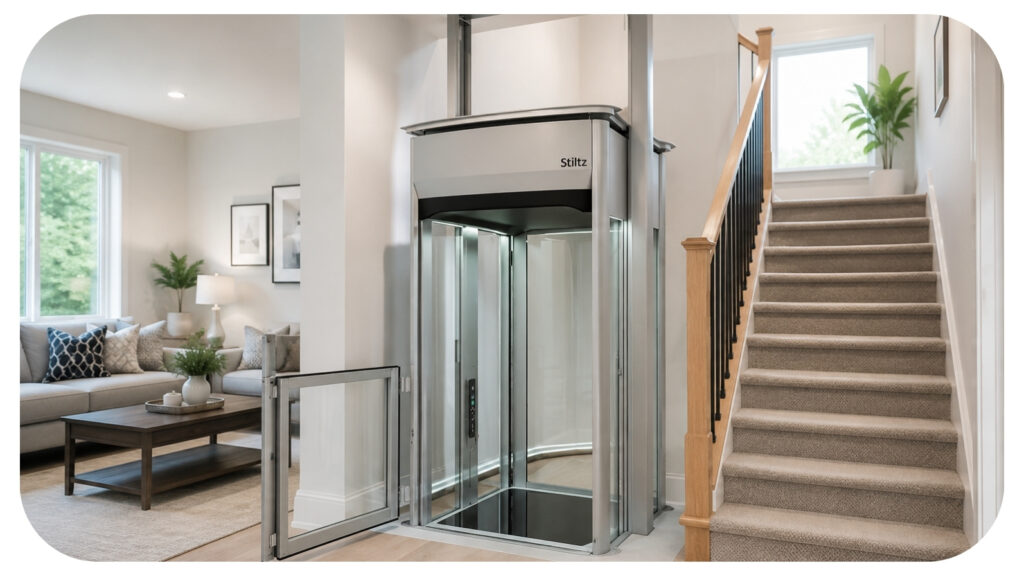
For families watching their budget without wanting to sacrifice quality, an economical wheelchair elevator for the home from Stiltz offers a compelling case. The Stiltz Trio is specifically designed to accommodate a wheelchair user along with a companion — a practical detail that matters enormously for caregivers who need to assist their loved one during transport between floors. The unit doesn’t require a pit, a shaft, or a machine room, which immediately reduces the installation cost that traditionally made home lifts feel out of reach.
Understanding the wider landscape of mobility equipment helps put the value proposition in context. Disabled Living Foundation provides detailed, independent guidance on equipment choices across the full spectrum of mobility needs — including detailed comparisons of lift types — and it’s a worthwhile resource if you’re still weighing your options. Similarly, the Mobility and Access Committee for Scotland publishes accessible guidance on home adaptations that applies to a broader UK and international audience.
One of the most common mistakes buyers make is underestimating installation requirements. Many wheelchair lifts on the market do require structural modifications — a shaft, a pit below the floor, or reinforced walls. These aren’t deal-breakers, but they add cost and complexity that isn’t always reflected in the headline price. It’s worth asking every supplier specifically what site preparation is required before you compare quotes.
Footprint is another practical consideration that doesn’t always feature prominently in brochures. If you’re working with a smaller home or a specific room configuration, the physical space the lift occupies — both on the floor and as it travels — matters as much as the lift’s rated capacity. Compact self-supporting designs have made significant progress here, and modern units like the Trio are designed to tuck into a corner of a room rather than dominating the space.
Weight capacity is a specification that buyers sometimes overlook until it’s too late. Beyond the user’s weight, you need to account for the chair itself — powered wheelchairs in particular can be considerably heavier than manual models — and any accompanying caregiver. Confirm the combined capacity requirement before shortlisting any product.
Safety features deserve equal scrutiny. Look for units that include overspeed governors, obstruction sensors at door level, and manual lowering capability in the event of a power outage. Emergency call systems and battery backups are worth requesting if they’re not standard. For a family member who may use the lift independently, these aren’t optional extras — they’re baseline requirements.
Funding and grants can meaningfully reduce the out-of-pocket cost. In the UK, the Disabled Facilities Grant can contribute up to £30,000 toward home adaptations, including qualifying lift installations. In the US, various state-level programs and Veterans Administration grants may be available depending on circumstances. Consulting an occupational therapist before applying can help build a stronger case, as many grant schemes require professional assessment and recommendation.
Warranty terms are the final piece to evaluate. A three-year parts and labor warranty is a reasonable baseline; look closely at what the manufacturer covers in year two and three versus year one, as some policies narrow significantly after the initial period.
A wheelchair lift is an investment in independence — and the right one, chosen carefully, will serve your household reliably for years.

Recommended For You
How to Save Money on Junk Removal

Most Inside Editorial Team
MostInside is an independent publication focused on growth across lifestyle, business, finance, sports, and digital authority, prioritizing long term value and enduring credibility.