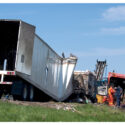
U.S. Highway Accidents Can Be Lethal: Protect Yourself and Your Loved Ones
This post was last updated on June 6th, 2026

Highway travel is an unavoidable part of modern life in the United States, connecting communities, supporting commerce, and enabling daily routines. Yet despite advances in vehicle safety technology and road engineering, U.S. highways remain the scene of thousands of serious and fatal accidents each year. High speeds, heavy traffic, and long-distance driving increase the risks, often leaving little margin for error. Understanding why highway accidents are so dangerous and learning how to reduce your exposure to risk can help protect you and the people who matter most.
Why Highway Accidents Are Especially Dangerous
Highway accidents tend to be more severe than collisions on city streets due largely to speed and vehicle mass. At highway speeds, even a brief distraction or misjudgment can result in catastrophic outcomes. The force generated during a collision increases exponentially with speed, making injuries more serious and survival less likely.
Additionally, highways are frequently used by large commercial vehicles such as semi-trucks and buses. When crashes occur between passenger vehicles and heavy trucks, the size and weight difference significantly raise the likelihood of fatal injuries. Limited escape routes, concrete barriers, and multi-lane traffic further compound the danger, especially during sudden stops or chain-reaction crashes.
Common Causes of Fatal Highway Crashes
Driver behavior remains one of the most significant contributors to deadly highway accidents. Distracted driving, speeding, aggressive lane changes, and driving under the influence are consistently identified as leading causes. Even experienced drivers can underestimate risks during optimal weather or low-traffic conditions.
Fatigue is another major factor, particularly on long stretches of highway. Drowsy driving can impair reaction time and decision-making in ways comparable to alcohol impairment. Weather conditions such as rain, fog, or ice also play an outsized role on highways, where braking distances are longer and visibility can change rapidly.
Vehicle-related issues, including tire blowouts and mechanical failures, are especially dangerous at high speeds. Without adequate time or space to respond, such incidents can quickly escalate into multi-vehicle collisions.
Defensive Driving Strategies That Save Lives
Defensive driving is one of the most effective tools for reducing highway accident risk. Maintaining a safe following distance provides critical reaction time, especially at higher speeds. Staying alert and scanning well ahead on the roadway can help drivers anticipate hazards such as sudden braking or debris.
It is equally important to respect speed limits and adjust driving behavior based on traffic and weather conditions. Using turn signals consistently, avoiding aggressive maneuvers, and staying out of blind spots, particularly around large trucks, can significantly improve safety.
Regular vehicle maintenance also plays a critical role in prevention. Proper tire pressure, functional brakes, and clear headlights contribute to reliable vehicle performance when it matters most.
Protecting Your Family Before and After an Accident
Protection extends beyond safe driving habits. Wearing seat belts, using appropriate child restraints, and ensuring airbags and safety systems are functional can dramatically reduce injury severity in a crash. Educating family members about highway safety reinforces shared responsibility and preparedness.
Unfortunately, even the most cautious drivers can become victims of highway accidents caused by others. In these situations, understanding your rights and available resources is essential, and keep in mind that legalities can vary state to state. Seeking guidance from professionals, such as an efficient & affordable Texas truck accident attorney if in the Lonestar State, or your own local area, can help families navigate complex legal and insurance processes following serious collisions involving commercial vehicles.
Building Awareness Through Education and Community Effort
Reducing highway fatalities requires more than individual effort, it depends on collective awareness and responsible behavior. Public education campaigns, employer safety programs, and driver training initiatives all contribute to a safer highway environment. Sharing knowledge about risks and prevention strategies encourages smarter choices behind the wheel.
Technology also continues to play a growing role. Advanced driver-assistance systems, improved road signage, and real-time traffic alerts help mitigate risks, but they do not replace attentive, responsible driving. Awareness remains the most reliable line of defense.
Conclusion
U.S. highway accidents can have devastating consequences, often in a matter of seconds. By understanding the risks unique to highway driving, adopting defensive habits, and preparing for unforeseen situations, drivers can significantly reduce the likelihood of tragedy. Protecting yourself and your loved ones begins with awareness, responsibility, and a commitment to safety every time you take to the road.

Recommended For You
What Does a Criminal Defense Attorney Do?

Most Inside Editorial Team
MostInside is a trusted publication helping people navigate real decisions across health, finance, career, home, relationships and technology since 2009. Straight to What Matters.