
What Is a Trade Show and What Does It Do for Businesses?
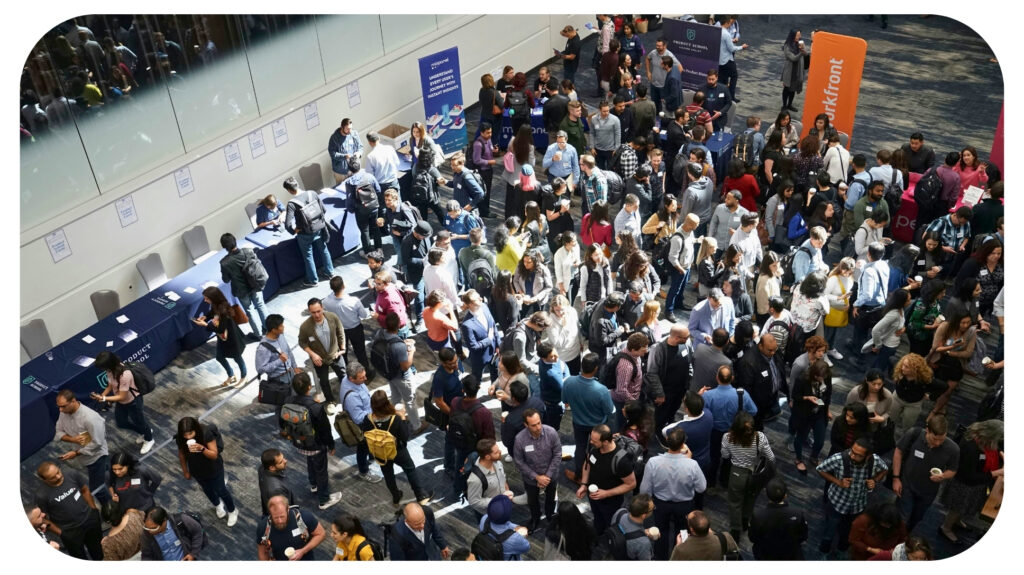
Photo from Unsplash
Staying ahead requires not only innovation but also effective exposure. One avenue some businesses use for achieving this exposure is through trade shows.
This article delves into the various facets of trade shows and what they do for businesses.
What Is a Trade Show?
A trade show is a large-scale event organized to allow businesses within a specific industry to showcase and demonstrate their latest products and services. Unlike public exhibitions, trade shows are primarily attended by company representatives, industry professionals, and members of the press. These events offer a focused environment where participants can engage in discussions, explore innovations, and assess market trends. The essence of a trade show lies in its ability to create an interactive space for business-to-business (B2B) interactions. Exhibitors set up booths or stalls designed to attract attention and generate interest in their offerings.
What Is the Purpose of Trade Shows for Businesses?
Trade shows serve multiple purposes, each contributing to the strategic goals of participating businesses. At their core, these events are designed to facilitate networking and relationship-building. Another key purpose of trade shows is to generate leads and increase sales opportunities. The concentrated gathering of industry professionals means that exhibitors have the chance to engage directly with potential customers who are actively seeking solutions within their domain. Through engaging presentations, interactive displays, and one-on-one conversations, businesses can leave a lasting impression and capture the interest of prospective clients.
What Are Some Types of Trade Shows?
Trade shows come in various forms, each tailored to different industries and objectives. Understanding the different types of trade shows can help you choose the ones that align best with your business goals. Some common types include the following:
- Industry-Specific Trade Shows: These events focus on a particular industry, such as technology, healthcare, or automotive. They bring together companies and professionals who share a common field, providing a concentrated environment for networking and showcasing specialized products.
- Consumer Trade Shows: Unlike industry-specific shows, consumer trade shows are open to the general public. They provide an opportunity for businesses to connect directly with end-users and gain feedback on their products. These shows are often characterized by interactive displays and engaging presentations designed to capture consumer interest.
- Virtual Trade Shows: In the digital age, virtual trade shows have gained prominence. These online events offer a flexible and cost-effective way for businesses to connect with a global audience. Virtual booths, webinars, and networking sessions provide a seamless experience for participants, eliminating geographical barriers.
- International Trade Shows: These events attract participants from around the world, offering a platform for businesses to expand their reach beyond domestic borders. International trade shows provide exposure to diverse markets and allow companies to explore global business opportunities.
How Do Businesses Prepare for Trade Shows?
Preparation is key to ensuring a successful trade show experience. The process begins well in advance, with meticulous planning and coordination. First, define your objectives. Clarifying what you hope to achieve from the trade show will guide your planning process. Are you looking to launch a new product, generate leads, or strengthen brand awareness? Clearly defined goals will help you tailor your approach and measure your success. Next, design an eye-catching booth. Your booth is your brand’s representation at the trade show, so it should be visually appealing and aligned with your brand identity. Consider incorporating interactive elements and technology to engage attendees and leave a memorable impression. Logistics are also a critical aspect of trade show preparation. Coordinating transportation, accommodation, and booth setup requires careful attention to detail. Some businesses may partner with trade show logistics companies. Additionally, training your team is vital. Equip your staff with the knowledge and skills needed to effectively communicate your brand’s message and engage with attendees.
Conclusion
Trade shows serve as platforms for businesses to showcase their offerings, connect with industry participants, and explore market opportunities. For organizations considering trade show participation, thorough planning remains essential.


Most Inside Editorial Team
MostInside is a trusted publication helping people navigate real decisions across health, finance, career, home, relationships and technology since 2009. Straight to What Matters.