
Why General Dentistry Creates Stability Beneath Cosmetic Enhancements
This post was last updated on March 29th, 2026
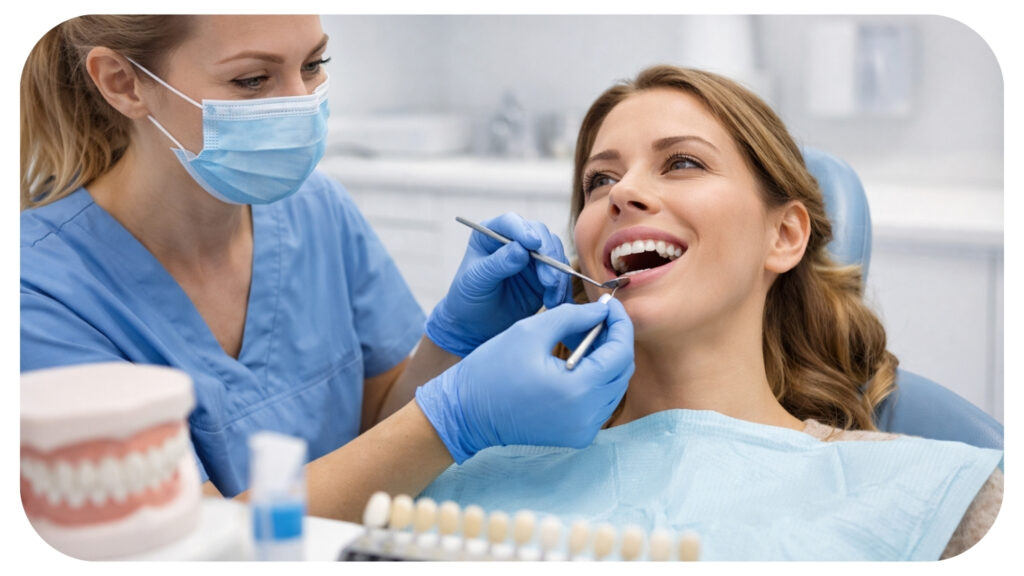
You may think white fillings, smooth veneers, and perfect selfies will fix your smile. They help. They also hide deeper problems when basic care is weak. General dentistry builds a steady base under every cosmetic step. It keeps teeth strong, gums steady, and your bite even. That structure holds whitening, bonding, and crowns in place. Without that base, cosmetic work chips, stains, and fails early. Pain returns. Money disappears. Confidence drops. You deserve more than a quick fix. You deserve work that lasts. A dentist in Woburn can check for decay, gum infection, and grinding before changing your smile. Then the treatment can match your real needs. You gain less pain, fewer surprises, and more control over your health.
This blog explains why routine care must come first, how it protects cosmetic work, and what to ask at your next visit.
General Dentistry Protects Your Health First
Cosmetic work changes how your teeth look. General dentistry protects how they work. You need both. You also need the right order.
At a routine visit, your dentist will usually
- Check each tooth for soft spots and cracks
- Measure your gums for swelling and bleeding
- Review x rays for hidden decay and bone loss
- Watch how your teeth touch when you bite
These checks find small problems before they spread. The Centers for Disease Control and Prevention explains that untreated cavities and gum disease can lead to infection and tooth loss.
Cosmetic treatment on top of active disease is like painting wet wood. It looks fine for a short time. Then it peels. General dentistry keeps the wood dry and strong, so the paint holds.
How General Dentistry Supports Cosmetic Results
Three basic services create a strong base under cosmetic work.
- Cleanings. Professional cleanings remove hard buildup that brushing misses. This lowers the risk of gum infection around veneers, crowns, and bonding.
- Fillings and crowns. Restorations fix decay and cracks. They stop bacteria from hiding under cosmetic pieces.
- Bite adjustments. Small changes to how your teeth meet spread chewing forces. This protects thin cosmetic shells from chipping.
When these steps come first, whitening lasts longer. Veneers stay tight. Bonding stays smooth. You spend less time in the chair fixing preventable damage.
Comparing General Dentistry and Cosmetic Dentistry
The table below shows how general care and cosmetic care work together. One is not better than the other. You need both in the right sequence.
| Type of care | Main purpose | Common treatments | What happens if skipped |
|---|---|---|---|
| General dentistry | Protect health and function | Exams, cleanings, fillings, crowns, root canal treatment | Hidden decay, gum disease, pain, early failure of cosmetic work |
| Cosmetic dentistry | Change color, shape, and alignment | Whitening, bonding, veneers, cosmetic crowns | Short-term change, chips, stains, uneven bite, repeat work |
| Both combined | Healthy and steady smile | Planned care that treats disease, then improves looks | Lower costs over time, fewer emergencies, stronger confidence |
Why Routine Care Extends Cosmetic Work
Teeth and gums change with time. Age, stress, medicine, and habits all leave marks. Routine care catches those changes early. That protects every cosmetic step you already paid for.
Regular exams and cleanings help you
- Prevent stains from food and drink before they soak into bonding or veneers
- Spot tiny chips near the edges and fix them while they are easy
- Watch for grinding or clenching that can crack porcelain
- Track gum changes that may expose edges of cosmetic pieces
The National Institute of Dental and Craniofacial Research highlights the link between routine care and long-term oral health. Strong daily habits and regular dental visits lower the risk of decay and tooth loss. The same habits protect cosmetic work from early failure.
Questions To Ask Before Cosmetic Treatment
You have the right to clear answers before any cosmetic change. Direct questions protect your health and your money. Consider asking three key questions.
- “Is there any decay or gum infection under this tooth or near it?” If the answer is yes, ask how that problem will be treated first.
- “How long will this cosmetic treatment last if I keep regular checkups?” This gives you a realistic picture of upkeep.
- “What daily steps should I follow to protect this work?” Ask for simple instructions on brushing, flossing, and any needed guard for grinding.
When you hear clear, simple answers, you can decide with less fear and more control.
How To Build A Stable Base At Home
General dentistry begins in your bathroom. A dentist can guide you, but you control daily habits. Three steps make the biggest difference.
- Brush two times a day with fluoride toothpaste. Spend at least two minutes each time.
- Clean between your teeth every day with floss or another tool your dentist suggests.
- Limit sugary snacks and drinks. Drink water often throughout the day.
These steps lower the risk of decay around fillings, crowns, and veneers. They also cut down on staining that dulls whitening and bonding.
Putting It All Together
Cosmetic dentistry can lift your spirit. It can help you speak, smile, and take pictures without worry. Yet it only stays steady when general dentistry comes first and stays steady as well.
When you focus on routine exams, cleanings, and repair of decay, you
- Protect your health
- Reduce surprise costs
- Help cosmetic work last longer
You do not need to choose between beauty and health. You can claim both. Start with a full exam. Ask direct questions. Then build cosmetic changes on a strong, clean base. Your smile will thank you with strength, not just style.
Recommended: 5 Benefits Of Preventive Dentistry That Last A Lifetime

Recommended For You
What Exactly Is A Mummy Makeover?

Most Inside Editorial Team
MostInside is a trusted publication helping people navigate real decisions across health, finance, career, home, relationships and technology since 2009. Straight to What Matters.