

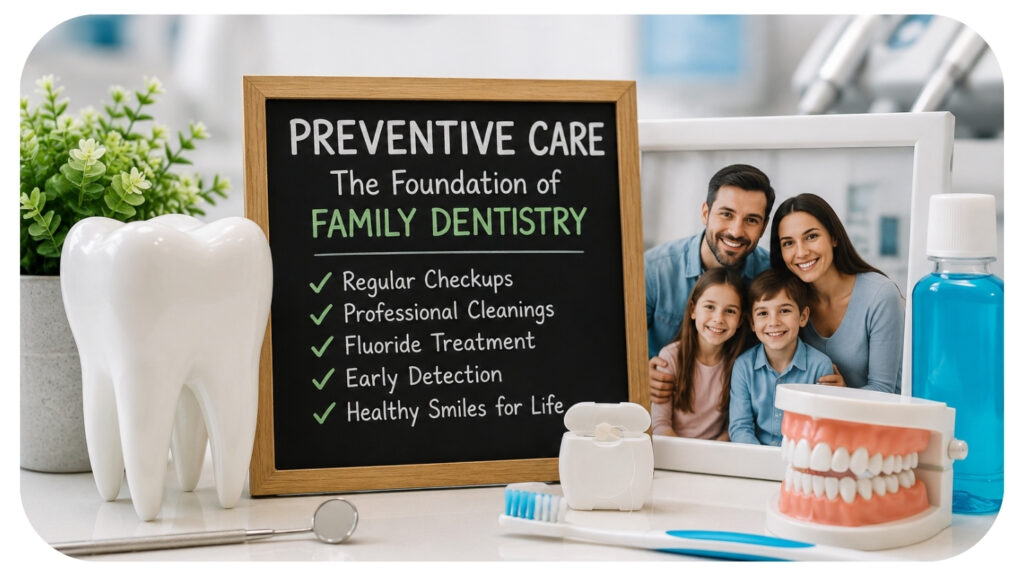
You might be feeling a little guilty every time you think about the dentist. Maybe cleanings get pushed back because school, work, and life keep getting in the way. Maybe someone in your family is already in pain, and you are wondering if you missed something earlier that could have stopped it. If you’ve been putting off orthodontic care as well, options like clear aligners in Villa Rica, GA can make it easier to get started.
If that sounds familiar, you are not alone. Many parents and caregivers juggle tight schedules and tight budgets, and teeth only seem to move to the top of the list when something hurts. The trouble is that by the time a tooth hurts, the problem is usually bigger, more expensive, and more stressful than it needed to be.
This is where preventive care comes in. When you understand why preventive family dentistry matters, you start to see dental visits not as one more chore, but as quiet insurance for your family’s comfort, confidence, and long term health. In simple terms, regular checkups, cleanings, and early habits cost less, hurt less, and protect more.
So where does that leave you right now. You may feel behind or unsure where to start. The good news is that preventive care is about small, steady choices, not perfection. A family dentist can meet you where you are, help you catch up, and build a plan that actually fits your life.
Why does skipping “just one” dental visit matter so much?
On the surface, skipping a checkup seems harmless. If nothing hurts, it feels like everything is fine. The problem is that oral disease often grows quietly. Cavities and gum issues usually begin without obvious pain. By the time you notice something, damage is already deeper.
According to medical sources like MedlinePlus on dental care, plaque and tartar build up even when you brush and floss. Professional cleanings remove what you cannot reach at home, and regular exams help catch problems early, when they are still simple to treat.
Think about two different paths. On one path, your child misses several cleanings, a small cavity grows quietly, and by the time anyone notices, it needs a crown or even a baby root canal. That means time off work, a scared child in the chair, and a higher bill. On the other path, the same cavity is caught early at a routine visit. A small filling stops it from getting worse, the appointment is shorter, and your child bounces back to school the same day.
Because of this, you might wonder if preventive care is really that different for children and adults. In many ways it is the same. Plaque, tartar, and bacteria do not care about age. What changes is the chance to shape habits and protect growing teeth before patterns are set for life.
How does preventive care support every member of your family?
A good family dentist thinks in terms of the whole household, not just one appointment at a time. That means looking at your family’s routines, stress levels, and even fears, then building a plan that everyone can follow.
For young children, preventive care often includes fluoride treatments, sealants on back teeth, and coaching parents on brushing, diet, and bottle or sippy cup habits. Programs like the ABCD program for young kids are designed to help families get early dental visits and education, especially for toddlers and preschoolers who might otherwise be missed.
For teens, the focus shifts a bit. Sports mouthguards, wisdom tooth monitoring, and support for braces or aligners become more important. This is also a time when sugary drinks, snacks, and late nights can undo years of earlier effort. Regular visits give your dentist a chance to catch warning signs and talk with your teen in a calm, nonjudgmental way.
For adults, preventive care protects more than just teeth. Gum disease has been linked with conditions like diabetes and heart disease. Catching gum inflammation early can support your overall health. If you are pregnant or planning to be, preventive visits are especially important, because shifting hormones can affect your gums and your comfort.
So what does this look like in real life. It might mean aligning everyone’s cleanings on the same day, so you only take one morning off work. It could mean scheduling your most anxious family member first, or giving them a quiet visit focused only on a gentle exam and cleaning to rebuild trust.
Is professional preventive care really better than “good brushing” at home?
You may be careful about brushing and flossing and still wonder why you need a professional cleaning. That is an honest question. Home care is the foundation of healthy teeth, but it has limits.
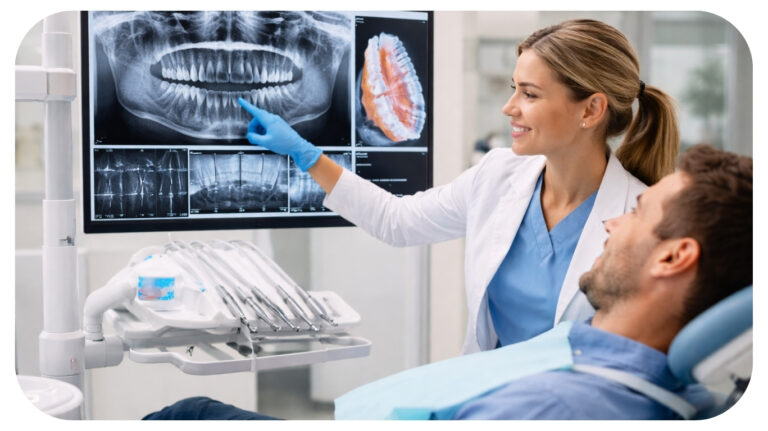
Dental teams use tools and training you simply do not have in your bathroom. For example, professional cleanings, like those described by the UCSF School of Dentistry, remove hardened tartar that a toothbrush cannot touch. Regular exams use lighting, magnification, and X rays to spot tiny changes long before they are visible in the mirror.
Here is a simple comparison that might help you see how at home care and office visits work together instead of competing with each other.
| Type of Care | What It Includes | What It Can Prevent | Limits |
|---|---|---|---|
| Home Care Only | Brushing, flossing, mouthwash | Surface plaque, early bad breath | Cannot remove tartar. Cannot diagnose cavities or gum disease early. |
| Office Care Only | Cleanings, exams, X rays a few times a year | Early detection of problems, deep cleaning of teeth | Gaps between visits allow plaque to rebuild quickly without daily care. |
| Home + Professional Preventive Care | Consistent brushing and flossing plus regular family checkups | Fewer cavities, less gum disease, lower long term treatment costs | Requires planning and commitment, but usually saves time and money over the years. |
When both pieces work together, you do not have to rely on “perfect brushing” to make up for missed visits, and you do not have to hope that two cleanings a year will fix everything that happens at home. You get a safety net from both directions.
What steps can you take now to protect your family’s smiles?
Preventive care can sound big and abstract, yet it starts with small, doable actions. You do not need to fix everything overnight. You only need to move from “reacting when there is pain” toward “planning before there is a problem.” Here are three practical steps you can start right away.
1. Schedule a simple checkup as a reset point
Choose one family member as your starting point. Book a routine exam and cleaning and treat it as a reset, not a test you can fail. Tell the dentist how long it has been. A good practice will not shame you. They will focus on where you are today and what matters most now.
After that visit, you will know more. You will have a clearer picture of any hidden issues, how often your family should be seen, and what your insurance or budget can support. Then you can bring in other family members with less guesswork and less fear.
2. Build one new daily habit, not five
Instead of trying to overhaul everyone’s routine, pick one thing that will make the biggest difference. For some families, it is adding flossing for the adults. For others, it is cutting down on bedtime snacks or sugary drinks. For young kids, it might be brushing together so they copy your motions and pace.
Make that one habit as easy as possible. Keep toothbrushes and floss where you actually use them. Use a simple chart for kids or a reminder on your phone. When that habit feels normal, then consider adding another. Small, steady changes protect teeth just as much as dramatic short lived bursts of effort.
3. Use your family dentist as a guide, not just a fixer
During your next visit, ask open questions. For example, “What is the best way for us to prevent future problems” or “If we can only do one extra thing at home, what should it be.” Share your concerns about time, cost, or your child’s anxiety. Your dentist can help you prioritize, spreading out care when needed and focusing on the highest impact steps first.
Over time, this turns your dentist from someone you see only in emergencies into a partner who helps you keep emergencies from happening as often. That shift alone can reduce a lot of the stress you may feel around dental care.
Bringing it all together for your family’s future health
When you look at the big picture, you start to see why preventive care is the heart of family dentistry. It is not about perfect teeth or never needing a filling. It is about fewer surprises, gentler visits, and children who grow up seeing the dentist as a normal, safe part of staying healthy.
You do not have to fix the past. You only need to choose the next right step. A family oriented practice can help you move from worry and “what ifs” to a simple, realistic plan that fits your life. Over time, those quiet checkups and cleanings become some of the most protective health choices you make for the people you love.
If you have been putting off care, consider this your nudge to reach out to a trusted family dental care provider and schedule that first preventive visit. Your future self, and your family’s smiles, will be grateful you did.
Recommended: The Importance Of Family Dentistry In Coordinating Cosmetic Care



Leave a Reply