

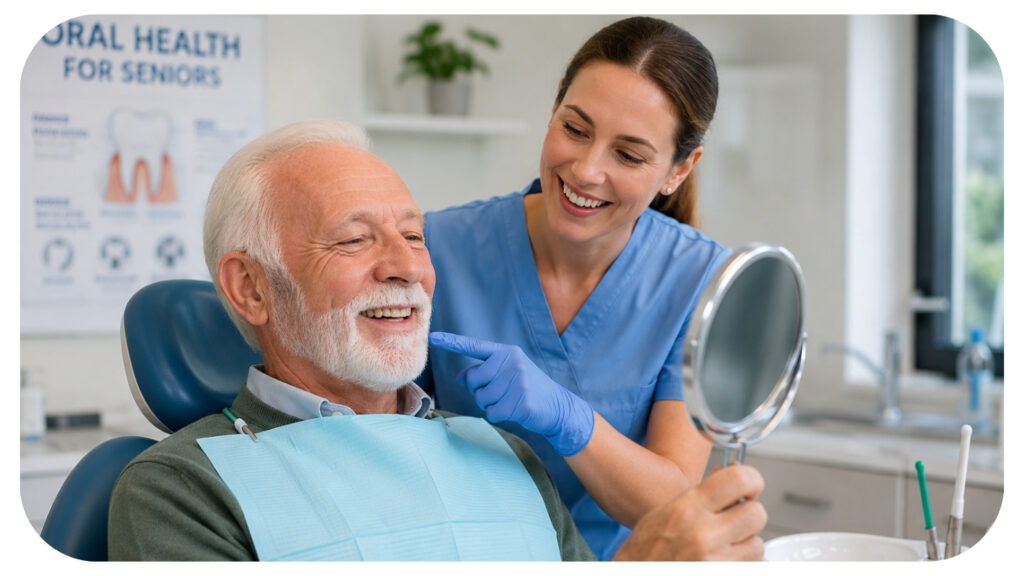
You might be noticing that oral care feels different now than it did years ago. Maybe dental visits have become more stressful, your gums feel tender, your mouth feels dry, or you are worrying about keeping your teeth as you age and wondering whether you might someday need an emergency dentist in Hoffman estates. You are not imagining it. Getting older changes your body, and your mouth is part of that story.end
At the same time, you might be hearing that you “just need to keep up with checkups,” which sounds simple on paper but feels harder in real life. There are costs to consider, mobility issues, complicated medication lists, and sometimes a bit of fear about what the dentist might find. Because of all this, you might quietly put things off, hoping it will be fine.
Here is the core message. Preventive dentistry for seniors is not about a perfect smile. It is about comfort when you eat, confidence when you talk, and avoiding painful and expensive emergencies later. Regular care, small daily habits, and a trusted general dentist can often mean fewer problems, less pain, and more control over your health.
So, where does that leave you right now? It means you have more power than you think. With the right information and a few steady steps, you can protect your mouth, support your overall health, and make aging a bit easier on yourself and the people who care about you.
What changes in your mouth as you age, and why does it matter so much?
As the years go by, your mouth carries the history of everything you have eaten, every medication you have taken, and every health condition you have managed. That history can show up as worn teeth, receding gums, dry mouth, or sensitive spots you never had before.
Many older adults are surprised to learn that gum disease is extremely common and often silent in the early stages. You might not feel pain until the infection is advanced. According to public health data, a large share of seniors have untreated cavities or gum issues that could have been caught earlier with simple preventive visits. Resources like the National Institute of Dental and Craniofacial Research explain these age-related risks clearly, and they confirm what many people already suspect in their gut. Things get more complicated with age, not less. You can read more about these age-related oral health changes from the NIDCR’s guidance for older adults.
This is where the idea of preventive dental care for older adults becomes so important. Instead of waiting for a broken tooth, an infection, or a denture that suddenly stops fitting, preventive dentistry focuses on regular checkups, cleanings, early treatment of small problems, and advice about daily care at home. It aims to keep trouble small and manageable.
Without this approach, small issues can quietly grow. A little bleeding when you brush can slowly turn into gum disease that affects your chewing and even your heart health. A tiny cavity that could be handled with a simple filling can become a painful infection that needs a root canal or extraction. The emotional weight of this grows too. Worry about bad breath, loose teeth, or difficulty eating can make social situations and family gatherings feel harder than they should.
How can neglected oral health affect your daily life as a senior?
Think about a simple day. You wake up, have breakfast, talk with family or friends, maybe take a walk. Your mouth is part of every one of those moments. If it hurts to chew, you might avoid crunchy fruits or vegetables and lean on softer, less nutritious foods. Over time that can affect your weight, your energy, and even your blood sugar if you live with diabetes.
If your dentures rub or your gums feel sore, you might talk less or smile less. People around you may not know why. They may just sense that you are pulling back a little. That quiet withdrawal can feel lonely, even when you are surrounded by others.
There is also the financial side. It is understandable to put off a checkup to avoid a bill. The hard part is that postponing care often leads to much higher costs later. An untreated cavity or gum infection can turn into an emergency visit, more complex work, and more time in the dental chair. That is stressful for you and for anyone helping you manage appointments.
So you might be wondering, is there anything simple you can do that truly makes a difference now?
Yes. A trusted general dentist for seniors can help you build a plan that fits your health, your budget, and your mobility. They can coordinate with your medical team, review your medications that cause dry mouth, suggest products that protect your enamel, and schedule preventive visits at a pace that feels realistic. Public health resources, such as the MyHealthfinder quick tips for older adults, offer simple reminders you can start using today.
What does preventive dentistry for seniors actually include, and how does it compare?
Preventive dentistry is not one single procedure. It is a set of habits and professional care that work together. Some parts you handle at home. Some parts require a professional. Understanding the difference helps you decide where to focus your time and money.
Here is a simple comparison of common “do it yourself” steps and professional preventive care from a general dentist, and how they support your long term oral health.
| Type of Care | What You Can Do Yourself | What Your General Dentist Provides | Why It Matters For Seniors |
|---|---|---|---|
| Daily Cleaning | Brushing twice a day with fluoride toothpaste, cleaning between teeth with floss or interdental brushes | Guidance on technique, suggestions for electric brushes or special tools if you have arthritis or limited mobility | Reduces plaque build up, protects gums, and helps you avoid cavities between teeth |
| Dry Mouth Care | Sipping water often, avoiding tobacco and sugary drinks, using sugar free gum or lozenges | Review of medications that cause dry mouth, prescription rinses or gels, fluoride treatments | Dry mouth increases decay risk. Managing it can prevent painful and costly problems |
| Checkups & Screenings | Self checks for sores, lumps, or changes in your mouth, reporting symptoms early | Regular exams, professional cleanings, oral cancer screenings, early detection of gum disease and cavities | Early detection often means simpler treatment, less discomfort, and lower cost |
| Diet & Habits | Choosing tooth friendly snacks, limiting frequent sugary drinks, not using teeth as tools | Personalized advice based on your health conditions, such as diabetes or heart disease | Supports both oral and overall health, especially when medical conditions are present |
Public health experts emphasize that both sides matter. Home care and professional care work together. For more practical ideas that you can use every day, you can review the CDC’s oral health tips for adults. Many of those tips are especially helpful for seniors managing multiple health conditions.
Three practical steps you can take right now to protect your senior oral health
1. Schedule a preventive visit before something hurts
Waiting for pain is a very human habit, but it rarely works in your favor with teeth and gums. If it has been more than six to twelve months since you saw a general dentist, choose a date and schedule a checkup focused on prevention, not just fixing problems. Tell the office you are interested in a gentle, preventive visit and that you want extra time to review your medications and health history. A good team will respect that.
2. Simplify your daily routine so you can actually stick with it
Complicated routines often fall apart. Aim for simple and realistic. Use a soft brush and fluoride toothpaste twice a day. If your hands are stiff, consider an electric toothbrush with a larger handle that is easier to grip. Clean between your teeth once a day with floss, floss holders, or small brushes made for tight spaces. If you wear dentures, remove and clean them every day and give your gums time to rest. Small, consistent steps support strong senior oral health more than occasional intense efforts.
3. Talk openly with your dentist about money, fear, and long term planning
You are allowed to say, “I am worried about costs” or “I feel nervous in the chair” or “I want to keep my teeth as long as I can, but I need a plan that fits my budget.” A supportive general dentist will help you prioritize. That might mean starting with treating active infection, planning preventive cleanings at a frequency that protects you, and spacing out non urgent work. When you share your concerns honestly, you gain an ally who can guide you instead of pushing you.
Moving forward with confidence, one small step at a time
Aging brings enough uncertainty. Your oral health does not have to be another mystery hanging over you. By focusing on preventive dentistry for seniors, you give yourself a better chance at comfortable eating, clearer speech, and less worry about sudden dental emergencies.
You do not need to fix everything at once. Start with one action. Schedule a preventive visit. Adjust your brushing routine. Or simply talk with a trusted general dentist about your questions and fears. Each small step is an investment in your comfort, your confidence, and your independence.
You deserve a mouth that supports the life you want to live, not one that holds you back. Take the next step toward that today.
Recommended: 4 Services That Make Family Dentistry The Most Convenient Option



Leave a Reply