

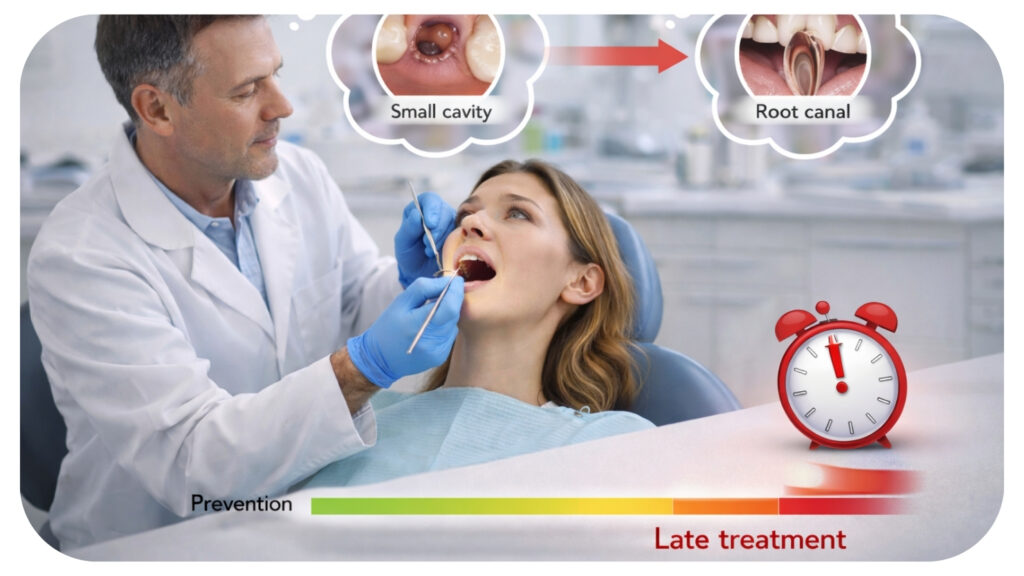
Preventive dentistry protects your mouth and your wallet. You brush, floss, and see your San Antonio dentist for checkups. These simple steps catch small problems early. A small cavity costs less than a root canal. A quick cleaning costs less than treating gum disease. Early care also means less time off work and fewer painful emergencies. You avoid late night urgent visits that drain savings and cause fear. Instead, you plan care on your schedule. You keep teeth longer. You eat without pain. You feel more in control. Preventive visits also build a record of your health. That record helps your dentist spot patterns and stop new problems fast. Your choices today shape your future costs. Ignore your teeth and bills grow. Respect your teeth and costs shrink.
This blog explains how steady preventive care leads to lower long term costs.
How Tooth Problems Grow Into Big Bills
Tooth problems start small. They grow when you wait. A tiny soft spot in the enamel may not hurt. Then bacteria spread. The cavity deepens. The nerve becomes exposed. Pain starts. At that point a simple filling may not work. You may need a root canal, a crown, or even an extraction.
Each step up in treatment raises the cost. It also raises the time you spend in the chair. You may miss work. Your child may miss school. Your stress rises. Your budget feels tight. All of this often begins with plaque that stayed on the teeth too long.
Routine cleanings and exams break that chain. They stop small trouble before it becomes a crisis. That is how prevention lowers long term costs.
Cost Comparison: Prevention Versus Delay
National health sources show clear cost gaps between early care and crisis care. The numbers vary by state and plan. Yet the pattern stays the same. Small steps cost less than late treatment.
| Type of Visit or Treatment | Typical Timing | Relative Cost Level | Impact On Future Costs |
|---|---|---|---|
| Routine exam and cleaning | Every 6 to 12 months | Low | Prevents cavities and gum disease. Cuts emergency visits. |
| Fluoride treatment or sealants for kids | During checkups | Low | Reduces decay. Limits need for fillings and crowns. |
| Small filling | When decay is caught early | Medium | Stops spread of decay. Avoids root canal or extraction. |
| Root canal and crown | When decay reaches the nerve | High | Saves tooth but costs far more than early filling. |
| Emergency visit with extraction | When pain becomes severe | High | Leads to later cost for bridge, implant, or denture. |
For general cost patterns, you can review data from the Centers for Disease Control and Prevention’s oral health facts. You can also see preventive care guidance from the National Institute of Dental and Craniofacial Research.
Why Prevention Helps Your Whole Family Budget
Healthy teeth support a steady budget. You can plan for routine visits. You know what you will pay each year. This helps you set money aside. It also helps you pick dental coverage that fits your needs.
Emergency visits do the opposite. They strike without warning. They often happen at night or on weekends. Costs climb. You may also pay for urgent medicines. You may need follow-up visits. These surprise bills can break savings and raise stress at home.
When each family member keeps up with cleanings and exams, three things happen.
- Fewer surprise visits.
- Shorter treatment times.
- Lower risk of tooth loss and costly repair work.
Preventive Steps That Save Money Over Time
You can protect your mouth and your budget with three basic habits.
- Brush twice a day with fluoride toothpaste.
- Floss once a day to clean between teeth.
- Schedule regular dental exams and cleanings.
For children, add these steps.
- Ask about sealants on back teeth.
- Use a small amount of fluoride toothpaste as directed.
- Limit sugary drinks and snacks between meals.
For adults, also focus on.
- Quitting tobacco.
- Limiting alcohol.
- Wearing a mouthguard during sports.
Each of these choices lowers the chance of decay, gum disease, and injury. Each problem you avoid means one less bill in the future.
Long Term Costs Of Tooth Loss
Tooth loss carries a heavy price. At first, you may think an extraction is cheaper than saving a tooth. Over time, the story changes. Missing teeth affect how you chew and speak. Neighboring teeth may shift. Your bite may change. Jawbone can shrink. You may need a bridge, a partial denture, or an implant.
These options cost much more than early care. They may also need upkeep or replacement. The long term cost of one lost tooth can far exceed the price of years of cleanings and small fillings. Saving natural teeth through prevention almost always protects your finances.
Planning Your Next Steps
You have control over many of your future dental costs. You do not control every accident or illness. You do control what you do each day. You can form simple habits. You can set reminders for checkups. You can talk with your dentist about your risk and your budget.
Start with three steps today.
- Look at your last dental visit date. If it has been over six months, schedule an exam and cleaning.
- Check your daily routine. Make sure you brush twice a day and floss once a day.
- Review family habits. Set a shared plan for snacks, drinks, and bedtime brushing.
These steps may feel small. Over years, they protect your health and your savings. You deserve steady care, fewer shocks, and a mouth that lets you eat and speak without pain. Preventive dentistry gives you that path and keeps long-term costs as low as possible.
Recommended: 3 Cosmetic Dentistry Treatments Ideal For Busy Parents



Leave a Reply