

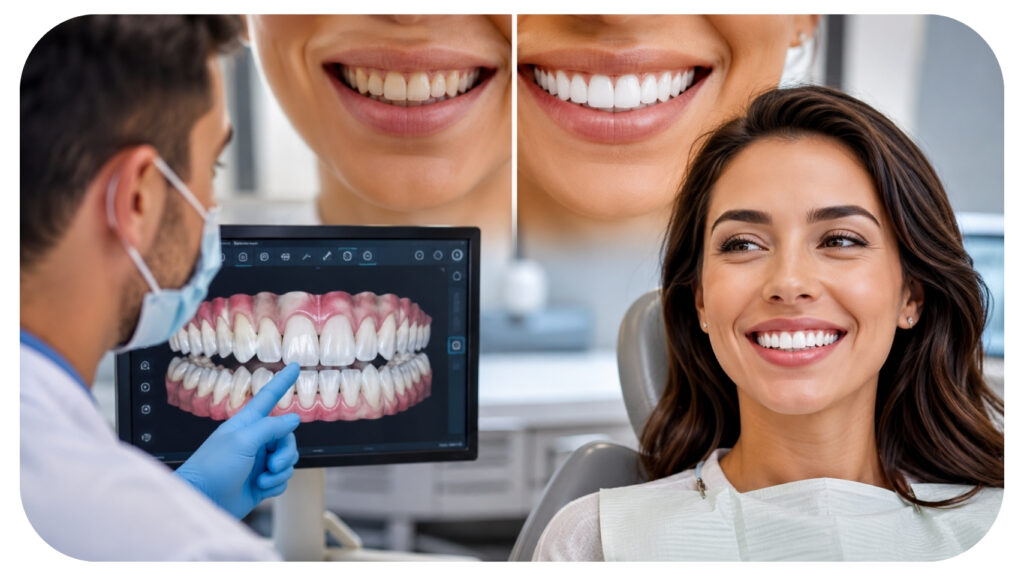
You might be thinking about whitening your teeth, fixing a chipped front tooth, or finally starting that full smile makeover East Grand Rapids you have been putting off for years. At the same time, there may be a quiet worry in the back of your mind. What if you invest time, money, and emotional energy into changing your smile, only to have problems show up later. Cavities under veneers. Sensitivity after whitening. Crowns that do not last as long as you hoped.end
If that sounds familiar, you are not alone. Many people focus on the “after” photo of a smile transformation and feel both excited and nervous. Because of this tension, you might wonder how to protect that new smile so it actually lasts.
Here is the simple truth. Beautiful cosmetic results sit on top of something more important. Healthy teeth, stable gums, and good daily habits. Preventive dentistry for smile makeovers is what quietly does the heavy lifting. It reduces the risk of pain, surprise costs, and early failure of cosmetic work. When prevention is handled well, cosmetic treatment tends to look better, feel better, and stay that way longer.
This is about more than cleanings or “being good” with floss. It is about creating a plan so your future smile is not just attractive for a photo, but strong and comfortable in everyday life.
Why cosmetic work without prevention often falls short
Imagine you are repainting a house with peeling, cracked walls. You could put on a fresh coat of paint and it might look good for a little while. But if no one scraped the old paint, repaired the damage, or sealed the surface, the new paint will start to bubble and chip again. Cosmetic dentistry without prevention is a lot like that.
The problem usually starts quietly. Maybe your gums bleed when you brush, or you notice a bit of sensitivity when you sip cold water. You tell yourself it is not a big deal, especially if you are focused on fixing crooked or stained teeth first. Over time, that small problem can become a cavity under a filling, early gum disease around a veneer, or bone loss around an implant.
Emotionally, this can be exhausting. You may feel embarrassed that your “new smile” is already having issues. You might even blame yourself, thinking you should have brushed more or gone to the dentist sooner. Financially, it can be frustrating to pay to repair or replace cosmetic work earlier than expected. It is common to hear, “I thought this crown would last longer” or “I just had these veneers done, why are my gums inflamed already.”
So where does that leave you. It leaves you with a choice. You can treat cosmetic care as a quick fix. Or you can see it as the final layer placed on top of a strong, well protected foundation.
When prevention comes first, everything changes. Your dentist has a clearer view of which teeth can handle whitening, bonding, or veneers. Small cracks or early decay can be treated before they are covered. Gum health can be stabilized so your smile line looks even and natural. This is what people often mean, even if they do not use the exact words, when they talk about a strong preventive approach to cosmetic dentistry.
How preventive care and smile makeovers work together
To understand how preventive dental care for cosmetic treatment works in real life, it helps to picture a few “what if” scenarios.
What if you want teeth whitening. If your gums are inflamed or you have exposed root surfaces, whitening gels can cause stinging and deep sensitivity. By treating gum issues and using fluoride to strengthen enamel first, you can usually whiten more safely and comfortably. You also avoid whitening over hidden decay, which could worsen the problem.
What if you are considering veneers. Veneers can transform color and shape, yet they rely on the health of the tooth underneath and the gum around it. If plaque and bacteria are not controlled, decay can start at the edges of the veneer where it is hard to see. A preventive plan that includes professional cleanings, careful home care, and regular checks of the veneer margins makes it much less likely that decay will sneak in.
What if you need crowns or implants. These are bigger investments, financially and emotionally. They also face everyday stress from chewing. If your bite is not balanced, if you grind your teeth at night, or if you have active gum disease, crowns and implants are under pressure from day one. Prevention here means more than just cleaning. It might involve bite adjustments, night guards, and gum therapy so your new work has a stable environment.
Research supports this connection between prevention and long term outcomes. Strong daily home care, like the brushing and flossing habits described by the National Institute of Dental and Craniofacial Research, greatly lowers the risk of cavities and gum disease that can damage cosmetic work. You can read more about those basics in their guide on good oral hygiene practices.
Even in very challenging settings, such as prisons, structured preventive programs have been shown to reduce dental problems and the need for emergency treatments. A clinical practice guideline from the Federal Bureau of Prisons outlines how consistent oral health education and prevention change outcomes. If prevention matters that much in high risk environments, it is easy to see how it supports everyday smile transformations too. You can see how they frame prevention in their dental preventive care guideline.
What does prevention really change for your smile makeover
When you look at it closely, prevention affects almost every part of your cosmetic journey. From comfort during treatment, to how long results last, to how often you need repairs. The table below gives a simple comparison of outcomes when prevention is treated as an afterthought versus when it is built into the plan from the beginning.
| Area of Care | Cosmetic Focus Only | Cosmetic + Preventive Focus |
| Comfort during and after treatment | Higher chance of sensitivity or gum soreness, especially with whitening or veneers | Issues like inflammation and early decay are treated first, so procedures tend to feel gentler |
| Longevity of cosmetic work | Restorations may fail earlier due to hidden decay or gum disease | Clean, stable teeth and gums support crowns, veneers, and bonding for more years |
| Unexpected costs over time | More surprise repairs, emergency visits, or replacements | More planned maintenance visits, fewer urgent problems |
| Gum line appearance | Possible uneven gums or dark spaces near the edges of restorations | Healthier gums that frame teeth evenly and support a natural look |
| Daily confidence | Worry that something is “wrong” under the cosmetic work | Peace of mind that both the look and the health of your smile are being watched |
So, where does that leave you today, if you are thinking about changing your smile or already in the middle of treatment. It means you have more control than you might realize. You can ask different questions. You can look beyond the before and after photo and pay attention to the plan that will protect your results year after year.
Three steps you can start right now to protect your future smile
1. Get a clear picture of your current oral health
Before talking about whitening shades or veneer shapes, ask for a straightforward assessment of your teeth and gums. Are there early cavities. Is there any bone loss around your teeth. Are your gums inflamed or receding. A good cosmetic plan starts with honest answers to these questions.
Do not be afraid to say, “I want cosmetic treatment, but I also want to know what needs to be fixed or stabilized first.” This shifts the conversation from quick improvement to long term health. It also helps you avoid starting cosmetic work on teeth that might need more support.
2. Build a daily routine that matches your goals
Think of your home care as insurance for your investment. This does not need to be complicated. Twice daily brushing with a fluoride toothpaste, cleaning between your teeth, and limiting constant snacking on sugary or acidic foods already makes a real difference. If you have sensitive areas or a history of decay, your dentist may suggest specific rinses or pastes to strengthen your enamel before and after procedures.
Ask for practical, realistic suggestions that fit your life. For example, if you struggle to floss at night because you are tired, you might use a water flosser in the shower. The goal is not perfection. The goal is consistency that supports your cosmetic work and respects the time and money you are putting into it.
3. Treat maintenance visits as part of the makeover, not an afterthought
Once your cosmetic work is complete, it can be tempting to stretch out checkups. Especially if you are not in pain. Yet this is exactly when quiet problems can begin. Small chips, tiny gaps at the edge of a veneer, or early gum changes are easiest to fix when they are found early.
Ask your dentist to outline a maintenance plan tailored to your situation. This might include more frequent cleanings for a season, bite checks if you grind your teeth, or regular review of any bonding or veneers. When you see these visits as part of your smile transformation, not as separate chores, they feel more meaningful and less like yet another appointment on your calendar.
Bringing it all together with prevention at the center
You might be feeling both hopeful and cautious about changing your smile. You want to feel proud when you see yourself in photos. You also want to avoid the disappointment of work that does not last. The good news is that you do not have to choose between beauty and health. When preventive dentistry for cosmetic treatment is part of the plan, those two goals support each other.
By understanding your current oral health, building workable home habits, and treating maintenance as a natural part of your makeover, you give your new smile its best chance to stay strong. You deserve results that do not just look good on day one, but still feel right years from now.
The next step is simple. Start the conversation. Ask your dental team how prevention will be woven into your cosmetic plan, and what you can do at home to protect your investment. You are not asking for anything extra. You are asking for the kind of thoughtful care that helps your smile transformation truly last.
Recommended: Preventive Dentistry Meets Preventive Aesthetics: A Modern Wellness Approach


Leave a Reply