

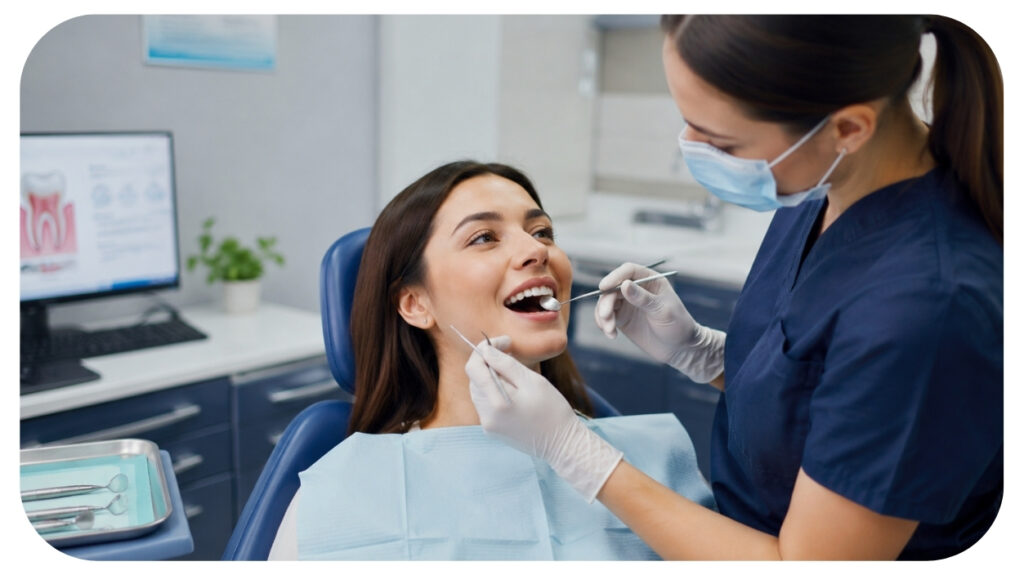
You may skip routine dental visits to save money. That choice often backfires. Small problems grow. Simple cleanings turn into root canals and extractions. You face pain, missed work, and big bills. Regular checkups cost less than emergency care. They also protect your health. Gum infection links to heart disease and diabetes. A dentist spots these warning signs early. That helps you avoid hospital costs and long treatments. If you see a trusted dentist in Chalfont, PA every six months, you pay for cleanings and exams, not crisis care. You keep teeth longer. You avoid dentures and implants. You feel more at ease in daily life. This blog explains how routine dental care cuts costs over years. It shows what happens when you wait. It gives simple steps you can start this year.
How Small Dental Problems Turn Into Big Bills
Tooth decay usually starts tiny. A soft spot. A small cavity. Gum disease often starts with red gums and light bleeding. At that stage, care is simple. A short visit. A low bill. Little stress.
When you wait, three things happen.
- Decay spreads into deeper tooth layers.
- Gums pull away from teeth and form pockets.
- Bacteria reach the bone and blood.
Then you move from a quick filling to a long root canal. Or to an extraction and a replacement tooth. Each step raises the cost. You also lose time from work or school. You may need pain medicine. You may need more visits to fix one tooth that once needed a simple filling.
Real Cost Comparison: Prevention Versus Crisis
Every office sets its own prices. Still, the pattern is clear. Preventive care costs less than repair. The Centers for Disease Control and Prevention explains that sealants and regular care prevent most cavities in children and teens.
The table below shows sample costs. These are rough ranges from public sources and dental school data. They show how skipping cleanings can raise total cost over time.
| Type of Visit or Treatment | Typical Frequency | Sample Cost Range (per visit or tooth) | What Happens If You Wait |
|---|---|---|---|
| Routine exam and cleaning | Every 6 months | $75 to $200 | Missed exams let decay and gum disease grow unseen. |
| Fluoride and sealants for kids | Every 6 to 12 months | $30 to $60 each | Higher risk of cavities that need fillings or crowns. |
| Simple filling | As needed | $150 to $300 | Delay lets decay reach the nerve and bone. |
| Root canal and crown | As needed | $1,200 to $2,500 | Further delay can lead to tooth loss. |
| Extraction and basic replacement | As needed | $300 to $4,000+ | Loss of chewing strength and more stress on other teeth. |
One cleaning visit often costs less than a single tank of gas. One root canal and crown can match a rent or mortgage payment. Over ten years, regular checkups almost always cost less than repeated emergency work.
Hidden Costs You Often Do Not See
The bill from the dentist is only part of the price. You also face costs that do not show on a receipt. These costs hurt your life and your budget.
- Lost hours. Emergency visits pull you from work or school with no warning.
- Travel. You may need to visit a specialist far from home.
- Pain and stress. Tooth pain drains your focus and sleep.
You may also need help with child care or elder care while you sit in a waiting room. You may buy soft food or special supplies. You might delay other bills to cover a sudden treatment. Routine care cuts these shocks. It gives you control.
How Dental Health Ties To Your Body And Wallet
Your mouth connects to your whole body. Bacteria from infected gums can travel through the blood. The National Institutes of Health and the National Institute of Dental and Craniofacial Research share that poor oral health links to heart disease, diabetes, and pregnancy problems.
When gum disease flares, you may need more doctor visits. You may need more medicine. You may face a higher risk of heart events or blood sugar swings. Those health crises cost far more than checkups and cleanings.
Good oral care supports three things.
- Steady energy for work and school.
- Clear speech for interviews and meetings.
- Comfort when eating, drinking, and smiling.
These strengths protect your income. They also protect your confidence in social settings and family life.
Routine Care For Children Saves Money For Life
Children who see a dentist early tend to need fewer fillings, crowns, and extractions later. First visits should start by the first birthday or when the first tooth comes in. Regular care helps in three key ways.
- Teeth grow in cleaner and stronger.
- Parents learn how to brush and floss a child’s teeth.
- Fear of the dentist stays low.
Many states offer low-cost or free care for children through Medicaid or the Children’s Health Insurance Program. Early use of these benefits can prevent painful infections. It can prevent emergency room visits. An emergency room visit for tooth pain often costs hundreds of dollars. It rarely fixes the root cause. A simple preventive visit could have stopped that pain before it started.
Simple Daily Habits That Protect Your Budget
You cannot control every health event. You can still build three simple habits that protect your teeth and your wallet.
- Brush twice each day with fluoride toothpaste.
- Floss once each day to clean between teeth.
- Choose water over sugary drinks most of the time.
These habits cost little. A toothbrush, toothpaste, and floss cost less per month than one fast food meal. Yet they help you avoid many fillings. They also support fresh breath and strong gums.
Planning Your Dental Budget
Routine care works best when you plan for it. You can take three key steps.
- Set a calendar reminder for two checkups each year.
- Put a small amount of money each month into a health fund.
- Ask your office about payment plans before you need them.
If you have dental insurance, read what it covers. Many plans pay more for preventive care than for major work. Some cover cleanings at no extra cost. Use those benefits. If you do not have insurance, ask about discount plans, sliding scales, or care at dental schools. Dental school clinics often provide lower-cost treatment under close faculty guidance.
When You Already Feel Behind
You might already have pain or past due bills. You might feel shame or fear. You are not alone. Many people delay care because of money, fear, or past bad experiences. Waiting longer only raises the cost and the pain.
Take three honest steps.
- Call a local office and ask for a checkup and plan, not perfection at once.
- Tell the team about your budget and your fears.
- Start with the tooth or gum problem that hurts the most.
A clear plan lets you spread care over months or years. It turns a crisis into a series of small steps. Each step protects your health and your money.
Key Takeaway
Routine dental care does not just protect your smile. It protects your savings, your time, and your peace of mind. Regular cleanings and exams catch problems while they are small and cheap to fix. Waiting turns small fixes into large, painful, and costly treatments. Choose steady care now. Your future self will carry fewer bills, fewer regrets, and stronger teeth.
Recommended: How General Dentistry Offers Peace Of Mind Through Consistency



Leave a Reply