
From Torah Scrolls to Textbooks: A Journey Through the Hebrew Language with Adam & Daniel Kaplan
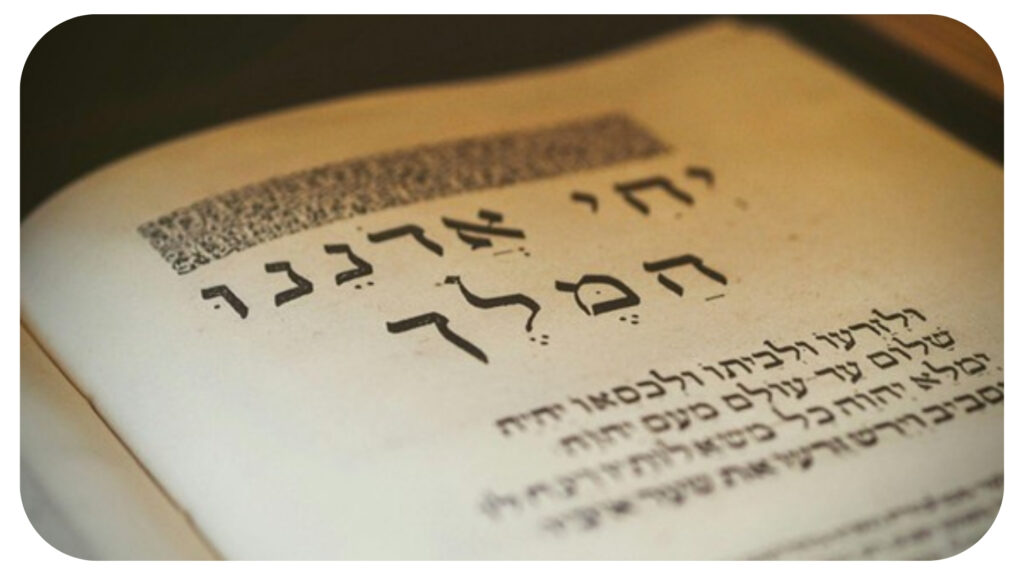
Few childhood experiences carry the weight and warmth of sitting beside family in a synagogue, voices rising together in ancient songs. For brothers Adam and Daniel Kaplan, these moments of reading and chanting from the Torah left lasting marks.
As children, their excitement to trace Hebrew letters and sing along with the congregation shaped every part of their lives. Decades later, long after their Saturdays filled with melodies and tradition, both brothers found themselves serving as Hebrew Teaching Assistants at the University of Rochester.
Their deep roots in the language followed them into professional life, driving success in finance and consulting. For Adam and Daniel Kaplan, Hebrew was more than speech, it became a key to community, identity, and growth.
Childhood Roots: Hebrew in the Synagogue and Home
Long before Adam or Daniel Kaplan thought about teaching, their journey began on wooden benches in their family’s synagogue. The heavy scrolls, inked with age-old symbols, acted as their first textbooks. As their father whispered along with the cantor, the boys followed each sound, finding rhythm in syllables and connection in every repeated word.
Reading from the Torah is not just about words on parchment. Each letter is written by hand, with curves and crowns meant to be seen and felt.
Adam remembers the hush that fell over the congregation as he approached the bimah, the platform where the Torah rests. Daniel recalls the pressure in his chest, steadying his breath to match the ancient tune.
“The scrolls demanded respect, with rules on how to touch, read, and return them,” says Daniel E. Kaplan. “This ritual taught both brothers that Hebrew was a treasure to be cared for.”
These early encounters didn’t just teach language. They built respect for history and the unbroken chain that links generations.
At home, Hebrew shaped daily life. Adam and Daniel’s parents believed in strong roots, so they filled their home with songs, prayers, and sayings that stretched back centuries. Meals began and ended with Hebrew blessings, and holidays revolved around shared retellings of old stories.
In their synagogue, families formed tight bonds that helped children learn and grow together. The Kaplan brothers actively participated in community study sessions and summer camps, where education was seamlessly woven into play.
Their parents served as their first teachers, instilling core values and knowledge from an early age. The broader community reinforced these lessons, creating a strong link between home, synagogue, and shared tradition.
Whether in times of celebration or sorrow, Hebrew provided the language to express every emotion and experience. These collective moments shaped the Kaplan brothers, giving them a profound sense of identity and belonging.
From Students to Teachers: Discovering the Heart of Hebrew
As college students, Adam and Daniel Kaplan rediscovered Hebrew from a new angle. Coming to the University of Rochester, they found a hunger to understand not just what the words meant, but how Hebrew worked.
Stepping in front of a classroom, both brothers faced a different challenge, helping others grasp what had come naturally in their childhood. They worked with students from many backgrounds, some who knew only a handful of Hebrew letters.
Notes Adam S. Kaplan, “Seeing the light in a student’s eyes after reading a word for the first time sticks with me today. It increased my pride in the Hebrew language.”
Teaching compelled the Kaplan brothers to reevaluate what they thought they knew. As they guided others through the basics, breaking down the alphabet, explaining root words, and helping students sound out melodies they had once sung as children, they encountered moments of profound realization.
Adam and Daniel witnessed the excitement of students connecting with Hebrew for the first time, discovered new layers of meaning in familiar words, and learned the value of truly explaining concepts rather than simply reciting them. These experiences deepened their own understanding and appreciation of the language and its traditions.
As teachers, the Kaplan brothers approached Hebrew with renewed curiosity, delving into its rich historical background. They explored ancient scripts and traced the evolution from Biblical to Modern Hebrew, finding in their textbooks not just instructional material but gateways to discovery.
Root words revealed connections between Hebrew and other languages, while changes in script reflected broader historical movements including exile, return, and revival. Even modern slang offers insight into how a language adapts and thrives in everyday life.
Their academic study fostered a deep respect for Hebrew as more than a relic of the past; it is a living language, governed by rules yet full of surprises that continually challenged and inspired them.
Beyond the Classroom: Hebrew as a Foundation for Lifelong Learning and Connection
Adam and Daniel carried their love for Hebrew far beyond school. As they stepped into the worlds of finance and consulting, the lessons of their youth traveled with them.
In business meetings or networking events, the brothers quickly saw the advantages their background gave them.
“Hebrew opened doors to global colleagues, Jewish business leaders, and philanthropic projects,” said Daniel E. Kaplan.
“Knowing a language few others spoke allowed for privacy, trust, and kinship in unexpected places,” added Adam S. Kaplan.
They also found that skills honed through teaching, patience, clarity, empathy, made them strong mentors and leaders. Explaining technical terms or resolving group challenges came easier with the habits built in Hebrew classrooms.
Neither brother kept their love for Hebrew to themselves. Both Adam and Daniel volunteered as youth mentors, ran holiday events, and donated to programs that strengthened Jewish education. Whether leading group prayers or supporting new immigrants, they found joy in passing on what they’d learned.
Commitment to language and heritage became a shared family value. At every step, they looked for ways to bring others into the circle just as their community had once welcomed them.
For Adam and Daniel Kaplan, Hebrew has been a thread weaving together family, faith, education, and career. From their first whispered prayers to teaching university students, their journey shows how language nurtures identity and opens doors.
As they built success in business and philanthropy, the lessons of Hebrew carried through, helping them foster connection and give back to their community. Everyone’s language story is different.
The Kaplans’ path invites readers to reflect: How has a language shaped your sense of self, your relationships, or your work? Whether through sacred texts or shared conversations, every word has the power to build something lasting.

Recommended For You
How to Design a Halloween Costume Party Invitation

Most Inside Editorial Team
MostInside is a trusted publication helping people navigate real decisions across health, finance, career, home, relationships and technology since 2009. Straight to What Matters.