
How Family Dentistry Encourages At-Home Routines That Last
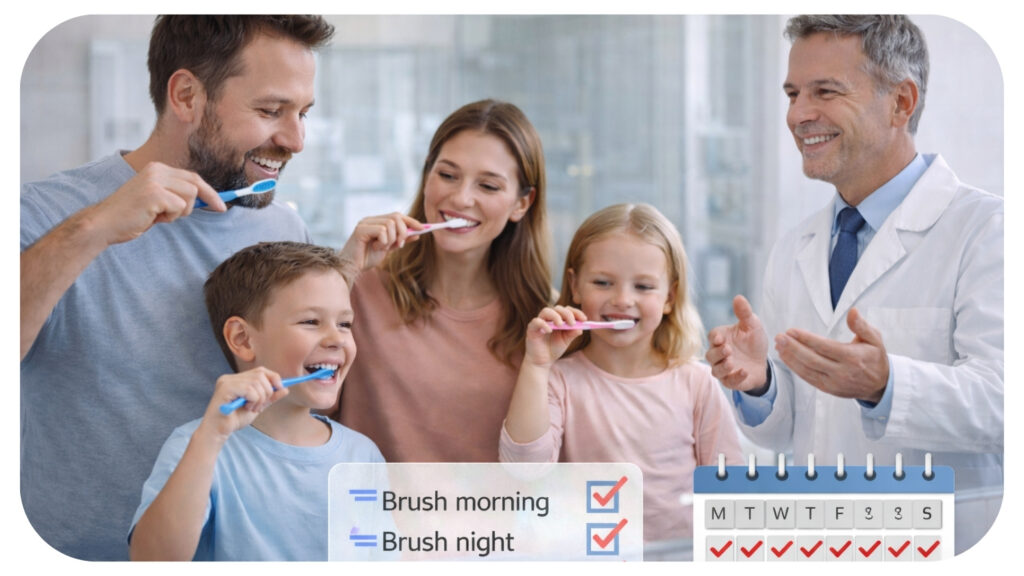
Healthy teeth start in your home. Your daily choices shape your mouth, your comfort, and your confidence. A trusted family dentist helps you build simple routines that feel natural, not forced. A dentist in Plainfield, Illinois can show you clear steps that fit your life. You learn what to do in the morning, what to do at night, and what to watch for in between. You also see how small habits protect your children and ease your own fears. Regular visits turn into coaching sessions. You get straight answers, honest feedback, and calm support. Then brushing and flossing become a normal part of your day. They stop feeling like a task. They start feeling like self-respect.
This blog explains how family dentistry guides you, backs you up, and keeps your home routine steady when stress, fatigue, or life tries to pull you away.
Why home routines often fade
You know brushing and flossing matter. You still skip them at times. Children resist. You feel tired. Life gets loud. Habits fade for three main reasons.
- You feel unsure about what really works.
- You feel rushed and worn out.
- You do not see quick results.
Fear of pain or cost can also slow you down. You might wait for a problem before you act. That delay leads to more serious damage and more stress. A family dentist steps into this cycle and helps you break it.
How a family dentist turns advice into action
You need more than a handout. You need clear, short steps that match your home life. A family dentist walks you through each step during visits. You practice together. You ask questions. You leave with a plan, not loose tips.
Visits often cover three simple parts.
- Show you how to brush and floss in real time.
- Point out risk spots in your mouth.
- Set a plan you can follow at home.
This turns your visit into training. You see what works for your teeth and your child. You gain control. You stop guessing.
Simple daily habits your dentist supports
The best routine stays short and steady. A family dentist helps you focus on a few actions that give strong results. You can use this pattern.
- Morning. Brush for two minutes with fluoride toothpaste. Rinse. Drink water.
- Evening. Brush again for two minutes. Floss once. Skip food after brushing.
- Daily choices. Limit sugary drinks. Choose water. Chew sugar-free gum if you can.
The dentist checks your progress at each visit. You talk about what works and what does not. You adjust together. You do not need to figure it out alone.
Support for children and teens
Children build habits through small, steady steps. A family dentist understands the fears and pushback that children show. The office setting, the words, and the pace all matter. You and the dentist form a team.
During visits the dentist can
- Show brushing on a model or on the child.
- Use short, clear words that children understand.
- Praise effort and point out one thing to improve.
Teens face new risks from sports drinks, soda, and snacks. They also gain more control over their time. The dentist can speak with them directly about stains, breath, and pain. Those issues feel real to teens and help them care about daily care.
What the science says about home care
Government and university experts agree on the power of daily habits. The Centers for Disease Control and Prevention explains how sugar and poor brushing raise the chance of cavities and gum disease. You can read more from the CDC here https://www.cdc.gov/.
The University of Illinois Chicago College of Dentistry also shares clear steps on brushing, flossing, and diet for children and adults. You can see their patient guides here https://dentistry.uic.edu/.
A family dentist uses this kind of research and turns it into plain language you can use each day.
Comparing home care alone and home care with family dentistry
The table below shows how steady visits with a family dentist support your routine over time.
| Topic | Home care without family dentist | Home care with family dentist |
|---|---|---|
| Knowledge of correct brushing and flossing | Based on guesswork or internet tips | Based on live training and updates at each visit |
| Children’s cooperation | Parents carry the full load and face pushback | Dentist backs you up and explains habits to children and teens |
| Detection of early problems | Often notice pain only after damage grows | Regular checks catch small issues before they hurt |
| Motivation to stay on track | Easy to stop when life gets hard | Visits act as checkpoints that renew your drive |
| Costs over time | Higher chance of emergency care and complex work | More focus on prevention and fewer sudden costs |
Turning visits into routines that last
Each visit gives you a chance to reset and strengthen your home routine. You can use this three-step method.
- Set one clear goal before the visit. For example, improve flossing or reduce soda.
- Ask the dentist to show you one new skill and one tool that helps.
- Agree on a short plan and write it down on paper or your phone.
Then post that plan on your bathroom mirror or fridge. Share it with your children. Treat it like a promise to your future self. When you return for your next visit, you can review how it went. The dentist can adjust the plan so you keep moving forward.
How to start today
You do not need a perfect past to start a strong routine now. You only need a clear next step. You can choose one action today.
- Schedule a family checkup.
- Replace worn toothbrushes for everyone in your home.
- Set a two-minute timer for brushing tonight.
A family dentist offers skill, calm, and structure. That support turns small daily actions into firm habits. Over time, those habits protect your teeth, your comfort, and your peace of mind.
Recommended: Why Preventive Dentistry Leads To Lower Long Term Costs

Recommended For You
Oxycodone Addiction: Symptoms and Treatment

Most Inside Editorial Team
MostInside is an independent publication focused on growth across lifestyle, business, finance, sports, and digital authority, prioritizing long term value and enduring credibility.