
Preventing Cavities: Tips From a Pediatric Dentist
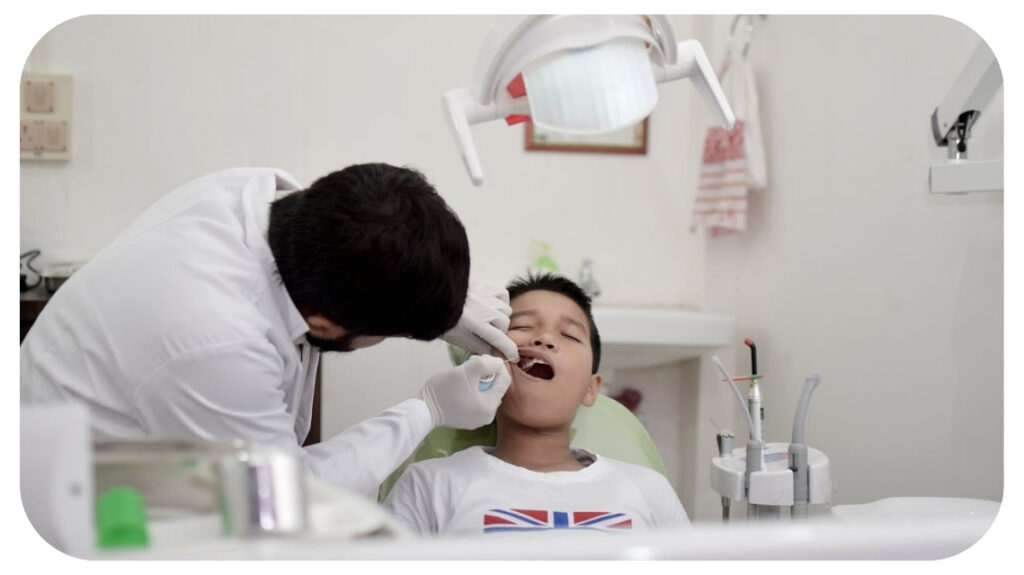
Healthy smiles remain healthy as clean surfaces prevent germs from settling, and careful daily steps keep the surfaces clean before sugar and bacteria can form holes known as cavities. Pediatric dentists observe how early habits determine the strength of teeth during school years. Thus, they encourage clear routines that can be adopted by any household without special equipment or costly products. Easy brushing, smart snacking, useful fluoride, regular visits, and consistent role-model behavior all save enamel, pain, and emergency care that disrupts study, play, and family budgets.
Clean Gently Two Times a Day
Toothbrush bristles are softest, and best sweep sticky film off enamel, when angled slightly toward the gum line, since that border traps food particles and germs that are keen to bore holes in it. Children who brush their teeth in small circles on all outer, inner, and biting surfaces allow the paste to foam and remove plaque, leaving nothing that bacteria can feed on at night. Parents who hold hands until they are steady enough to coordinate well cover all areas and prevent the rushed strokes that do not reach the grooves on back molars. Dentists recommend a pea-sized amount of fluoride paste to children who are old enough to spit, as too much paste swallowed every day may stain the forming adult teeth, but small measured doses harden the enamel without danger. A little rinse maintains the paste minerals on surfaces until the following meal. Routines in the morning and evening help to develop muscle memory, which makes brushing as simple as tying shoes.
Select Tooth-Friendly Snacks
Sweet beverages and sticky snacks nourish cavity germs all day, as sweet liquid gets between teeth and thick candy gets stuck deep in pits where brushes and saliva cannot reach. Fruit, vegetable sticks, cheese cubes, and plain nuts fill the stomach, but trigger fewer acid attacks, allowing enamel time to replace the minerals lost between chews. Whole grain crackers and unsweetened yogurt are energy-balancing foods that do not coat teeth with syrup. Snacks at regular intervals prevent the mouth from remaining slightly acidic throughout the day, as frequent snacking never allows enamel to recover. After each snack, a small cup of water will wash away some bits and restore the mouth’s moisture that is required to repair itself naturally. Special occasions are still special with some sweets, but it is more important to restrict frequency than to prohibit them, as bacteria love regular rations. Careful pantry selection establishes a situation in which the risk of cavities drops unobtrusively every week.
Wise Use of Added Fluoride
Most communities’ public water has safe quantities of fluoride, which binds with enamel crystals to make teeth stronger and smoother, protecting youngsters who drink tap water without cost. To avoid white streaks on growing teeth in places without fluoride, dentists recommend drops or varnish based on age and weight. Once-daily fluoride mouth rinse before bed covers regions brushes can’t reach, but children under six may consume too much liquid, so a specialist decides when to start. School fluoride programs provide supervised weekly swish sessions, which provide group protection that reduces the income-related cavity disparities.
Make Regular Dental Visits
Semiannual checkups with a trusted pediatric dentist enable the early discovery of the weak white spots which indicate future cavities, so that a simple varnish can be used to stop decay before drills are needed. Short chair visits involve mild cleaning, which removes the hardened tartar that cannot be cleaned at home, relieving the gums of the irritation that causes bleeding and enabling germs to move further. Annual radiographs show decay between close molar contacts and prove roots are growing properly within bone. Rapid application of sealants on newly erupted molars seals deep grooves where food lurks to cause trouble during the snacking seasons of teenagers. Whether visiting a pediatric dentist in Oceanside or elsewhere, regular appointments form a quiet defense that keeps small issues from becoming painful emergencies.
Model Calm Oral Habits
Adults who floss every night, drink water instead of soda, and schedule checks model dental hygiene for youngsters. Relaxed conversations about dental equipment and beautiful posters soothe new patients, and little gestures of thanks after successful visits create nice memories without sweets. Having brushes, paste, and floss in plain view of the sink sends the message of priority, and family brushing time is a fun countdown. Tales about bad tooth bugs causing cavities do not shame children, but they do teach cause and effect, making children feel in control of their teeth by cleaning them every day instead of being fearful. Families that appreciate teeth demonstrate it by practice, and children brought up in such a culture bring the practice into adulthood, safeguarding the future generations unconsciously.
Conclusion
Cavity prevention works by consistent brushing, intelligent snack scheduling, balanced fluoride, regular visits, and clear role modelling, all of which are like a total safety net around the smile of every child. All these measures do not involve expensive devices or complicated science but are based on a soft routine, conscious decisions, and basic advice of dental specialists. Houses which follow these hints save money in fillings, school time lost in pain, and confidence expressed in gleaming smiles in photographs, in lessons, and in play. The oral health of tomorrow is guaranteed by daily care today.

Recommended For You
Advantages & Disadvantages of Eating Pizza

Most Inside Editorial Team
MostInside is an independent publication focused on growth across lifestyle, business, finance, sports, and digital authority, prioritizing long term value and enduring credibility.