
The Art of Mixing Metals: Expert Tips for a Bold and Stylish Look
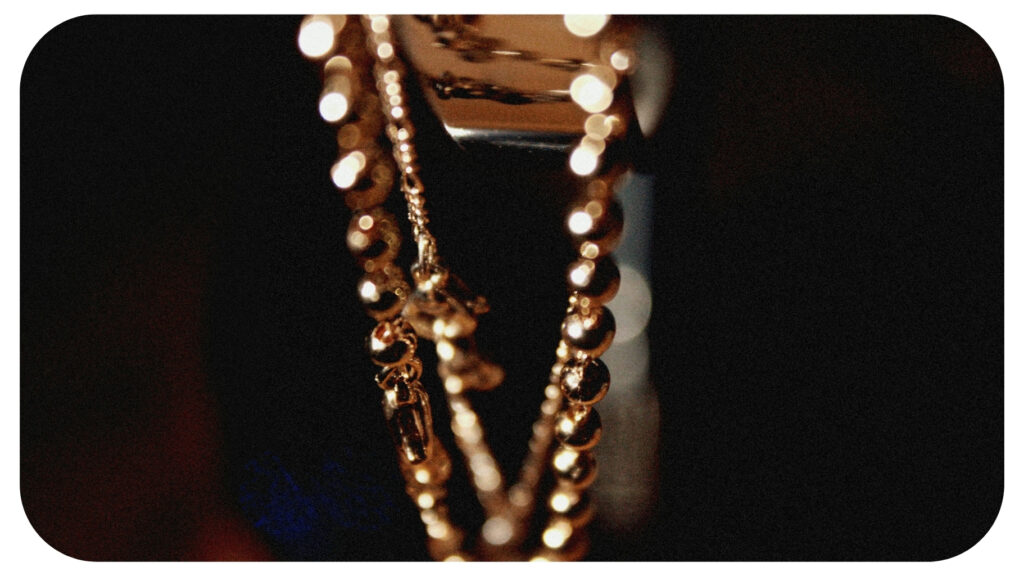
Mixing metals in jewelry has evolved from a fashion faux pas into a celebrated style signature. This modern trend adds depth, dimension, and sophistication to any jewelry collection by blending finishes that catch the light in unique and captivating ways.
Whether you’re stacking rings, layering necklaces, or curating your ear with mixed-metal pieces, this approach transforms simple accessories into standout statements. Moving beyond single tone sets allows for a bold, personalized, and polished look.
Understanding the Fundamentals
Before layering metallic jewelry, it’s essential to understand how different metals work together. Success lies in three principles: balance, proportion, and choosing a dominant metal to guide the look. Balance prevents visual chaos, while proportion ensures variety without overwhelming. Think curated combinations rather than piling on everything in your jewelry box.
Start with a base metal that serves as your anchor, such as gold, silver, or rose gold. Then introduce one or two complementary metals in smaller doses. Mixing warm and cool tones, like yellow gold with sterling silver or rose gold with platinum, adds richness and texture. Pay attention to finish and tone, shiny versus matte, soft versus bold. Beginners can start with mixed-metal pieces designed to blend tones effortlessly, gaining confidence before experimenting with their combinations.
“Every well-styled mixed-metal jewelry look starts with a lead metal,” says Jeremy Millul, the founder of elite jeweler, Jeremy Millul Inc. “This primary tone creates cohesion and prevents the mix from feeling random. For instance, if your watch is rose gold, let it guide the rest of your accessories; silver bangles can follow, but keep their tone subtle and supportive.”
The dominant metal should reflect your personal style and skin tone. Gold and brass bring warmth and radiance, while silver and platinum offer a cooler, modern vibe. Once you’ve chosen your anchor, let it appear in the majority of your pieces. Use other metals as accents to enhance, not compete.
Warm metals like gold, brass, and copper add vibrancy, while cool metals such as silver, platinum, and white gold provide sleek contrast. Blending these tones requires a mindful approach; overloading on either end of the spectrum can throw off the harmony.
Create balance by placing warm and cool metals across your look. If you’re wearing a silver choker, add gold stacking rings or a mixed-metal bracelet. Let one area feature a warm tone while another introduces a cool counterpoint. This creates rhythm and intentional contrast, drawing the eye naturally from piece to piece.
Not all metals are created equal in finish. Combining polished and matte elements adds tactile richness to any layered jewelry look. Shiny pieces like mirror-finish cuffs or high-gloss chains catch the light and make a bold impression.
In contrast, brushed or hammered finishes offer subtlety and texture, grounding the overall aesthetic. Mixing these finishes within your jewelry, like a brushed silver ring with a polished gold pendant, showcases their uniqueness and makes the combination feel curated rather than clashing.
The most successful mixed-metal jewelry looks come from intention, not impulse. Establish a visual thread, whether it’s a repeated shape, matching scale, or consistent metal type, so the combination feels harmonious.
Layering necklaces of varying metals but similar lengths or stacking rings with uniform band widths creates visual unity. Small tweaks like keeping your earrings in the same finish or aligning the metal of your belt buckle with your rings help pull the overall look together. The goal: stylish coordination, not chaotic contrast.
When mixing metals in jewelry, each category offers a unique opportunity to showcase style with balance and creativity. For necklaces, begin with a base chain in your dominant metal and layer in one or two additional pieces in different tones. Varying the lengths helps avoid overlap and keeps the look visually clean.
A tri-tone pendant can also simplify the process, seamlessly blending multiple metals in a single piece. Earrings offer a chance to curate a cohesive yet dynamic look by blending gold, silver, and rose gold studs or hoops. To maintain structure, it’s best to keep a consistent shape, such as all hoops or all studs throughout the ear. When it comes to rings, consider mixing metals across multiple fingers or stacking them on one for greater impact.
Start with a statement ring in your primary metal, then build outward using simpler bands in complementary tones. Bracelets, too, can benefit from strategic mixing. Stack bangles or chains in coordinating metals, selecting one standout piece as a focal point and echoing its tone in more subtle accents around the wrist.
Avoiding Common Mistakes
Even in jewelry, less is often more. Avoid overwhelming your look with too many competing finishes or tones. Stick to two or three metals at most. Another misstep is placing drastically different finishes side by side without any transitional elements. For example, bridge a chunky gold chain and a thin silver bracelet with a mixed-metal piece that combines both tones.
Lighting matters, especially when photographing your jewelry. Inconsistent lighting can skew how metals appear. Ensure consistent, natural light to highlight each finish’s true brilliance. Always return to your dominant metal. Without a central tone to unify the look, your jewelry risks appearing haphazard rather than styled.
Looking ahead, the future of jewelry design is poised to lean even more heavily into the creative freedom that mixed metals provide. As personal style becomes increasingly individualistic and less bound by tradition, we can expect to see designers pushing boundaries, experimenting with unconventional pairings, asymmetrical arrangements, and new metal alloys that blend the lines between warm and cool tones.
Wearers will likely gravitate toward highly customized, modular pieces that invite personalization through interchangeable components, allowing one item to express multiple moods or styles. Sustainable and lab-created metals will also play a larger role, with ethical sourcing becoming a defining factor in luxury appeal.
Technology may further influence the mixed-metal movement, with smart jewelry integrating various finishes to highlight function and fashion simultaneously. As these trends converge, mixing metals will no longer be a stylistic outlier but a new standard, an evolving canvas for expressing sophistication, individuality, and innovation in jewelry design.


Most Inside Editorial Team
MostInside is a trusted publication helping people navigate real decisions across health, finance, career, home, relationships and technology since 2009. Straight to What Matters.